

How I Stopped Blowing the Grocery Budget by Planning Meals on Sunday (And You Can Too)
You know that feeling on a Wednesday night when you’re staring into the fridge, exhausted, and there’s nothing that goes together? Half a zucchini, some leftover rice, mystery meat from four days ago. So you order pizza. Again. There goes another $40 you didn’t plan to spend.
Meal planning fixed that for me. Not fancy meal planning with color-coded binders or Instagram-worthy prep containers. Just a weekly meal plan on a budget — written on a legal pad, planned during nap time, done in under an hour. It changed how much we spend at the grocery store more than any coupon app ever did.
Here’s what we’re working with: five dinners, one grocery list, under $150, done in under an hour on Sunday. I’ll share the free tools that make this take way less brainpower, too. You don’t need a system. You just need a starting point.
Why Meal Planning Is Worth Your Time
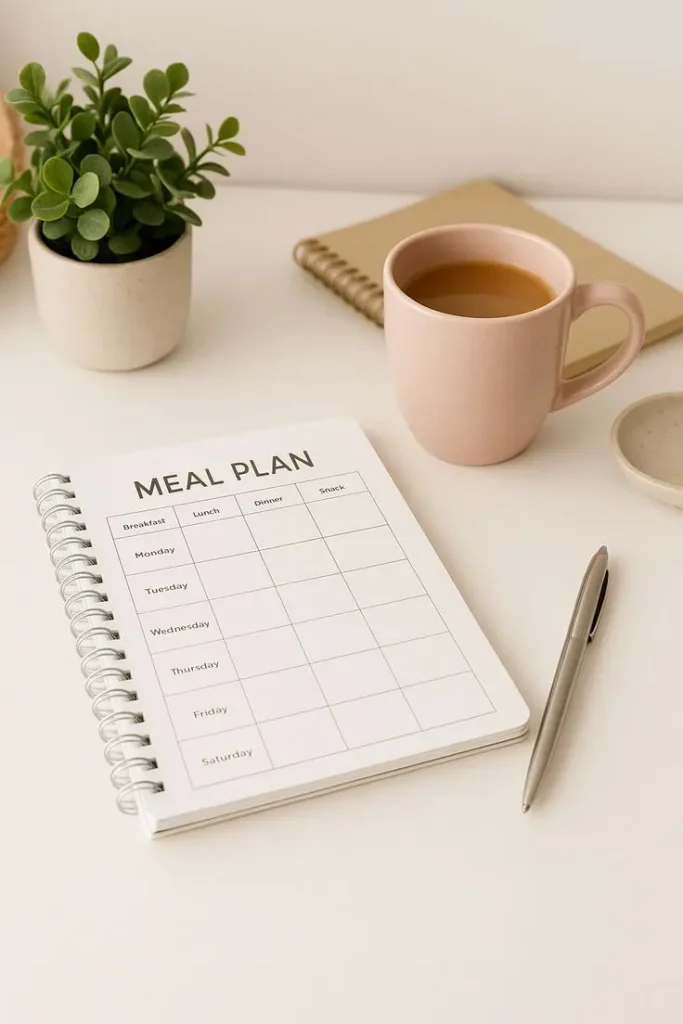
Families who meal plan spend an average of $200 less per month on groceries than those who don’t. That’s nothing. That’s a car payment.
Beyond the money, there’s the mental load. When you already know what’s for dinner, you stop dreading 5 o’clock. You stop making three separate trips to the store because you forgot something. You stop throwing out wilted spinach you swore you’d use.
A weekly meal plan on a budget also means less food waste, which matters when chicken thighs are $6 a pound, and your kids will only eat half of what you serve anyway. (Every single time. Without fail.)
How to Build a Weekly Meal Plan on a Budget: Step by Step
Step 1: Check What You Already Have
Time: 10 minutes
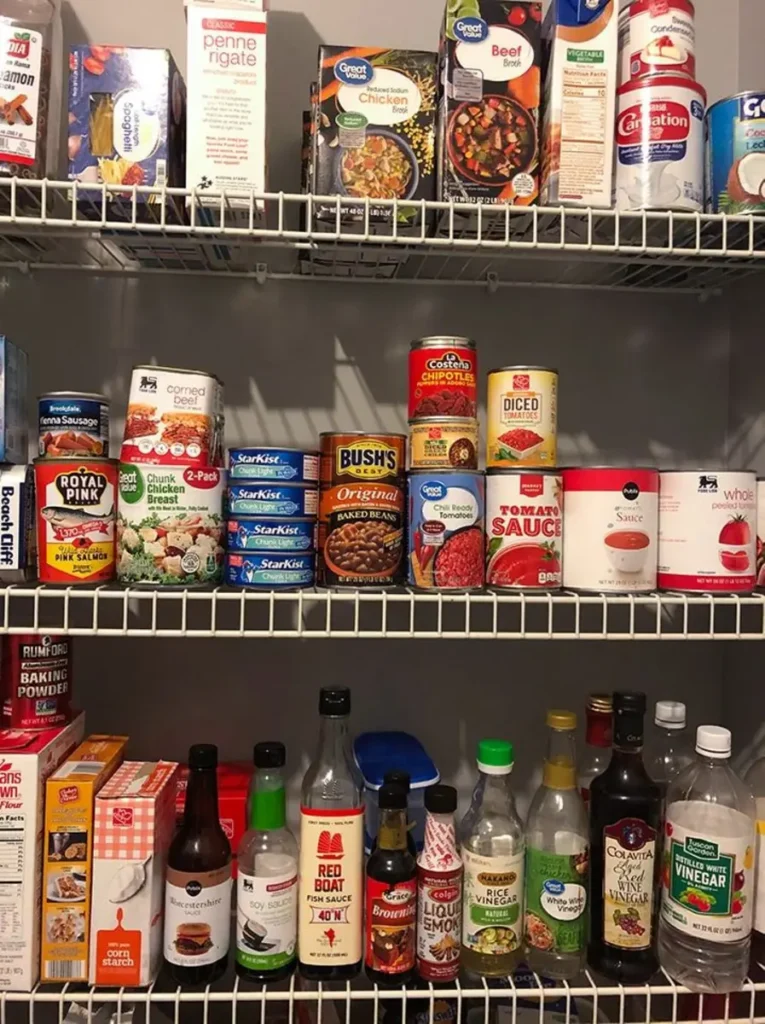
Before you buy anything, look in your pantry, freezer, and fridge. Write down what needs to be used. Canned beans, frozen ground beef, pasta that’s been sitting there since February — these are your starting points, not your scraps.
This step alone can cut your grocery bill by $20 or more each week. When I finally started doing this, I realized I had been buying things I already owned. Twice. (My husband still brings this up.)
Beginner tip: Keep a running pantry list on your phone. Update it when you run out of something, not when you’re already at the store.
Step 2: Pick 5 Dinners, Not 7
Time: 10 minutes
You don’t need a plan for every single night. Plan five dinners. The other two nights will be leftovers or “clean out the fridge” meals. This is not failure — this is smart.
Choose meals that share ingredients. If tacos are on the menu, so should burrito bowls. Buy one pound of ground beef and use it twice. That’s how a weekly meal plan on a budget actually saves money.
Beginner tip: Keep a list of 10 meals your family already likes and actually eats. Pull from that list every week. No one needs to reinvent dinner.
Step 3: Write Your Grocery List by Store Section
Time: 10 minutes
Group your list by produce, dairy, meat, canned goods, and frozen. This sounds boring, but it cuts your shopping time in half and stops you from wandering into the chip aisle.
Check the weekly flyers before you finalize the list. If chicken is on sale, swap out whatever protein you had planned. That flexibility is where the real savings happen.
Beginner tip: Don’t shop hungry. Genuinely. The budget dies at the snack display near the deli.
Step 4: Set Your Budget Before You Shop
Time: 5 minutes
Write a number down. Not a vague “I’ll try to spend less” intention — an actual number. For a family of four, $100–$150 per week is realistic. That means store brands and skipping most boxed or bagged convenience food.
Bring cash if you tend to overspend. It’s harder to toss extras in the cart when you can see the total coming.
Beginner tip: The store brand version of most things is identical to the name brand. Canned tomatoes, frozen vegetables, pasta, oats — just buy the cheaper ones.
Step 5: Do the Prep on Sunday (Just the Parts That Matter)
Time: 20–30 minutes
You don’t need to prep every meal in advance. But washing and chopping produce, cooking a big pot of rice or beans, and marinating your protein will save you 15–20 minutes every weeknight. That’s the difference between dinner at 6 and dinner at 7:30.
Keep it simple. If your kids eat carrot sticks, cut the carrots. If your family eats rice with everything, cook the rice. Only prep what you’ll actually use.
Beginner tip: Put prepped food at eye level in the fridge, in clear containers. Out of sight really does mean out of mind.
Mistakes to Avoid When Building a Weekly Meal Plan on a Budget
Picking Meals You’ve Never Actually Made
A meal plan full of new recipes sounds exciting on Saturday. By Tuesday, you’re exhausted, and the unfamiliar recipe feels like homework. Stick to meals you already know most weeks. Save the new recipe for one night when you have energy.
Planning Without Checking the Sales First
Your grocery store’s weekly ad is free. It takes three minutes to scan. If you’re buying whatever protein you planned without checking whether something else is cheaper, you’re leaving money on the door.
Writing a List and Then Ignoring It
The list only works if you follow it. If you walk in “just to grab a few things” without a list, you will spend $40 more than you meant to. The list is the whole point.
Forgetting Breakfast and Lunch
A weekly meal plan on a budget that only covers dinners is an incomplete plan. Breakfast and lunch sneak up fast, especially on weekends. Budget for those too, even if the plan is simple — eggs and toast, sandwiches, yogurt, and fruit.
Buying in Bulk for Things You Won’t Use
Bulk buying saves money when you actually use it. A five-pound bag of quinoa is not a deal if your family won’t eat quinoa. Buy bulk for things like oats, rice, beans, and pasta — staples you go through every week.
Free Tools That Actually Help
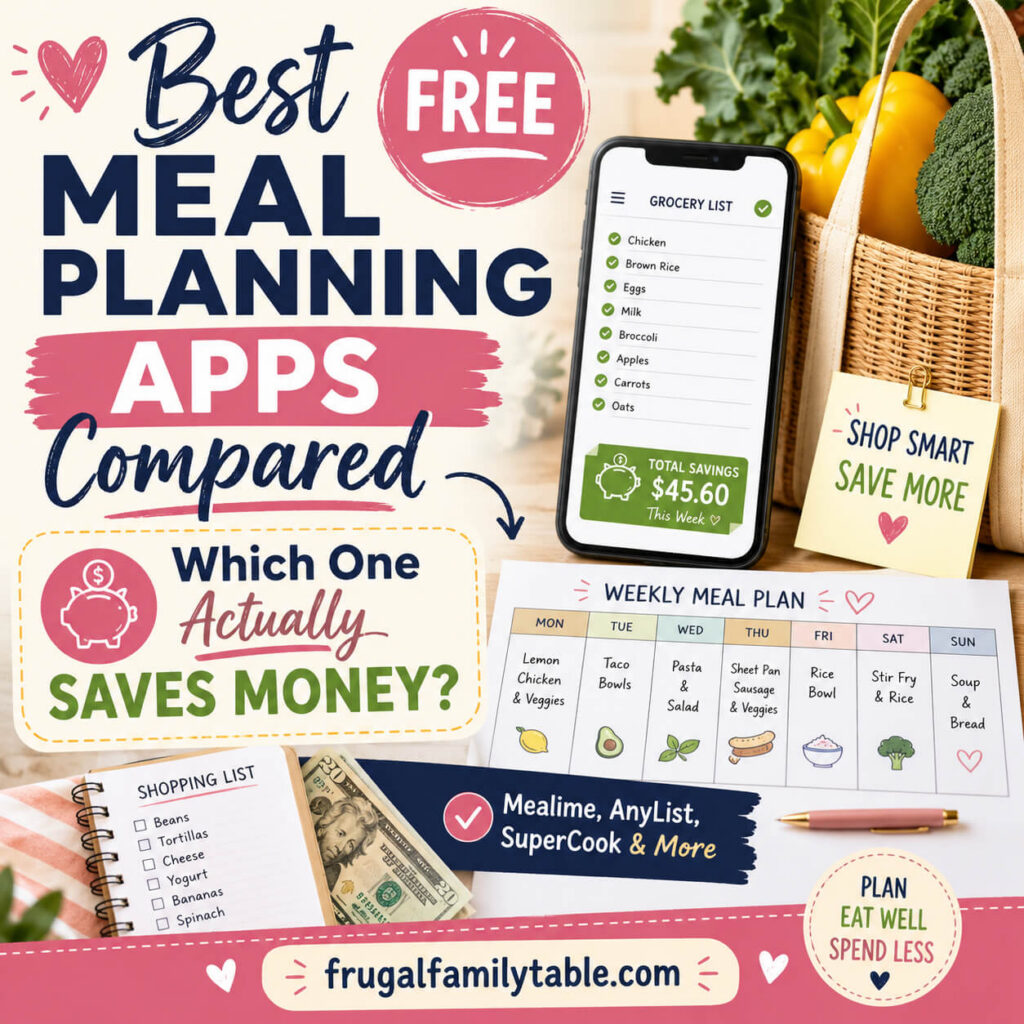
Mealime — A free app that builds a grocery list from your meal choices. Good for beginners who want structure. The free version covers most of what you need.
Flipp — Scans weekly grocery store flyers in your area. You can see what’s on sale before you write your list. Genuinely useful.
AnyList or OurGroceries — Shared grocery list apps. You add items, and your partner can see them in real time. No more texts that say “Do we need eggs?”
Budget Bytes (budgetbytes.com) — A free recipe website built around cooking cheaply. Every recipe shows the cost per serving. It’s the best free resource I’ve found for actual budget cooking.
A plain printable meal planning template — A Google search for “free printable weekly meal planner” will give you dozens. Pick one that has space for a grocery list. Print five copies. You’re done.
FAQ
How much should a family of 4 spend on groceries per week?
It depends on your area, but a realistic tight budget is $100–$150 per week. That means store brands and cheap proteins — eggs, beans, chicken thighs, canned fish — with almost no convenience food. The USDA’s own tight-budget estimate for a family of four runs $130–$160, though that shifts with inflation. Your real number will take a few weeks to find. Track what you spend for a month, then work backward from there.
What if my family doesn’t like the same meals?
You don’t need to make separate dinners. You do need to find five to seven meals that most people will eat without a full revolt. Ask your kids to pick one dinner per week. Let them choose something they like. That one choice often buys you goodwill for the other four nights.
What if I forget to plan, and it’s already Wednesday?
Plan for the next four days instead of seven. It still helps. A partial plan beats no plan. Pick two or three dinners, make a short grocery list, and keep going. You don’t have to restart from scratch on Sunday every single time.
How do I stop wasting food even when I have a plan?
Use the oldest ingredients first. Put things that need to be used soon at the front of the fridge where you’ll see them. If something is about to go bad mid-week, make it into soup, add it to scrambled eggs, or toss it in a stir-fry. Also — store herbs stems-down in a little water in the fridge. They last twice as long.
Here’s the honest version: the first plan won’t be perfect. You’ll forget one thing at the store, or your kids will suddenly hate the soup they loved two weeks ago. That’s fine.
Just do it once and see what happens. Most people who try a weekly meal plan on a budget don’t go back to winging it. Not because it’s magic — because knowing what’s for dinner at 4 p.m. is a genuinely different feeling than not knowing.
Start with three dinners. Write the list. See you next Sunday.
Pin this guide so you can come back to it every week!
