Pantry Staples for Frugal Cooking: Your Real-Life Guide to Cheap, Easy Family Meals
You open up the fridge. There’s half a block of cheese, one sad onion, and some remaining takeout from three days earlier. The kids are asking what’s for dinner, and your first impulse is to grab your phone and order pizza, once more.
I have actually existed many more times than I can count. And truthfully, that moment used to worry me out way more than it required to.
The thing is, most of the time, I wasn’t really out of food. I ran out of the best food. Once I began developing a solid collection of pantry staples for frugal cooking, those panicked dinner moments mostly disappeared.
Currently, when my fridge looks empty, I know I have actually still got dinner covered– because my pantry has my back.
This guide strolls you through exactly what to stock, how to construct it on whatever budget you’re collaborating with, and what real meals you can gather without a last-minute grocery store run.
No fancy stuff. No exotic components. Just functional, budget-friendly foods your family will actually consume.
👉 Save Money Without Eating Boring Meals
What “Pantry Staples for Frugal Cooking” Actually Means
Before I give you a shopping list, it helps to know what makes a pantry staple worth buying on a tight budget.
A good frugal pantry staple does all of this:
- It lasts a long time. Dry goods, canned foods, and shelf-stable items don’t go bad in a week.
- It costs very little per serving. A pound of dried lentils runs about $1.50 and makes a pot of soup that feeds six people. That’s a good deal.
- It works in a lot of different meals. Rice goes in soups, bowls, casseroles, fried rice, and side dishes. The more you can do with one ingredient, the further your money goes.
- It fills people up. Beans, pasta, oats, and potatoes are all filling without costing much.
- Your family will eat it. (This one matters more than anything else on the list.)
When you shop with those things in mind, it gets a lot easier to say no to stuff that sounds cheap but won’t actually get used.
The Best Pantry Staples for Frugal Cooking, Category by Category
You don’t need to buy all of this at once — keep reading for starter lists broken down by budget.
But this is the full picture of what a well-stocked frugal pantry looks like.
Grains and Pasta
The foundation of cheap home cooking.
These are filling, kid-friendly, and work in more meals than you’d expect.
- White or brown rice — stock up when it’s on sale; it lasts for years
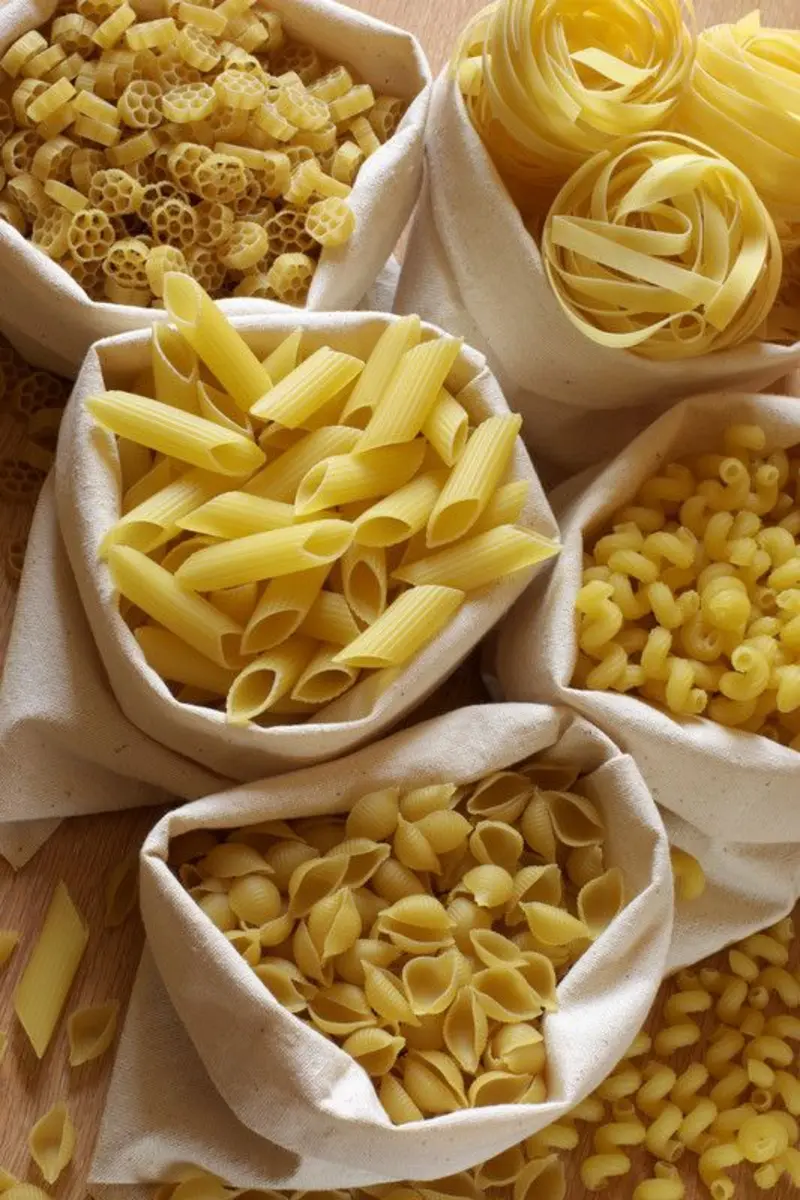
- Pasta (spaghetti, penne, rotini, whatever’s cheapest)
- Rolled oats — for oatmeal, overnight oats, and baked goods
- Cornmeal — for cornbread, polenta, or coating things before frying
- Ramen noodles — yes, they count; toss in frozen veggies and a cracked egg, and you’ve got a real meal
Look for store-brand versions of all of these.
The savings add up fast, and the quality is genuinely the same.
Beans, Lentils, and Budget-Friendly Protein
Dried beans are the most underrated ingredient in budget cooking.
A two-pound bag of pinto beans costs about $2 at most grocery stores and can stretch across three or four meals.
- Dried black beans, pinto beans, kidney beans
- Canned beans — for nights when you forgot to soak, and that’s most nights, honestly
- Dried lentils — no soaking needed, done in under 30 minutes
- Canned chickpeas — great in soups, curries, and roasted as a snack
- Canned tuna — cheap, protein-packed, and works in pasta, salads, and casseroles
- Canned chicken — not glamorous, but it saves dinner when you’re in a pinch
- Peanut butter — a protein source, a sauce base, and a kid-approved spread all in one
👉 Cheap Family Dinners Under $5
Canned and Jarred Goods
Canned goods do a lot of heavy lifting in a frugal kitchen.
They’re cheap, they last for years, and they turn simple ingredients into something that actually tastes like a meal.
- Canned diced tomatoes — goes into pasta sauce, chili, soups, rice dishes, you name it
- Canned crushed tomatoes and tomato paste
- Jarred pasta sauce — sometimes it’s faster and cheaper than making your own, and that’s fine
- Canned corn and green beans — useful when fresh produce is out of budget
- Broth (chicken, beef, or vegetable) — buy the cartons or make your own with bouillon cubes
- Bouillon cubes or paste — much cheaper than buying individual cartons of broth
Stock up when these go on sale.
They genuinely last for years, and you’ll use every single one.
Baking Basics
You don’t have to bake to need these.
They show up in pancakes, quick breads, homemade coatings, and any soup or sauce that needs to thicken up.
- All-purpose flour
- Sugar and brown sugar
- Baking powder and baking soda
- Cornstarch — great for thickening soups and sauces without flour
- Yeast — if you want to try homemade bread (it’s cheaper than you think, and honestly not that hard)
- Powdered milk — lasts longer than liquid milk and works great in baking and oatmeal
Oils, Vinegars, and Condiments
These are the things that make cheap food taste like actual food.
- Vegetable oil or canola oil — your everyday cooking oil
- Olive oil — for finishing dishes and dressings; the store brand works perfectly fine
- Soy sauce — adds depth and saltiness to rice, noodles, stir-fry, basically anything
- White vinegar and apple cider vinegar
- Hot sauce — a few drops wake up plain beans and rice immediately
- Mustard — works as a condiment, a dressing base, and a simple marinade
- Worcestershire sauce — a little goes a long way in soups and anything with ground meat
Herbs and Spices That Make Cheap Meals Taste Good
Plain beans taste like nothing.
Beans with cumin, garlic, and smoked paprika taste like something you’d order at a restaurant.
Spices are honestly one of the best investments in budget cooking.
Start with these basics:
- Garlic powder and onion powder
- Cumin
- Smoked paprika
- Chili powder
- Italian seasoning (or buy oregano, basil, and thyme separately)
- Salt and black pepper
- Red pepper flakes
- Cinnamon — for oatmeal and baked goods
Buy spices at dollar stores or in the international foods aisle. They’re often a fraction of the price of the name-brand spice rack versions, and they’re the same thing.
Long-Lasting Produce and Freezer Helpers
Not everything in your pantry has to come in a can or a bag.
- Onions and garlic — last week’s are on the counter, and they go in almost everything
- Potatoes — filling, cheap, and work in more meals than you probably realize
- Carrots — last a long time in the fridge and are great in soups, sides, or just as a snack
- Cabbage — one head lasts over a week and can stretch into surprisingly many meals
- Frozen vegetables — peas, corn, broccoli, mixed veggies; grab whatever’s on sale
- Frozen fruit — great for oatmeal, smoothies, and baked goods when fresh is too pricey
How to Build a Frugal Pantry Without Spending a Fortune All at Once
The biggest mistake people make is thinking they need to go out and spend $200 to stock a “proper” pantry.
You really don’t. This is something you build a little at a time.
Here’s what actually works:
Start where you are. Before your next shopping trip, take five minutes to look at what you already have. What needs to be used up? What are you almost out of? That quick inventory helps you shop with a plan instead of just grabbing things and hoping for the best.
Pick meals your family already likes and figure out what staples those meals need. If your kids eat pasta twice a week, having pasta, canned tomatoes, and pasta sauce on hand is already a solid foundation.
Add two to five new staples each trip. You don’t need to overhaul your entire pantry in one week. Grab a bag of dried lentils here, a few extra cans of beans there. It adds up faster than you’d think.
Always buy store brand. For pantry staples especially — canned goods, pasta, rice, flour, oats, broth — there’s rarely a meaningful quality difference. The savings over the course of a year are real.
Compare the unit price, not the package price. A bigger bag of rice might look expensive at first glance until you notice the price per ounce is half what the smaller bag costs. That little shelf tag is worth checking.
Shop sales on shelf-stable foods. When pasta goes on sale for $0.79 a box, grab five or six. When canned tomatoes are buy-two-get-one, load up. These are things you’ll always use, so buying extra when they’re cheap just makes sense.
Starter Pantry Lists by Budget
Here are realistic starting points depending on how much you have to work with right now.
$15 Starter Pantry for Frugal Cooking
This gets you the bare minimum to put together simple, filling meals for a few days.
- 1 lb dried rice or pasta ($1.50–$2)
- 2 cans of beans ($1.50–$2 total)
- 1 can of diced tomatoes ($1)
- 1 jar of pasta sauce ($2)
- 1 small container of oats ($2)
- 1 small bag of lentils ($1.50)
- Garlic powder, salt, and pepper (if not already on hand)
- 1 can of tuna ($1)
- Peanut butter — small jar ($2.50)
What you can make: pasta with tomato sauce, bean soup, lentil soup, oatmeal, tuna pasta, rice and beans, peanut butter toast for breakfast
$30 Starter Pantry for Frugal Cooking
- 2–3 lbs of rice
- 1 lb pasta
- 2 cans of diced tomatoes
- 1 can of tomato paste
- 3–4 cans of various beans
- Dried lentils
- 1 bag of frozen vegetables
- 2 cans of tuna
- Onions and garlic
- Vegetable oil
- Bouillon cubes or a small carton of broth
- Oats
- Flour
- Baking powder
- Salt, pepper, garlic powder, cumin, chili powder
What you can make: everything from the $15 list, plus bean chili, lentil soup with vegetables, rice pilaf, pancakes, fried rice, bean burritos, tomato rice soup
$50–$60 Starter Pantry for Frugal Cooking
At this level, you’ve got enough variety to feed your family something different every night without repeating yourself.
Add to the $30 list:
- More canned goods (chickpeas, corn, green beans)
- Soy sauce, hot sauce, mustard
- A few more spices (smoked paprika, Italian seasoning, red pepper flakes)
- Cornstarch
- Brown sugar
- Potatoes and carrots
- Frozen fruit
- Canned chicken or additional protein
What you can make: chickpea curry, peanut noodles, baked potatoes with chili, vegetable soup, breakfast-for-dinner pancakes, lentil tacos, pasta and beans, potato soup
Cheap Meals You Can Make from Pantry Staples
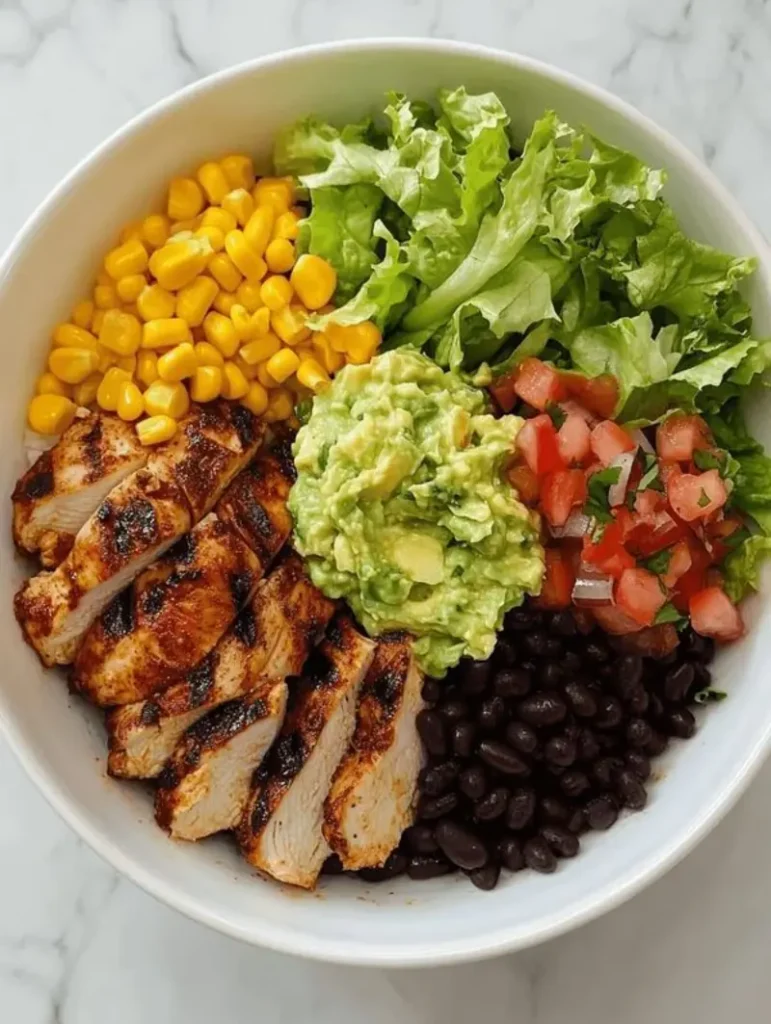
Here are meals that come together from pantry staples with little or no grocery shopping required.
Rice and Bean Meals
Rice and beans have a reputation for being boring, but that’s usually a seasoning problem, not a food problem.
Get your spices right, and these meals are genuinely good.
- Classic rice and beans — cook with cumin, garlic, and a can of diced tomatoes
- Bean burrito bowls — rice, black beans, canned corn, hot sauce, shredded cheese
- Red beans and rice — add smoked paprika and a little Worcestershire sauce
- Tomato rice soup — rice, canned tomatoes, broth, garlic powder, Italian seasoning
This one saved me on a Tuesday night when I had almost nothing left in the pantry and four hungry people waiting.
A big pot of red beans and rice with a pan of cornbread, and everyone cleaned their plates.
Pasta Meals
Pasta is the most kid-friendly section of this whole guide.
Yes, even my picky 8-year-old clears his plate when dinner is pasta — every single time.
- Pasta with jarred marinara — keep it simple; nobody’s complaining
- Tuna pasta — canned tuna, pasta, olive oil, garlic, a squeeze of lemon if you have it
- Pasta and beans — pasta and white beans simmered in tomato broth; it’s a classic Italian combo that works great with pantry staples
- Peanut noodles — peanut butter, soy sauce, a splash of vinegar, and hot sauce, tossed over any noodle
Soups, Chilis, and Stews
Great for cold nights, and these all stretch incredibly far for the price.
- Lentil soup — dried lentils, canned tomatoes, onion, garlic, cumin; you can make a full pot for under $2
- Bean chili — canned or dried beans, canned tomatoes, chili powder, cumin; serve with cornbread
- Chickpea curry — canned chickpeas, canned tomatoes, onion, garlic, and a spoonful of curry powder over rice
- Potato and vegetable soup — potatoes, carrots, onion, broth, and whatever frozen vegetables you have on hand
Breakfast-for-Dinner Meals
When the pantry is running low, breakfast food is your best friend.
It’s cheap, fast, and most kids are thrilled about it.
- Oatmeal — dress it up with peanut butter, a little brown sugar, or thawed frozen fruit
- Pancakes — flour, baking powder, egg, milk, oil; that really is all you need
- Scrambled eggs and toast — not glamorous, but filling and cheap
- Egg fried rice — leftover rice, eggs, soy sauce, frozen peas; one of the best budget meals out there
Emergency Meals for “Nothing to Eat” Nights
We all have those nights.
Here’s what to make when it feels like there’s genuinely nothing in the house.
- Upgraded ramen — cook a packet of ramen, toss in frozen vegetables and a cracked egg; way more filling than plain ramen
- Baked potatoes with beans — microwave a potato, pile on canned beans, and hot sauce
- Pasta with butter, garlic, and Parmesan — if you have these four things, you have dinner
- Peanut butter oatmeal — sounds weird, but a warm bowl with peanut butter and brown sugar is filling, and kids are usually into it
How to Store Your Pantry Staples So Nothing Goes to Waste
I’ll be honest — I wasted a lot of food in my early pantry-building days because I had no system.
Stuff would get buried in the back, and I’d forget it existed until it was way past its prime.
Here’s what actually helps.
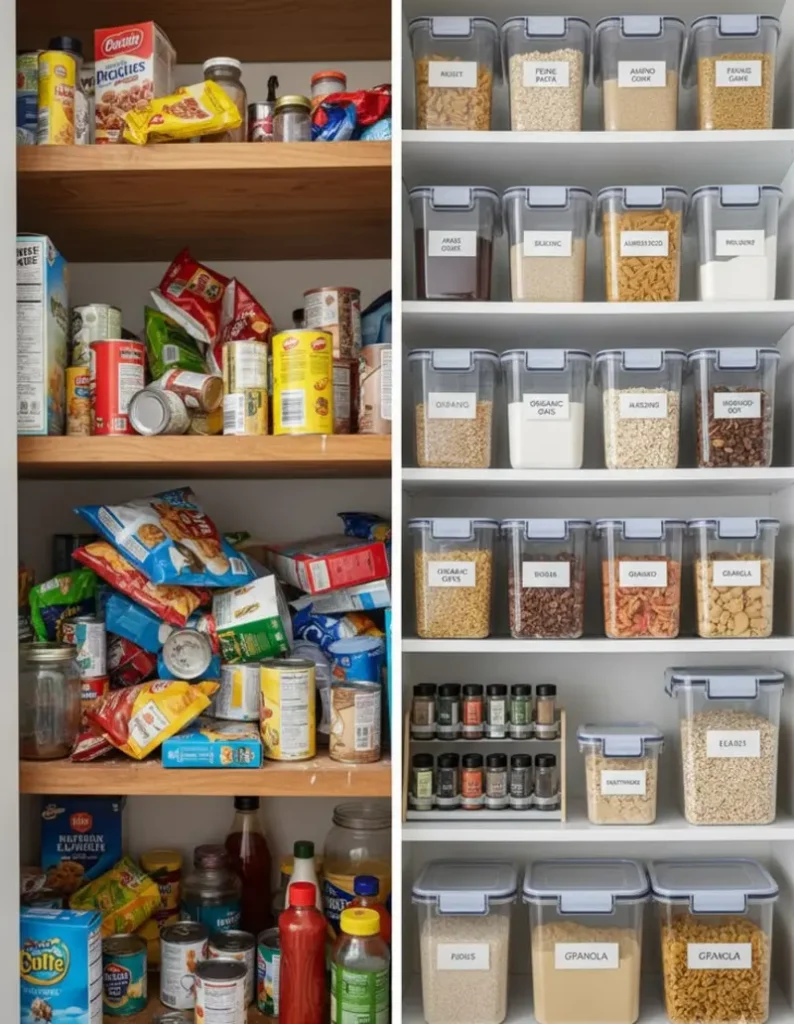
Dry goods like flour, oats, cornmeal, and dried beans do best in airtight containers. Once you open the original bag, zip it shut or transfer it to a bin. It keeps things fresher and helps you see at a glance what you’re running low on.
Canned goods last for years past the “best by” date in most cases. Just store them somewhere cool and dry, away from the stove — heat isn’t great for them over time.
Oils and vinegars should stay out of direct sunlight. They don’t need refrigeration, but heat and light can make oil go rancid faster than you’d expect.
Spices lose their punch after a while. If your cumin smells like basically nothing when you open it, that’s your sign to replace it.
Rotate your stock. When you bring new cans home, put them in the back and move older cans to the front. It sounds obvious, but it makes a real difference in actually using things before they get forgotten.
A sticky note on the pantry door with a quick inventory — or even just a note in your phone — is enough to keep track.
Nothing fancy required.
Mistakes That’ll Quietly Drain Your Pantry Budget
Most frugal pantry mistakes aren’t dramatic. They’re just small habits that add up to wasted food and wasted money over time.
Here’s what to watch for.
Buying too much of one thing. If your family doesn’t love lentils, a ten-pound bag of them isn’t a good deal — it’s just clutter that’ll eventually get tossed.
Skipping the spices. Plain beans over plain rice get old fast. A $1 container of cumin and some garlic powder will do more for your pantry meals than almost anything else you could buy.
Buying bulk without a use for it. A huge bag of something is only cheap if you’ll actually finish it. Twenty pounds of flour when you bake once a year isn’t frugal — it’s just a big bag taking up shelf space until it goes stale.
Forgetting to rotate. The pantry is not a storage unit. If you keep adding new stuff without cooking through the old stuff first, things will quietly expire back there, and you’ll never notice until it’s too late.
Stocking ingredients you don’t know how to cook. If you buy dried chickpeas but have no idea what to do with them, they’ll sit there for two years. Only buy what you have at least one meal planned for.
FAQs
What are the most essential pantry staples for frugal cooking? Start with rice, dried or canned beans, pasta, canned tomatoes, oats, and peanut butter. Add onions, garlic, and a handful of basic spices, and you’ve got the foundation for dozens of different meals.
How do I start stocking a pantry when I have almost no money to spend? Start with $10–$15 and pick four or five ingredients that work together. A bag of rice, two cans of beans, a can of diced tomatoes, and a jar of pasta sauce get you further than you’d think. Add two or three more items to each shopping trip and build from there.
Are dried beans really better than canned for frugal cooking? Dried beans are cheaper per serving — sometimes by 50% or more. But canned beans are totally fine and save a lot of time. Honestly, keeping both is the move. Use dried beans for big batches of soup or chili when you’ve planned, and use canned beans for weeknights when you didn’t.
What can I make when I only have pantry staples? More than you’d think. Bean soup, pasta with tomato sauce, lentil curry, rice and beans, oatmeal, pancakes, egg fried rice, baked potatoes, peanut noodles, and chili are all pantry-only meals. The key is having a few good spices and some kind of fat — oil or butter — to make things taste like actual food.
How long do pantry staples actually last? Properly stored, dry goods like rice, pasta, oats, and flour last one to two years. Canned goods are typically safe well past their printed date — usually three to five years. Dried beans can last indefinitely, though older beans may just take a little longer to cook. Spices won’t make you sick if they’re old, but they do lose their punch after about a year.
What’s the most common mistake people make when building a frugal pantry? Buying ingredients they don’t know how to use. It’s the reason so many pantries have mystery items that just sit there. Only buy what you have an actual meal in mind for — even if it’s as simple as “I’ll throw this in soup.”
You’ve Got This — For Real
Here’s the thing nobody tells you about frugal pantry cooking: you don’t have to be a great cook to do it well.
You just need to know a handful of simple meals and have the right stuff on hand when it’s time to make them.
You don’t need a perfect pantry. You need a useful one — stocked with foods your family actually eats, in amounts that won’t go to waste, at prices that don’t blow your grocery budget for the week.
Start small. Pick three or four staples from this list on your next shopping trip. Try one new pantry meal this week. And give yourself some grace — this isn’t about cooking fancy food or impressing anyone.
It’s about feeding your family well without the stress, and feeling a little more prepared when those “nothing to eat” moments hit.
Because they will hit. And now you’ll know exactly what to make.