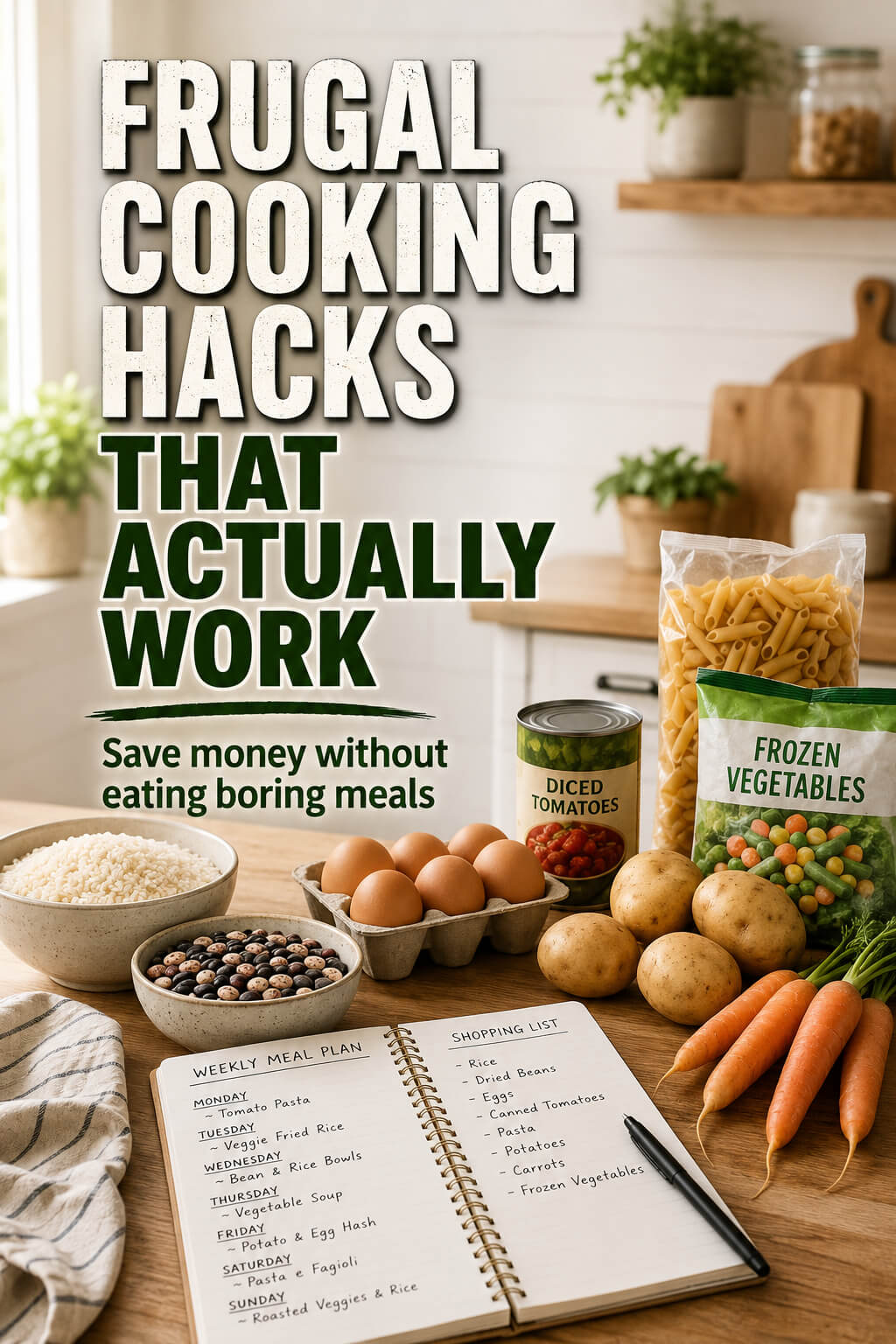
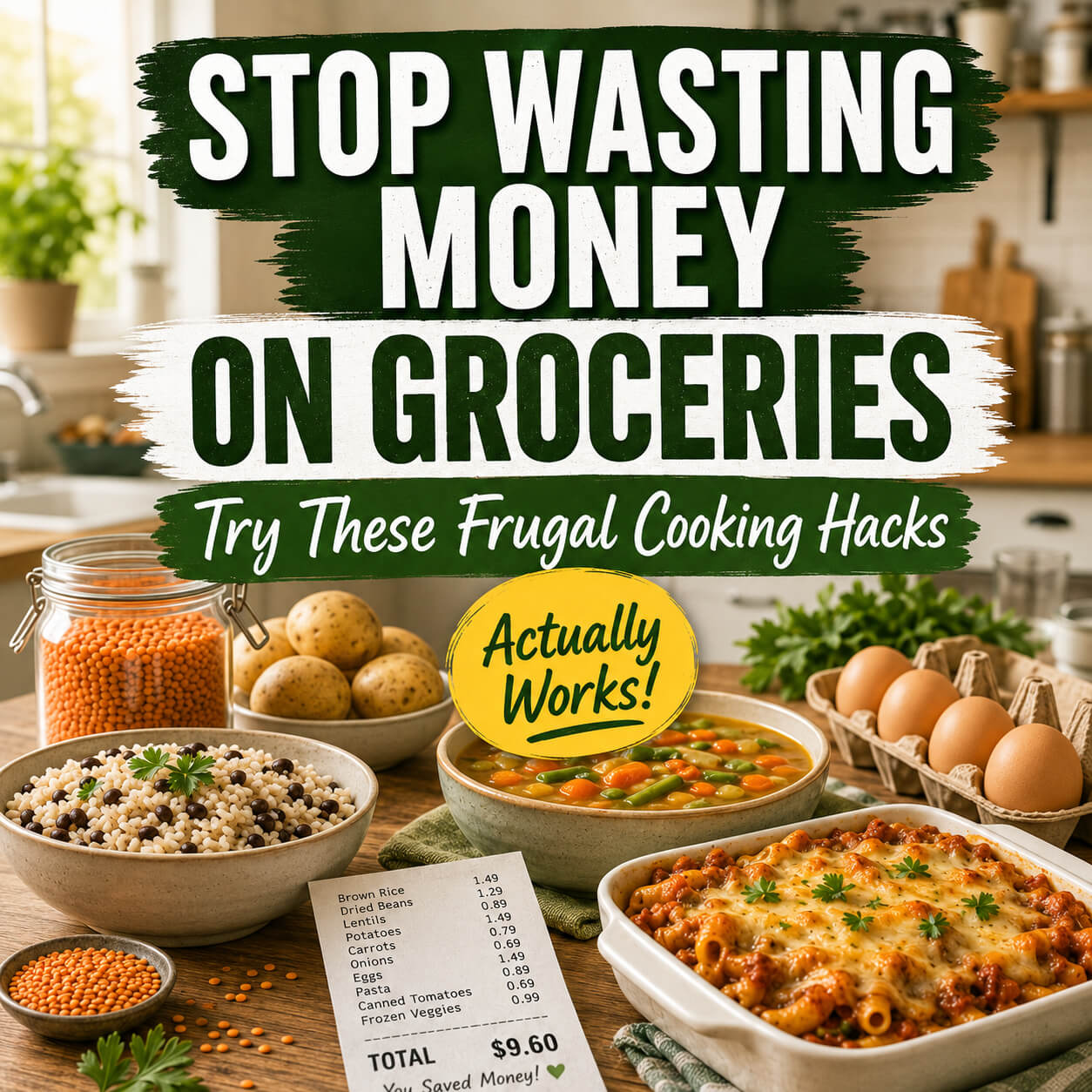
Frugal Cooking Hacks That Actually Work: Save Money Without Eating Boring Meals
Grocery rates have climbed up continuously, and a great deal of individuals are silently recalculating what they can pay for to consume each week.
The net contains tips– some truly useful, the majority of just sound.
What complies with economize cooking hacks that in fact function: strategies that save real money, cut food waste, and still leave area for dishes you wish to consume.
No extreme deprival needed.
What Makes Frugal Cooking Hacks Actually Work?
The majority of penny-wise food preparation advice fails the same way: it functions when, in a really particular circumstance, and then you forget it.
A hack that in fact, functions does a couple of things constantly. It conserves cash consistently, not simply on a lucky buying trip. It reduces waste as opposed to shifting it somewhere else.
It fits into an actual timetable– which implies it can’t call for 2 hours of prep on a Tuesday evening. And it does not ask you to acquire a special appliance or adhere to a 40-step dish.
The best thrifty food preparation routines are boring in the most effective way. They become automated. You quit thinking of them as “hacks” and begin thinking of them as just exactly how you cook.
That’s the objective– constructing a kitchen area routine that silently conserves cash without making you feel like you’re cutting edges.
Frugal Cooking Hack #1: Shop Your Kitchen Before the Grocery Store
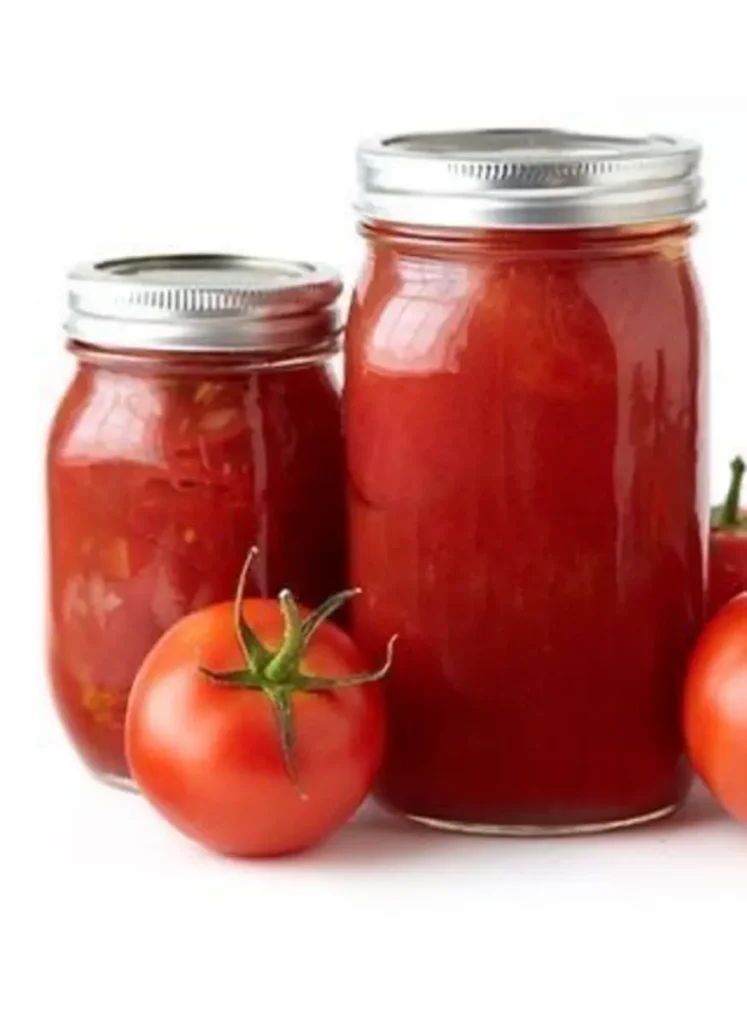
Before writing a grocery list, spend five minutes looking at what you already have.
Check the fridge for anything that needs to be used in the next two or three days. Open the freezer and take stock of what’s buried in there.
Look through the pantry for canned goods, grains, pasta, and dried beans that have been sitting unused.
This habit alone can cut your grocery bill noticeably because you stop buying duplicates and start building meals around what’s already there. A can of chickpeas, half a bag of rice, and some wilting spinach can become a solid dinner if you know what you’re working with before you shop.
Pantry-first meals don’t have to be complicated:
- Canned tomatoes + pasta + garlic = a real dinner
- Canned tuna + cooked rice + soy sauce + frozen vegetables = a quick fried rice
- Dried lentils + canned tomatoes + onion + spices = a lentil soup that feeds several people
The goal isn’t to avoid the grocery store. It’s to go in with a clear picture of what you actually need, so you’re not buying things you already have while other food goes bad at home.
Frugal Cooking Hack #2: Meal Plan Around Flexible Meals, Not Complicated Recipes
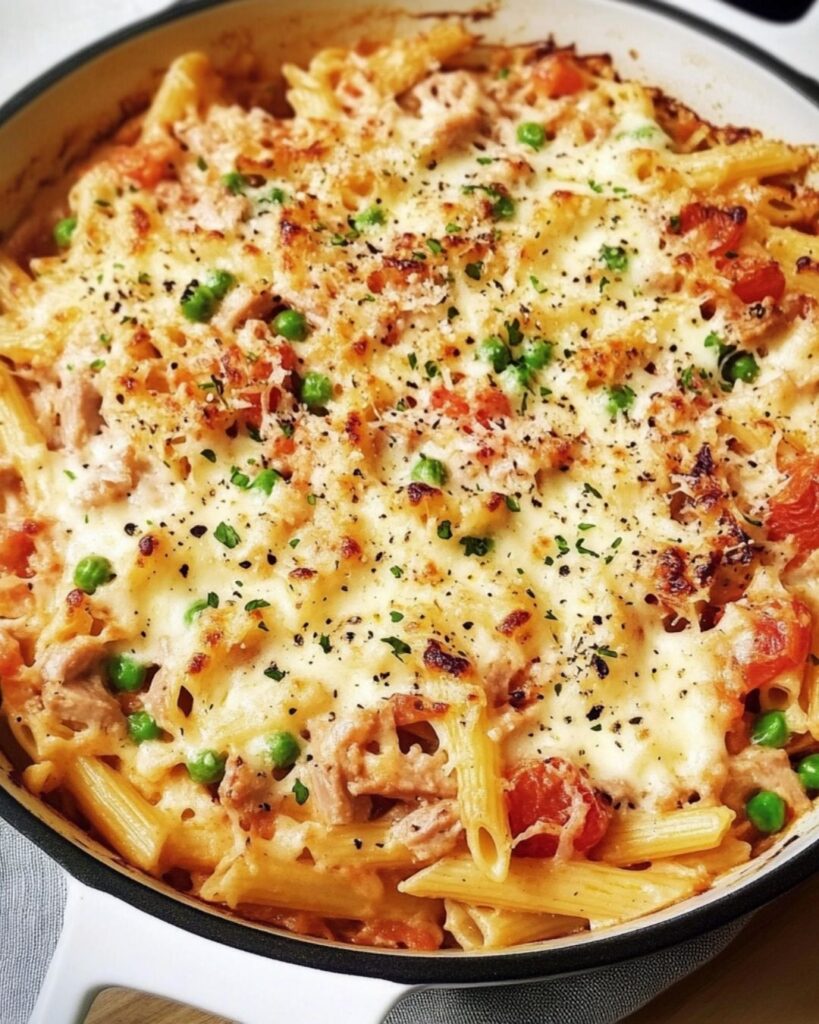
Planning seven different dinners for seven nights sounds organized, but it usually leads to waste.
Recipes call for specific ingredients, and if life gets busy and you skip a meal, those ingredients go bad.
A better approach: plan two or three flexible meal formats and shop for ingredients that work across all of them.
Flexible meal formulas that stretch ingredients:
- Soup – works with almost any vegetable, protein, or grain
- Stir-fry – uses whatever vegetables are in the fridge, plus rice or noodles
- Pasta bake – absorbs leftovers, sauces, and random vegetables well
- Grain bowl – rice, farro, or barley as the base, topped with whatever is available
- Frittata – eggs plus almost any cooked vegetable or leftover protein
- Tacos – beans, meat, roasted vegetables, or any combination
- Beans and rice – a reliable base that works with dozens of flavor profiles
When you plan this way, a bag of onions, a container of garlic, a few cans of tomatoes, and some dried beans can anchor the whole week.
You’re not locked into a specific dish on a specific night — and that’s the whole point.
Frugal Cooking Hack #3: Build Meals Around Cheap, Filling Staples
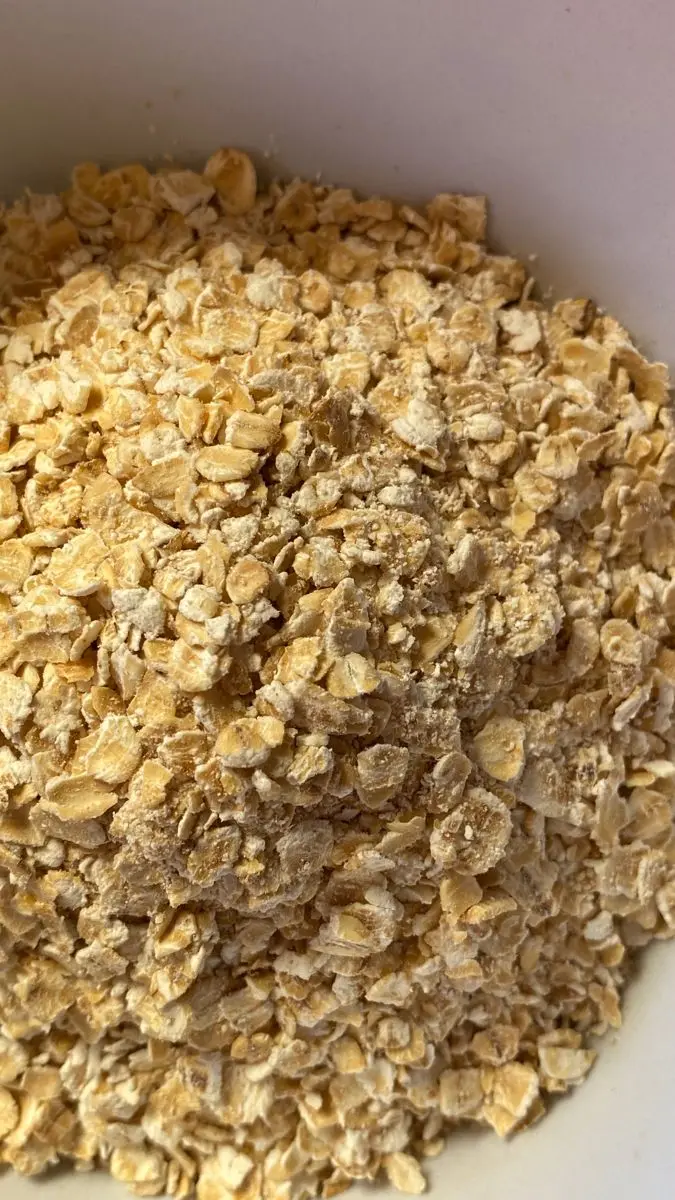
Some ingredients are genuinely cheap and genuinely filling.
Building meals around them — using sauces, spices, and toppings to keep things interesting — is the most reliable frugal cooking move there is.
Cheap pantry staples worth keeping on hand:
- Rice – endlessly versatile, filling, inexpensive per serving
- Oats – good for breakfast, baked goods, and thickening soups
- Pasta – fast, cheap, and works with dozens of sauces
- Potatoes – one of the most filling foods per dollar spent
- Dried beans and lentils – high in protein and fiber, very cheap in bulk
- Eggs – fast, protein-rich, and useful in almost every meal type
- Frozen vegetables – comparable nutrition to fresh, no waste, often cheaper
- Canned tomatoes – form the base of countless sauces, soups, and stews
- Cabbage – underrated, extremely cheap, keeps well, and works in slaws, soups, and stir-fries
- Carrots – same deal; cheap, long shelf life, useful in almost anything
- Canned tuna – an affordable protein that works in pasta, rice dishes, and sandwiches
What makes these staples feel different from meal to meal is not the ingredient itself — it’s what you put with it.
Rice with soy sauce and sesame oil tastes different from rice with tomatoes and cumin. Lentils with curry spices taste completely different from lentils with lemon and parsley.
Keeping a well-stocked spice rack is one of the cheapest investments in making budget meals feel varied.
Frugal Cooking Hack #4: Stretch Meat Without Making Meals Feel Cheap
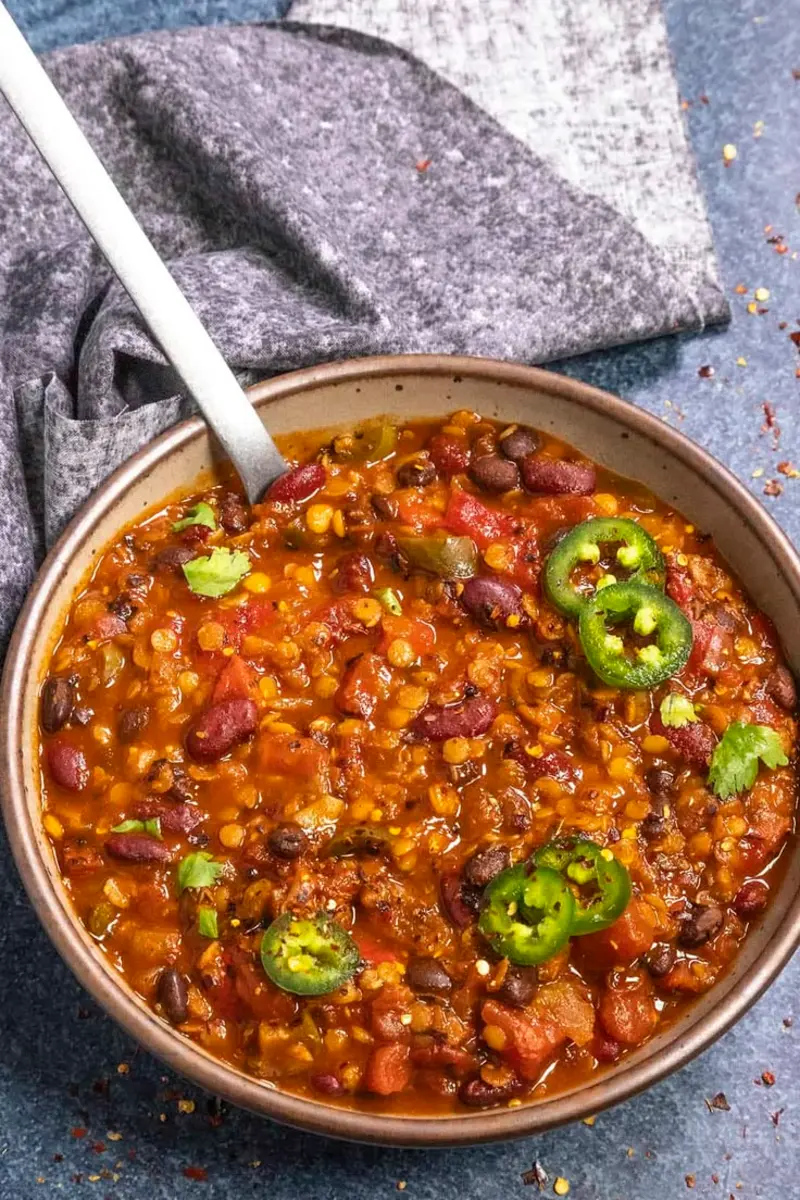
Meat is often the most expensive item on the grocery receipt.
The solution isn’t to stop eating it — it’s to use less per meal and treat it more like a seasoning than the centerpiece.
Practical ways to stretch meat:
- Lentil-beef chili – use half the ground beef you normally would and replace the rest with lentils. The texture and flavor hold up well.
- Chicken rice soup – one or two chicken thighs can flavor a large pot of soup that feeds four people
- Ground meat with cabbage – half a pound of ground pork or beef stir-fried with a whole head of shredded cabbage stretches into multiple servings
- Tacos with beans – fill half the taco with seasoned beans and use less meat per portion without sacrificing satisfaction
- Pasta sauce with vegetables – dice carrots, celery, and zucchini finely and cook them into the sauce with a small amount of ground meat; most people don’t notice the ratio shift
This approach also helps with nutrition.
More vegetables and legumes per meal, less saturated fat, and similar protein levels. The food doesn’t feel “cheap” when the seasoning and preparation are solid.
Frugal Cooking Hack #5: Batch Cook the Right Foods and Freeze the Extras
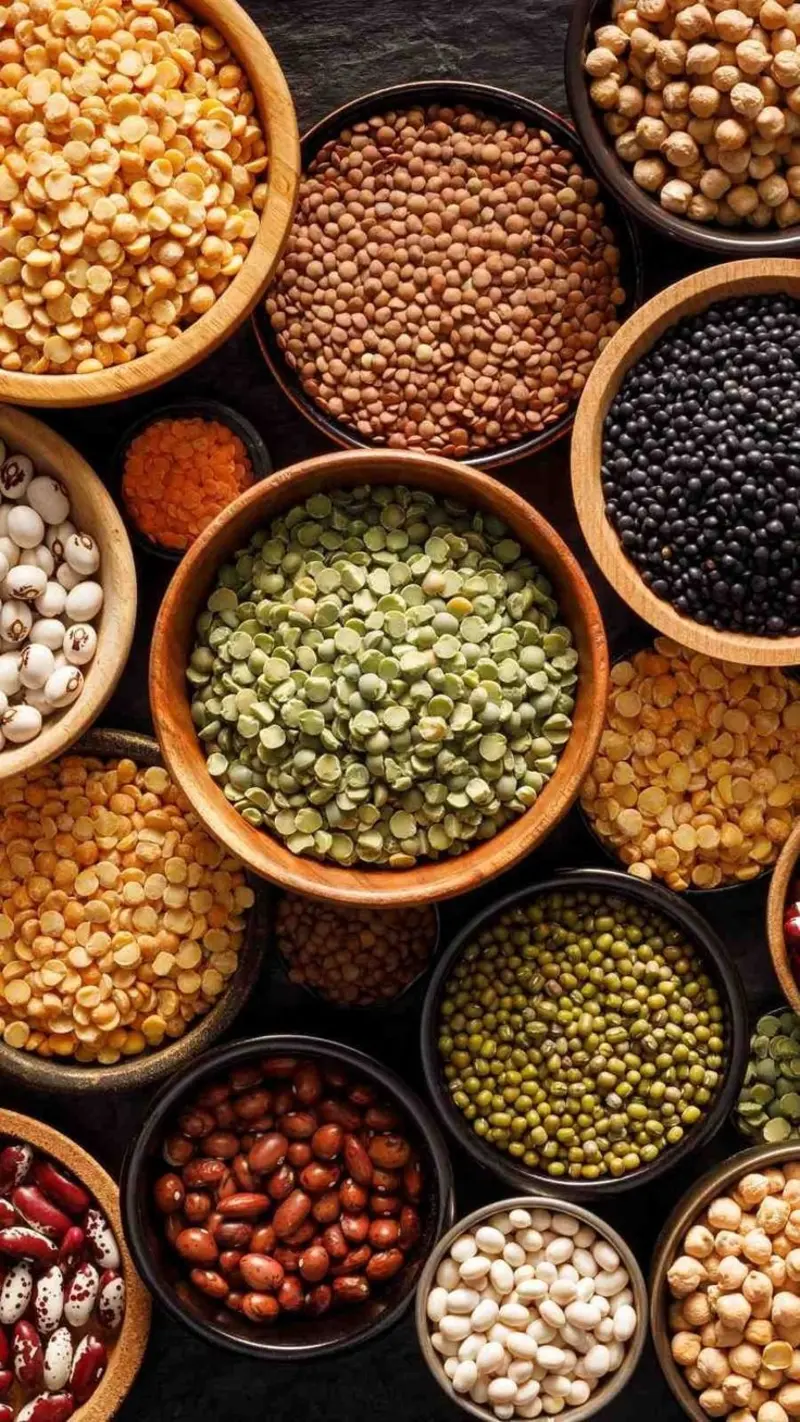
Batch cooking doesn’t have to mean spending a full Sunday in the kitchen.
The practical version is simpler: when you’re already cooking, make more than you need and freeze the rest before it gets boring.
Foods that batch cook well:
- Dried beans (cook a full pot, freeze in two-cup portions)
- Rice (cook a big batch, refrigerate for the week, or freeze portions)
- Soups and chili (double the recipe, freeze half)
- Pasta sauce (make a large batch, freeze in jar-sized portions)
- Shredded chicken (cook several thighs at once, shred and refrigerate or freeze)
- Breakfast burritos (assemble a dozen, wrap individually, freeze)
- Muffins and quick breads (freeze extras for later)
- Casseroles (freeze half before baking or after)
The key is labeling everything with the contents and date. Unlabeled containers in the freezer get ignored, and ignored food eventually gets thrown away.
A piece of masking tape and a marker take ten seconds and make the difference between a useful freezer and a wasteful one.
Freeze meals before leftover fatigue sets in — not after three days of eating the same thing. If you freeze on day two, it feels like a new meal when you pull it out later.
Frugal Cooking Hack #6: Turn Leftovers Into New Meals
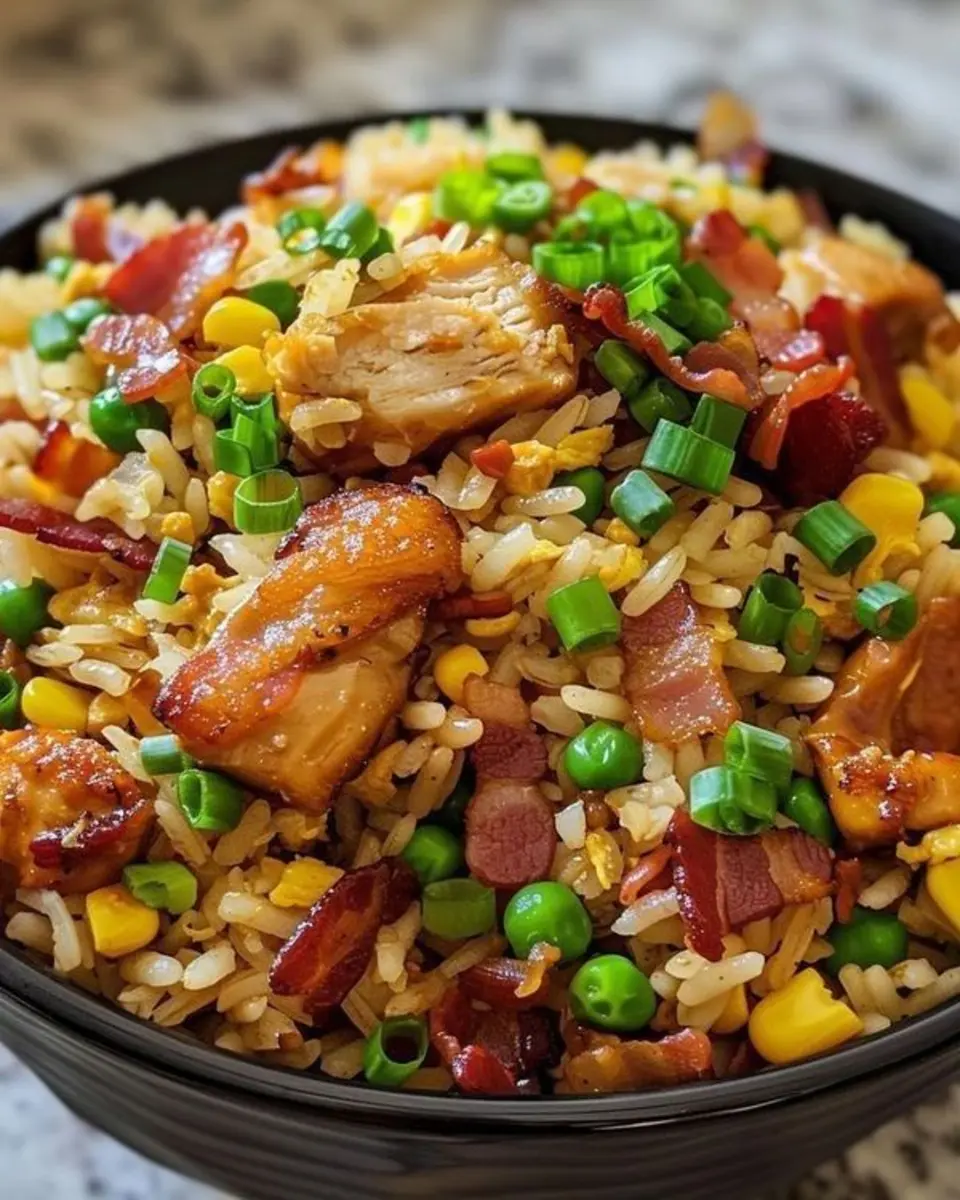
Leftovers don’t have to be boring repeats.
The trick is transforming them into something that feels different rather than reheating the same plate.
Practical leftover makeovers:
- Leftover rice → fried rice with a couple of eggs, soy sauce, frozen peas, and any vegetables in the fridge
- Roasted vegetables → chop and fold into a frittata or scrambled eggs
- Cooked chicken → shred and add to soup, quesadillas, or a rice bowl with a different sauce
- Stale bread → cube and toast for croutons, or blend into breadcrumbs for coating or topping baked dishes
- Leftover pasta → toss with beaten eggs and cheese in a skillet for a crispy pasta cake (basically a frittata), or layer in a baking dish with sauce for a pasta bake
- Cooked beans → mash and spread in a wrap with whatever toppings are on hand
- Extra vegetables → simmer with broth, onion, and garlic for a quick soup; or stir-fry with rice or noodles
The thing that makes this easier: think of leftovers as ingredients, not finished meals. A bowl of cooked lentils is an ingredient.
A half-eaten stir-fry is an ingredient. Once you see them that way, you stop dreading them.
For more details on using up what you have, the EPA guide to preventing food waste at home covers practical strategies for households of all sizes.
Frugal Cooking Hack #7: Reduce Food Waste With Better Storage
Bad food storage is one of the biggest invisible drains on a grocery budget.
Food spoils faster than it should, gets forgotten in the back of the fridge, or gets buried under newer groceries.
Food storage tips that actually reduce waste:
- Use clear containers in the fridge so leftovers are visible and don’t get pushed to the back
- Set up an “eat me first” section — a specific shelf or bin for anything that needs to be used within the next two days
- Store produce properly: some things need the fridge, some don’t. Tomatoes, potatoes, onions, and garlic should stay at room temperature. Leafy greens, cut vegetables, and herbs last longer in the fridge, often wrapped in a slightly damp paper towel.
- Freeze food before it spoils — a banana that’s going soft, almost stale bread, meat that won’t be used before its sell-by date
- Label leftovers with the date when you store them
On food safety: leftovers are generally safe in the refrigerator for three to four days. If something has been in there longer than that, when in doubt, throw it out.
For clear guidance on safe storage times, the USDA leftover food safety guidelines are specific and easy to follow.
Frugal Cooking Hack #8: Cook From Scratch Selectively
Cooking from scratch can save money, but it’s not always worth it.
Making your own bread from scratch every week is a commitment.
Making your own salad dressing takes two minutes and costs almost nothing compared to the bottled version.
Things genuinely worth making from scratch:
- Salad dressing (olive oil, vinegar, mustard, garlic, salt — done)
- Broth from vegetable scraps or chicken carcasses (free, and better than most cartons)
- Pizza dough (cheap ingredients, freezes well, takes about ten minutes of hands-on time)
- Pancake mix (mix up a large batch of the dry ingredients, store it, and use it like a boxed mix)
- Granola (much cheaper than store-bought and easy to customize)
- Hummus (a can of chickpeas, some tahini, lemon, and garlic — done in five minutes)
- Cooked beans from dried (takes time but costs a fraction of canned)
Things that are probably not worth making from scratch if you’re busy: pasta, complex pastry, most condiments.
The time investment doesn’t always match the savings. Pick the ones where the effort actually matches the savings for your life.
Frugal Cooking Hack #9: Use One-Pot and One-Pan Meals
One-pot meals save money in a way that’s easy to overlook: they make cooking so easy that you actually do it instead of ordering takeout.
When there’s less cleanup involved, the barrier to cooking at home drops.
That’s where the real savings are — not in the cost of ingredients, but in the number of meals you actually cook.
Easy one-pot and one-pan formats:
- Soups and stews (everything goes in one pot, simmers together)
- Casseroles (assemble, bake, done)
- Sheet pan dinners (protein and vegetables on one pan, roasted together)
- Skillet meals (ground meat, vegetables, sauce, all in one pan)
- Pasta bakes (cook pasta, mix with sauce and cheese, bake once)
- Rice dishes (rice, broth, vegetables, and protein all cooked together)
Less cleanup also means less resentment about cooking.
That part matters more than most frugal cooking guides admit.
Frugal Cooking Hack #10: Shop Smarter for Ingredients That Stretch
Buying cheap isn’t the same as shopping smart. A few strategies make grocery budgets go further without sacrificing quality:
Unit pricing: The bigger package isn’t always cheaper per ounce. Check the unit price (usually listed on the shelf tag) before assuming bulk is the better deal.
Store brands: For staples like canned tomatoes, dried pasta, flour, oats, frozen vegetables, and beans, store-brand products are often identical in quality to name brands. The markup on name brands is mostly packaging and marketing.
Markdowns: Most grocery stores discount meat and produce that’s approaching its sell-by date. Meat can go straight into the freezer. Produce that’s a day or two from its prime is fine for soups and stir-fries.
Frozen produce: Frozen vegetables are picked and frozen at peak ripeness. Nutritionally, they’re comparable to fresh — and often cheaper and more convenient. There’s no waste from items going bad before you use them.
Seasonal produce: In-season vegetables cost less because there’s more supply. Learning what’s in season in your region is a small habit that adds up over time.
Bulk buying, but only for things you’ll actually use: Buying five pounds of flour makes sense if you bake regularly. Buying five pounds of an unusual spice you’ve never used before is just expensive storage.
For more guidance on eating well for less, USDA MyPlate healthy eating on a budget tips lays out practical advice organized by food group.
Frugal Cooking Hacks That Don’t Actually Work
Some popular frugal cooking advice isn’t worth your time:
Buying gadgets to save money. An instant pot, a dehydrator, and a vacuum sealer will only save money if you use them constantly. Most people don’t. Buy equipment when you know you’ll use it, not because it might come in handy someday.
Buying bulk perishables without a plan. A ten-pound bag of apples is a great deal until half of them go soft before you can eat them. Bulk buying only works when you have a clear plan for the food.
Overcomplicated couponing. Clipping coupons for brands you wouldn’t normally buy, at stores that aren’t convenient, for products you don’t actually need — this costs more in time and impulse purchases than it saves. A smaller, well-planned grocery list beats couponing almost every time.
Chasing viral food hacks. If a hack went viral on social media, it’s probably because it looks impressive, not because it works reliably. Most viral cooking hacks aren’t repeatable as regular habits.
Buying cheap tools that break quickly. A five-dollar pan that warps after two months costs more over time than a decent pan bought once.
7-Day Starter Plan for Frugal Cooking Hacks
You don’t have to do everything at once. Here’s a simple week to get started:
- Day 1: Do a full kitchen inventory — fridge, freezer, pantry. Write down what’s there.
- Day 2: Plan three flexible meals based on what you already have. Write a grocery list only for what you actually need.
- Day 3: Batch cook one staple — a pot of rice, a batch of beans, or a simple soup.
- Day 4: Use leftovers from the night before and transform them into something different.
- Day 5: Freeze one meal or one batch of ingredients before they get old.
- Day 6: Make one simple thing from scratch — salad dressing, broth, or a pantry sauce.
- Day 7: Review the week. What saved money? What would you repeat? Adjust from there.
FAQs About Frugal Cooking Hacks
1. What are the best frugal cooking hacks that actually work? The most effective ones are: shopping your kitchen before buying groceries, building meals around cheap staples like beans, rice, eggs, and frozen vegetables, batch cooking and freezing extras, transforming leftovers into new meals, and reducing food waste through better storage. These aren’t flashy, but they work every week, not just once.
2. How can I save money on groceries without coupons? Plan meals before shopping, use unit pricing to compare value, buy store-brand staples, buy produce in season, choose frozen vegetables over fresh when the price difference is significant, and reduce food waste so you’re not throwing money away. A well-planned grocery list consistently beats coupons.
3. What is the cheapest meal to cook? Beans and rice is probably the cheapest filling meal you can make. Lentil soup is right there with it. Egg-based meals — scrambled eggs with toast, fried rice, a simple frittata — are also very low-cost. All of them can be made interesting with garlic, spices, and basic condiments.
4. Is cooking from scratch always cheaper? No. Some things — like salad dressing, broth, and basic sauces — are significantly cheaper to make at home. Others, like pasta or complex pastry, may not save enough to justify the time. The answer depends on what your time is worth and how often you’d actually make it.
5. How do I make leftovers taste good again? Change the format. Leftover rice becomes fried rice. Leftover roasted vegetables become the filling for a frittata or a wrap. Leftover chicken goes into soup or a grain bowl with a different sauce. The key is treating leftovers as ingredients rather than finished dishes that need to be reheated.
6. What foods should I always keep for frugal cooking? Keep a core set of cheap pantry staples on hand: dried beans or lentils, rice or pasta, canned tomatoes, eggs, frozen vegetables, onions, garlic, and a basic set of spices (cumin, paprika, chili powder, oregano, salt, pepper). With those, you can make a meal from almost nothing.
7. How do I start frugal cooking if I am a beginner? Start with one change, not ten. The easiest starting point is to check your fridge and pantry before going grocery shopping each week. Once that becomes a habit, add meal planning. Then try batch cooking one staple per week. Build slowly. Frugal cooking is a set of habits, not something you overhaul all at once.
Conclusion
Frugal cooking isn’t about eating less or enjoying food less. It’s about using food more thoughtfully — buying what you’ll actually use, cooking what you already have, and wasting as little as possible along the way.
The frugal cooking hacks that actually work aren’t complicated or extreme. They’re small, repeatable habits that quietly save money every week.
Pick one hack from this list and try it this week. Just one. Frugal cooking builds one habit at a time, and that’s exactly how it sticks.