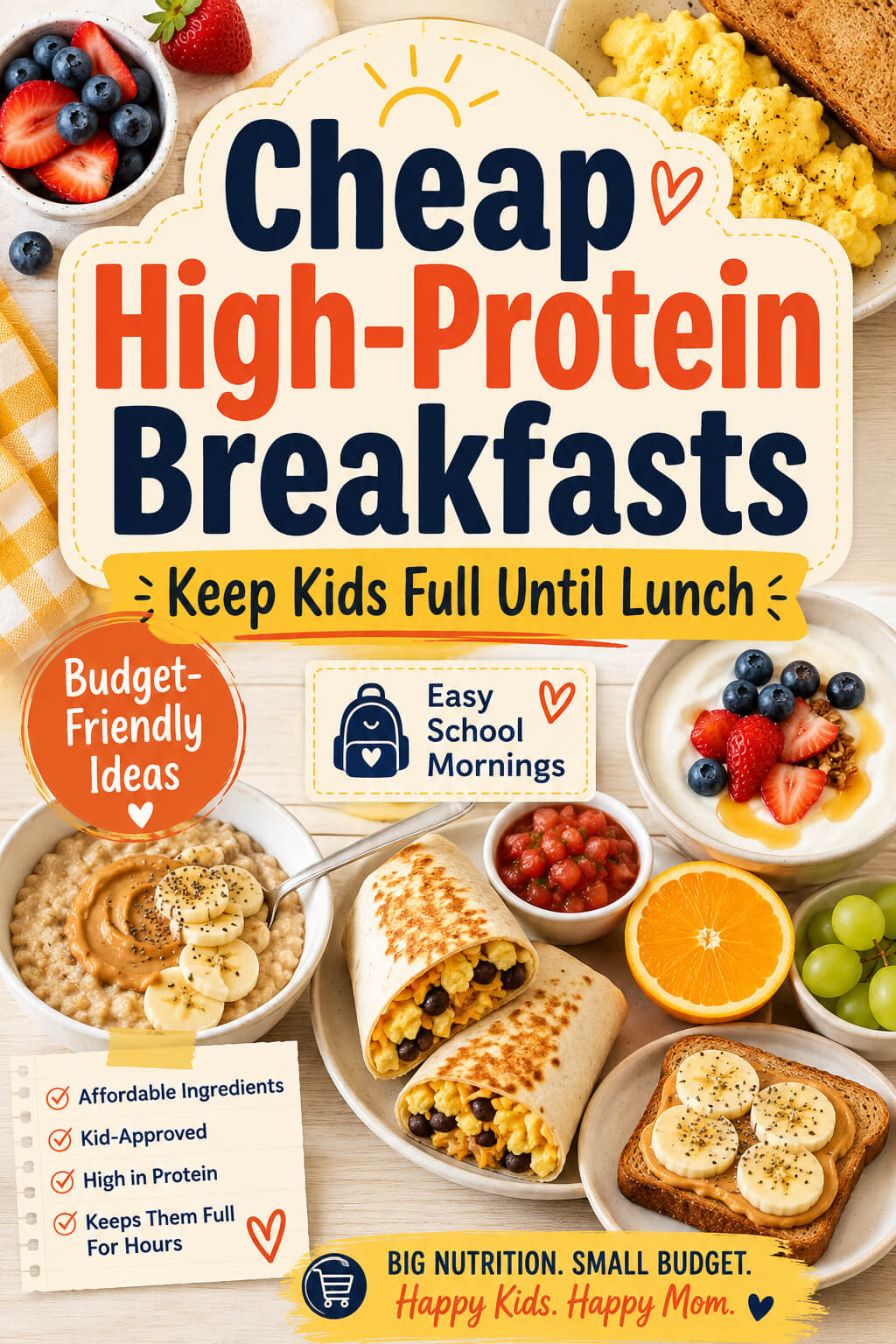
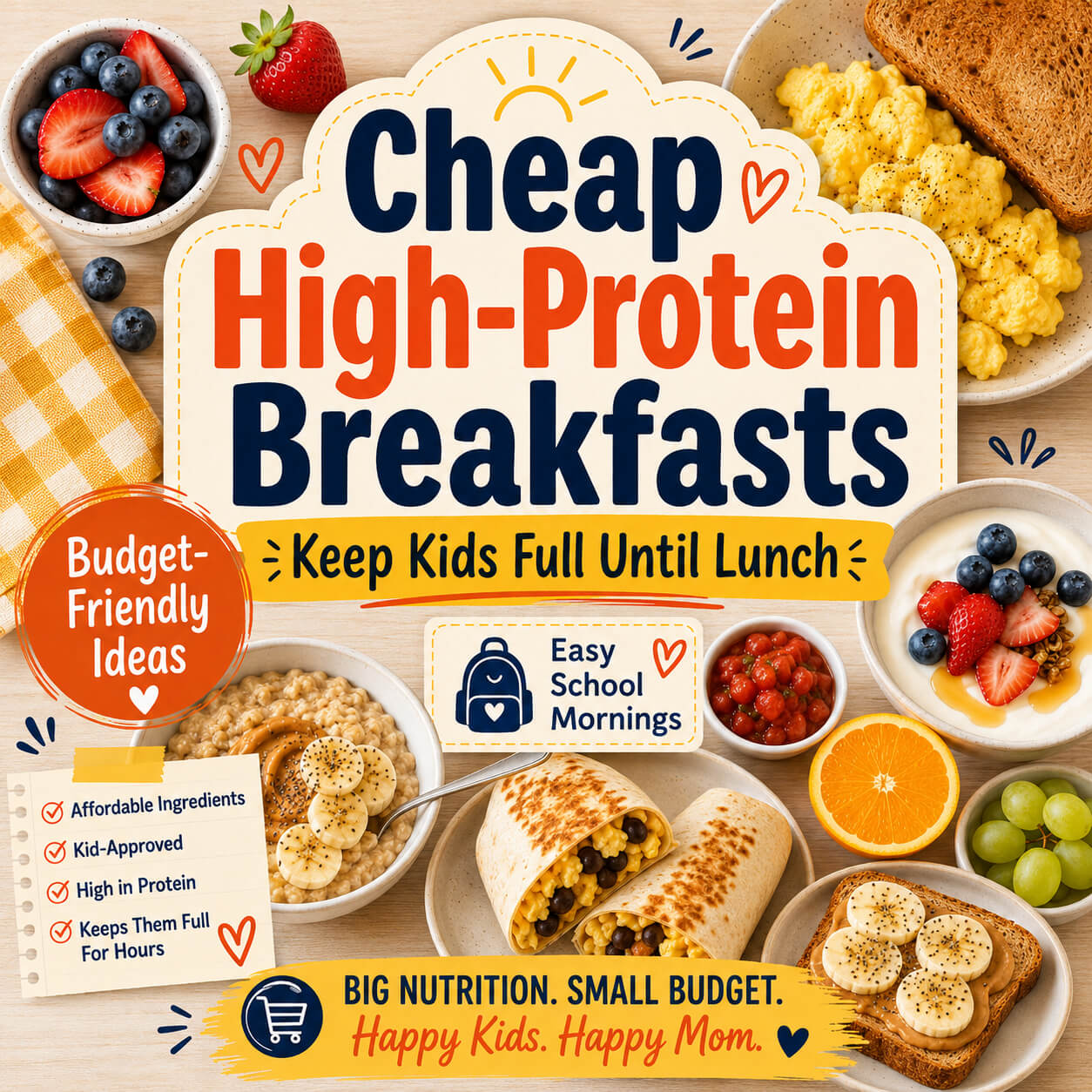
Cheap High-Protein Breakfasts to Keep Kids Full Until Lunch
It’s 7:15 in the early morning. You have actually got 20 mins before the college bus comes. One youngster can not locate theri left footwear, the other is currently saying they’re hungry, and you’re looking at a grocery store spending plan that requires to last the remainder of the week.
Right here’s the reality: you do not require expensive protein bars, fancy shake packages, or trendy high-protein cereals to send your children to college fed and satisfied. You simply require a handful of straightforward, budget-friendly staples and a couple of best recipes that take 10 minutes or much less.
This article is everything about cheap high-protein breakfasts to keep kids full until lunch, real food, actual spending plans, and genuine school mornings. If you’ve got eggs, oats, peanut butter, Greek yogurt, beans, or cheese in your cooking area, you’re currently the majority of the method there.
Why High-Protein Breakfasts Aid Kids Remain Complete Longer
You’ve most likely observed that after a bowl of sweet grain, your kid is hungry once again by 9:30 a.m. That’s due to the fact that many breakfast grains are mainly basic carbs, which absorb swiftly and do not do much to maintain kids pleased.
Healthy protein absorbs much more slowly. When kids consume a morning meal that consists of a solid protein source, they often tend to remain fuller and more comfy till lunchtime. Coupling protein with fiber-rich foods, like entire wheat salute, oats, or fruit, makes it even more effective.
You don’t require a nutrition degree to make this work. The basic guideline: try to consist of at least one protein source at the morning meal. If you can also include fruit or a fiber-rich carbohydrate, great. Otherwise, just the healthy protein makes an actual difference.
The most economical protein sources for children are eggs, milk, Greek yogurt, cottage cheese, peanut butter, beans, and cheese.
Every one of them is offered at any type of U.S. food store, and the majority of expense under $5 for several servings.
Cheap High-Protein Breakfast Staples to Keep on Hand
Before we get to the recipes, here are the staples worth keeping in your kitchen.
Most are available at Walmart, Aldi, Target, or any regular grocery store.
| Staple | Why It Helps | Cheap Ways to Use It |
|---|---|---|
| Eggs | 6–7g protein each; one of the cheapest proteins per serving you’ll find | Scrambled, boiled, baked in muffins, in tacos, quesadillas, burritos |
| Oats (rolled or quick) | ~5g protein per serving; fiber helps kids stay full longer | Oatmeal, overnight oats, pancakes, blended into smoothies |
| Plain Greek Yogurt | ~15–17g protein per ¾ cup; buy a large tub, not single cups | Parfaits, smoothies, pancake batter, on toast |
| Cottage Cheese | ~14g protein per ½ cup; store brands are just as good | On toast, in pancakes, blended smooth as a spread |
| Peanut Butter | ~7g protein per 2 tablespoons; goes with almost everything | Oatmeal, waffles, toast, smoothies, overnight oats |
| Whole Milk | ~8g protein per cup; a simple upgrade from water in oatmeal or smoothies | Oatmeal base, smoothies, scrambled eggs |
| Shredded Cheese | ~7g protein per ounce; buy a block and shred it yourself to save money | Egg muffins, tacos, quesadillas, wraps |
| Whole Wheat Bread | ~4g protein per 2 slices; the fiber helps keep kids full | Toast with PB, cottage cheese toast, egg sandwiches |
| Flour Tortillas | ~4g protein each; inexpensive and very versatile | Breakfast tacos, burritos, quesadillas, wraps |
| Canned Beans | ~7–8g protein per ½ cup; one of the cheapest proteins available | Breakfast wraps, quesadillas, burritos, mixed into eggs |
| Frozen Fruit | Adds fiber and vitamins at a fraction of fresh berry prices | Parfaits, smoothies, oatmeal toppings, pancake toppings |
| Turkey Sausage (on sale) | ~8–10g protein per 2 links; worth buying when it’s on sale | Breakfast burritos, egg muffins, alongside scrambled eggs |
| Chia Seeds (optional) | ~5g protein per 2 tablespoons; optional add-on, not a must-have | Stir into overnight oats or yogurt — a little goes a long way |
Cheap High-Protein Breakfasts to Keep Kids Full Until Lunch
Here are 15 breakfast ideas built around affordable, easy-to-find ingredients.
Each one includes a protein and cost estimate, quick instructions, and tips for picky eaters.
1. Egg and Cheese Breakfast Tacos
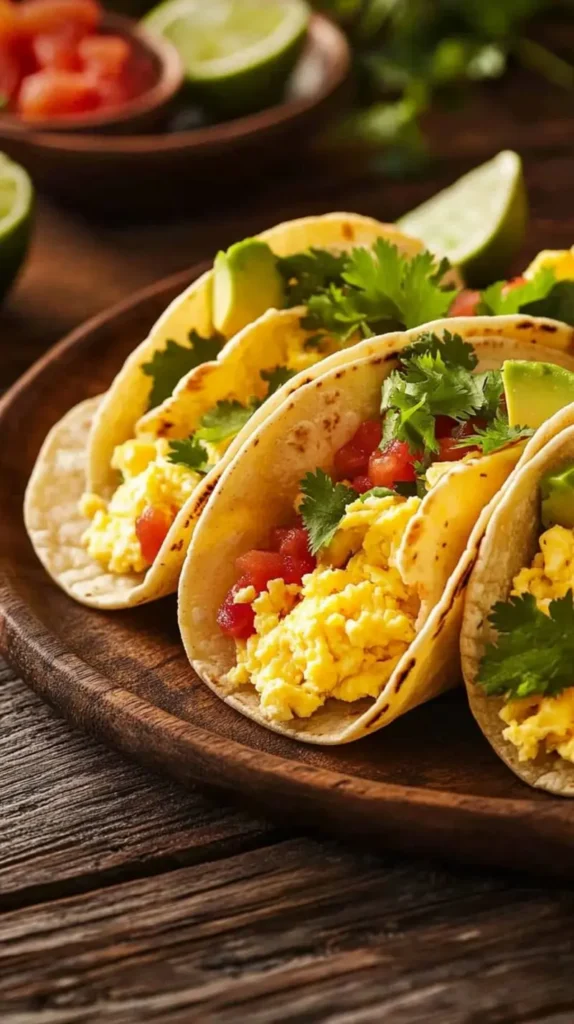
Eggs and cheese give kids a real breakfast, not a snack. Tortillas are cheap, filling, and pretty much every kid will eat them.
This one takes about 5 minutes and uses ingredients you probably already have.
- Prep time: 5 minutes
- Estimated protein: ~14g per serving
- Estimated cost: ~$0.70 per serving
Ingredients:
- 2 small flour tortillas
- 2 eggs
- 1 slice or 2 tablespoons shredded cheddar cheese
- Optional: salsa on the side
Instructions: Scramble eggs in a pan over medium heat. While they cook, warm tortillas in the microwave for 15 seconds. Fill with eggs and cheese. Fold and serve.
Picky eater tip: Let kids add their own toppings. Keep the salsa on the side — not in the taco.
Make-ahead tip: Scramble a big batch of eggs on Sunday and refrigerate. Reheat in 30 seconds.
2. Peanut Butter Banana Oatmeal
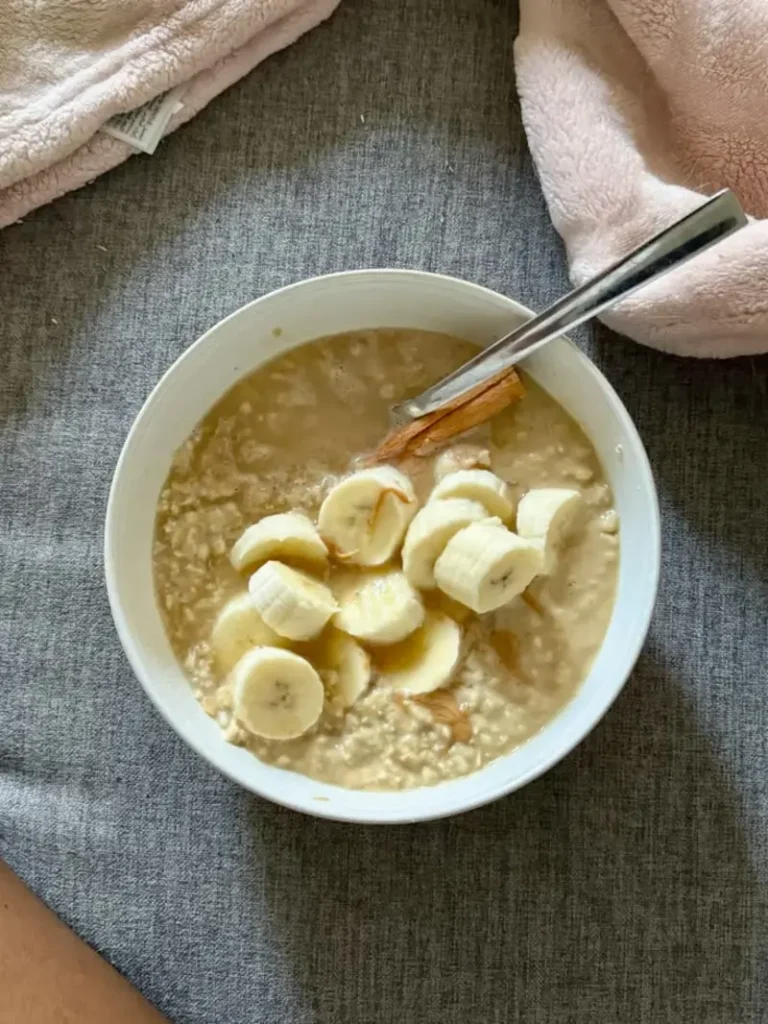
Oats give you fiber, peanut butter adds protein and fat, and a banana makes it naturally sweet.
Kids love the creamy texture, and it costs almost nothing to make.
- Prep time: 5 minutes
- Estimated protein: ~10g per serving
- Estimated cost: ~$0.50 per serving
Ingredients:
- ½ cup rolled oats
- 1 cup milk (or water, but milk adds more protein)
- 1 tablespoon peanut butter
- ½ banana, sliced
Instructions: Cook oats with milk on the stove or in the microwave for 2 minutes. Stir in the peanut butter until melted. Top with banana slices.
Picky eater tip: A small drizzle of honey on top goes a long way with picky eaters.
Make-ahead tip: Cook a big batch of plain oats and keep them in the fridge. Reheat with a splash of milk and add toppings each morning.
3. Greek Yogurt Parfait with Frozen Berries
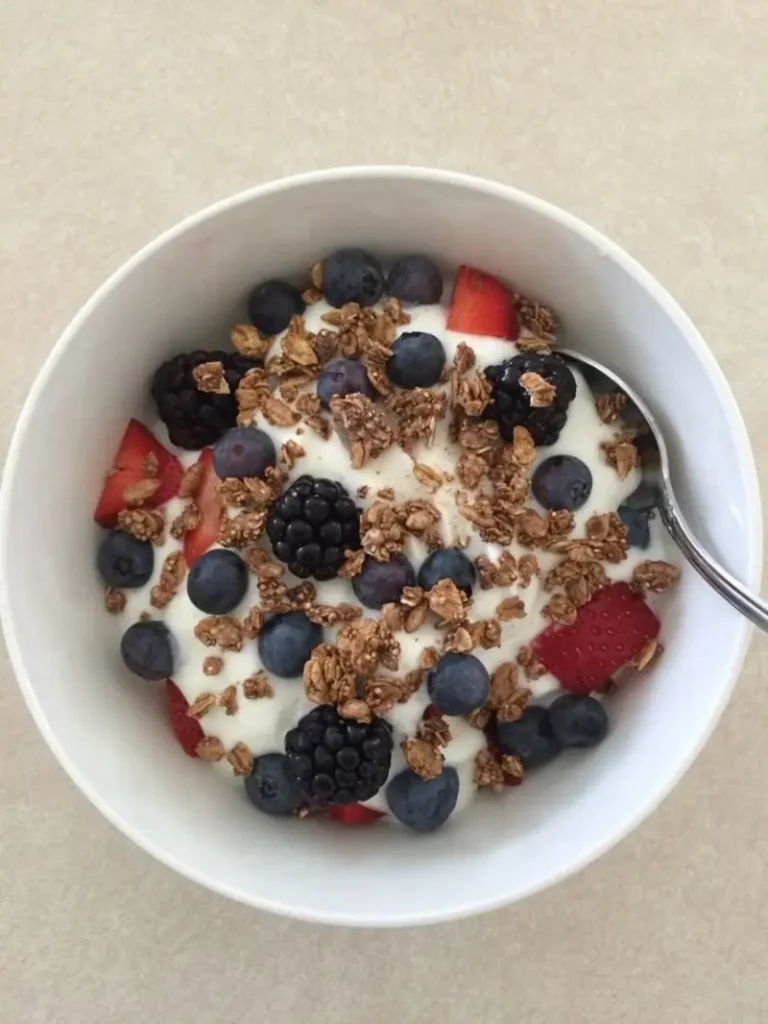
Plain Greek yogurt has about twice the protein of regular yogurt.
Thawed frozen berries cost a fraction of fresh ones, and a little granola adds crunch. You can prep these the night before.
- Prep time: 3 minutes
- Estimated protein: ~15g per serving
- Estimated cost: ~$0.75 per serving
Ingredients:
- ¾ cup plain Greek yogurt
- ¼ cup frozen berries, thawed
- 2 tablespoons granola or lightly crushed cereal
Instructions: Thaw berries overnight in the fridge, or microwave 30 seconds. Layer yogurt, berries, and granola in a bowl or cup.
Picky eater tip: If your kid won’t eat plain Greek yogurt, use a lightly sweetened variety. It still has more protein than regular yogurt.
Make-ahead tip: Layer in lidded cups the night before and grab from the fridge in the morning.
4. Cottage Cheese Toast with Fruit
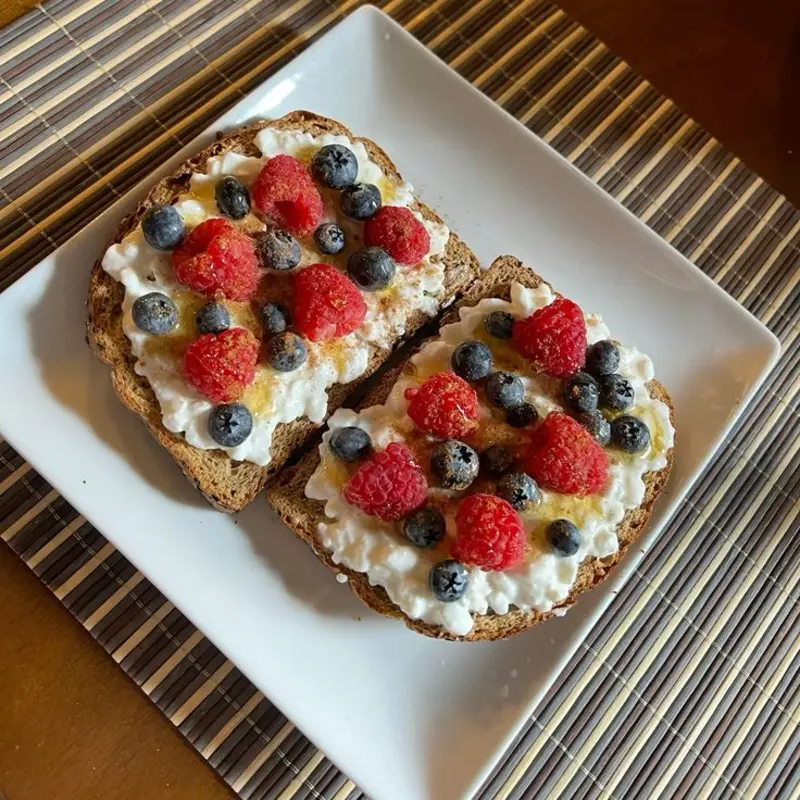
Cottage cheese is one of the cheapest high-protein dairy options you can buy, especially store-brand.
Spread on toast with fruit on top, it’s filling and takes about 3 minutes.
- Prep time: 3 minutes
- Estimated protein: ~18g per serving
- Estimated cost: ~$0.65 per serving
Ingredients:
- 2 slices whole wheat bread
- ½ cup cottage cheese
- ¼ cup sliced strawberries or peaches (fresh or thawed frozen)
Instructions: Toast the bread. Spread cottage cheese on top. Add fruit.
Picky eater tip: Blend the cottage cheese first if texture is the issue — it becomes smooth and spreadable, almost like cream cheese.
Make-ahead tip: Slice fruit the night before and store it in the fridge. Toast bread fresh in the morning.
5. Egg Muffins with Cheese and Veggies

These are the ultimate school morning shortcuts.
Bake a full batch on Sunday, and you’ve got grab-and-go breakfast ready to microwave all week.
- Prep time: 20 minutes (batch cook)
- Estimated protein: ~15g per serving (2 muffins)
- Estimated cost: ~$0.60 for 2 muffins
Ingredients:
- 6 eggs
- ¼ cup shredded cheese
- Any leftover veggies: peppers, spinach, onion — or skip them entirely
- Salt and pepper
Instructions: Preheat oven to 350°F. Grease a muffin tin. Whisk eggs with salt and pepper, then stir in cheese and veggies. Pour into muffin cups. Bake 18–20 minutes until set.
Picky eater tip: Make half the batch plain cheese-only for picky kids, half with veggies for everyone else.
Make-ahead tip: Refrigerate for up to 4 days or freeze up to 2 months. Microwave from frozen for about 45 seconds.
6. Breakfast Quesadilla with Eggs and Beans
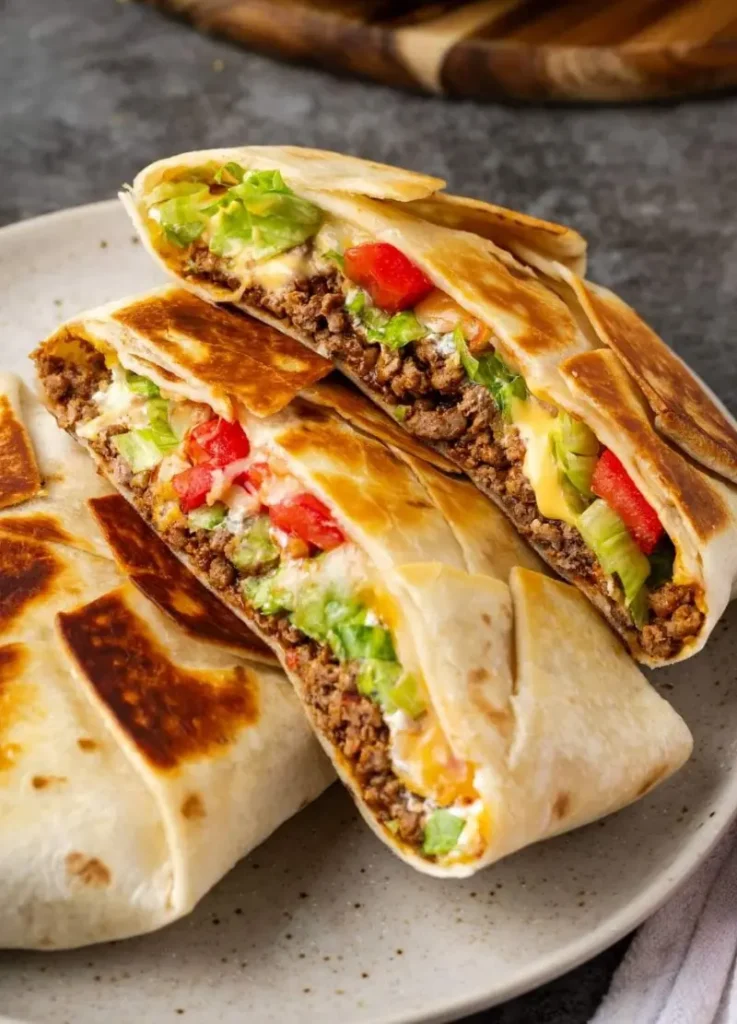
Beans are one of the cheapest protein sources in any U.S. grocery store.
Combine them with eggs and cheese in a crispy quesadilla, and you’ve got a filling breakfast that costs under a dollar.
- Prep time: 8 minutes
- Estimated protein: ~16g per serving
- Estimated cost: ~$0.75 per serving
Ingredients:
- 1 large flour tortilla
- 2 eggs
- 3 tablespoons canned black beans, rinsed
- 2 tablespoons shredded cheese
Instructions: Scramble the eggs. Heat the tortilla in a pan over medium heat. Add eggs, beans, and cheese to one half. Fold and cook 1–2 minutes per side until golden.
Picky eater tip: Use refried beans instead of whole beans — they just blend in, and kids often don’t notice.
Make-ahead tip: Make a few extras and refrigerate. Reheat in a skillet or toaster oven for 2–3 minutes to get them crispy again.
7. Overnight Oats with Peanut Butter
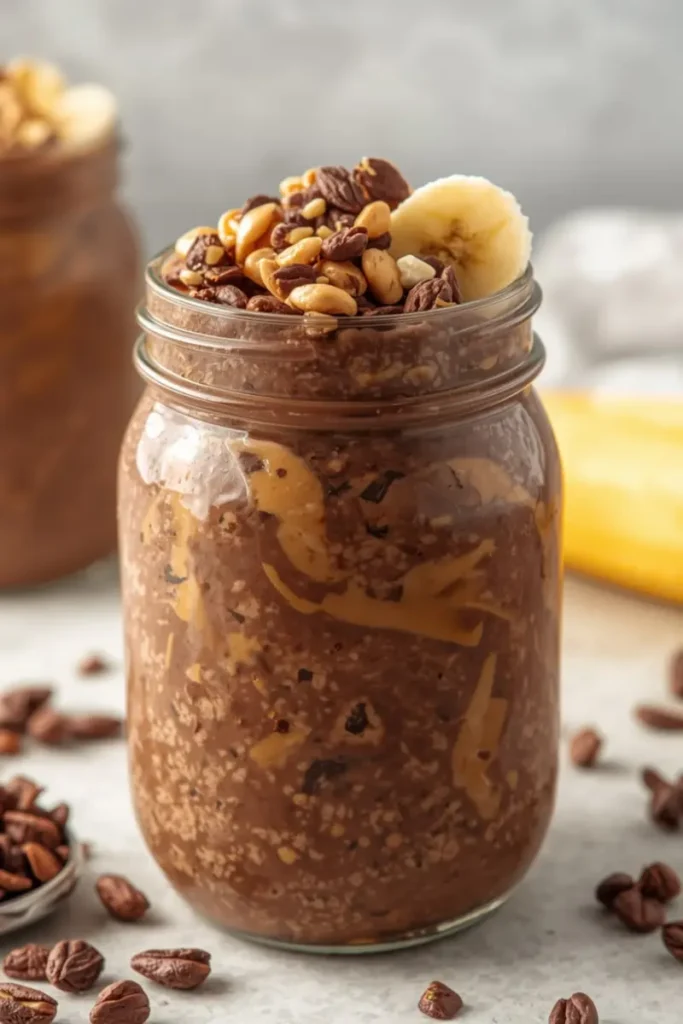
There’s no morning cooking at all with this one. Mix everything in a jar the night before, and it’s ready to grab from the fridge.
Kids can eat it cold or warm it up for a minute.
- Prep time: 0 minutes in the morning
- Estimated protein: ~12g per serving
- Estimated cost: ~$0.55 per serving
Ingredients:
- ½ cup rolled oats
- ½ cup milk
- 1 tablespoon peanut butter
- 1 teaspoon honey or maple syrup
- Optional: sliced banana or frozen berries
Instructions: Mix oats, milk, peanut butter, and sweetener in a jar. Stir well. Cover and refrigerate overnight. In the morning, eat cold or microwave for 1 minute and stir.
Picky eater tip: A spoonful of mini chocolate chips stirred in makes this feel like dessert for breakfast — and it still has plenty of protein.
Make-ahead tip: Make 3–4 jars on Sunday night, and you’re set for most of the week.
8. Scrambled Eggs with Toast and Fruit
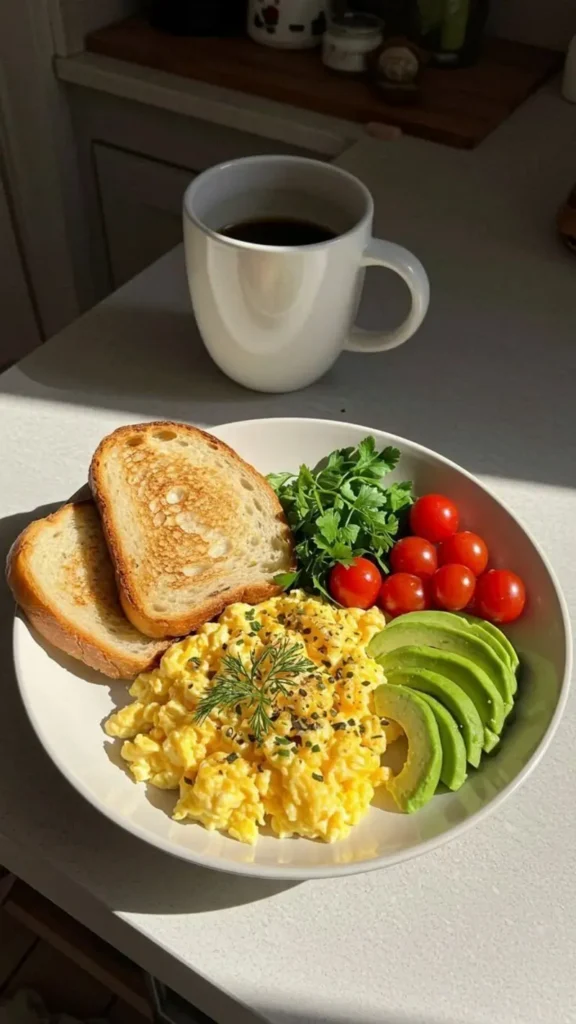
It’s a classic for a reason. Scrambled eggs are fast, cheap, and easy for even the pickiest eaters to accept.
Whole wheat toast adds fiber, and any fruit on the side rounds it out.
- Prep time: 7 minutes
- Estimated protein: ~14g per serving
- Estimated cost: ~$0.70 per serving
Ingredients:
- 2 eggs
- 2 slices whole wheat toast
- ½ cup fruit — banana, apple slices, or grapes
Instructions: Scramble eggs in a lightly greased pan over medium-low heat. Toast the bread while the eggs cook. Serve with fruit on the side.
Picky eater tip: Let older kids scramble their own eggs. Kids are much more likely to eat something they helped make.
Make-ahead tip: Slice fruit the night before and store it covered in the fridge.
9. Yogurt Banana Smoothie
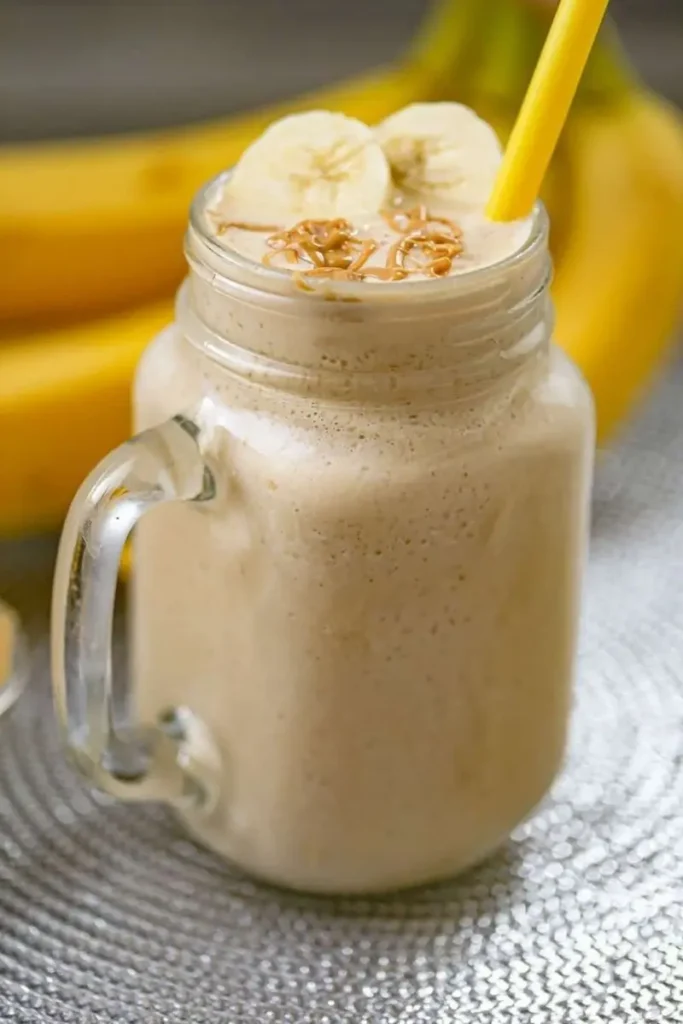
Great for kids who claim they’re not hungry in the morning. The protein from Greek yogurt and milk is completely hidden in a sweet, thick smoothie.
Fast to make, easy to drink on the way to the bus stop.
- Prep time: 3 minutes
- Estimated protein: ~13g per serving
- Estimated cost: ~$0.80 per serving
Ingredients:
- ½ cup plain Greek yogurt
- ½ cup milk
- ½ banana
- ½ cup frozen fruit — mango, strawberries, or mixed berries
Instructions: Blend everything until smooth. Pour into a cup or a lidded reusable bottle.
Picky eater tip: Add a spoonful of peanut butter for extra protein and a richer taste.
Make-ahead tip: Portion frozen fruit into individual bags the night before. Makes blending even faster in the morning.
10. Freezer Breakfast Burritos
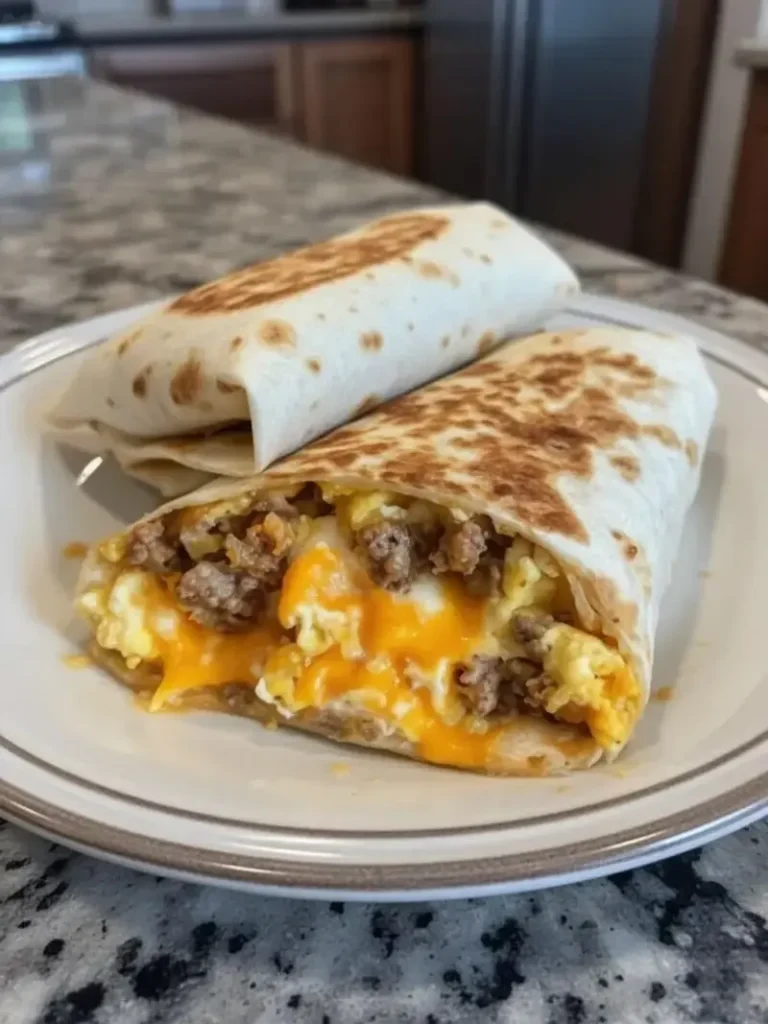
Make 10–12 on a Sunday afternoon, and you’ve got breakfast handled for nearly two weeks. Pull one from the freezer, microwave it, and go.
These are the single best batch-cooking options for busy school mornings.
- Prep time: 0 minutes in the morning (batch cook on weekends)
- Estimated protein: ~17g per serving
- Estimated cost: ~$0.90 per serving
Ingredients:
- Large flour tortillas
- 1–2 eggs per burrito
- Canned black beans or pinto beans, rinsed
- Shredded cheese
- Optional: cooked turkey sausage crumbles
Instructions: Scramble eggs in bulk. Mix with rinsed beans and cheese. Spoon filling onto tortillas and roll up tightly. Wrap each one individually in foil. Freeze. Microwave from frozen for 2–3 minutes.
Picky eater tip: Make some with just egg and cheese for kids who won’t eat beans. Label the foil so you know which is which.
Make-ahead tip: These last up to 2 months in the freezer. Make a double batch if you have the time.
11. Oatmeal with Milk and Peanut Butter
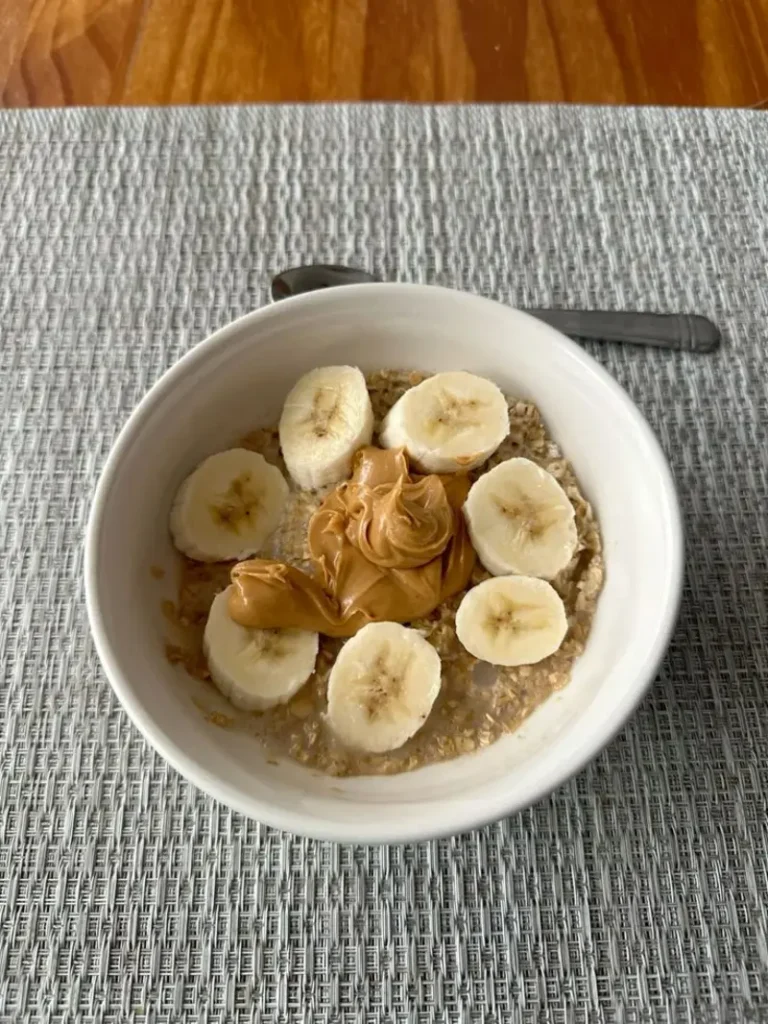
Cooking oatmeal with milk instead of water adds about 8 grams of protein per serving.
Stir in a spoonful of peanut butter, and you’ve got a warm, filling breakfast for well under 50 cents.
- Prep time: 4 minutes
- Estimated protein: ~11g per serving
- Estimated cost: ~$0.45 per serving
Ingredients:
- ½ cup rolled oats
- 1 cup whole milk
- 1 tablespoon peanut butter
- Pinch of cinnamon
Instructions: Cook oats in milk on the stovetop or in the microwave for about 2 minutes. Stir in peanut butter and cinnamon. Serve warm.
Picky eater tip: A teaspoon of brown sugar or a drizzle of honey makes this more appealing for kids who won’t eat plain oatmeal.
Make-ahead tip: Pre-measure dry oat portions into cups the night before. Just add milk and microwave it in the morning.
12. Mini Bagel with Cream Cheese and Boiled Egg
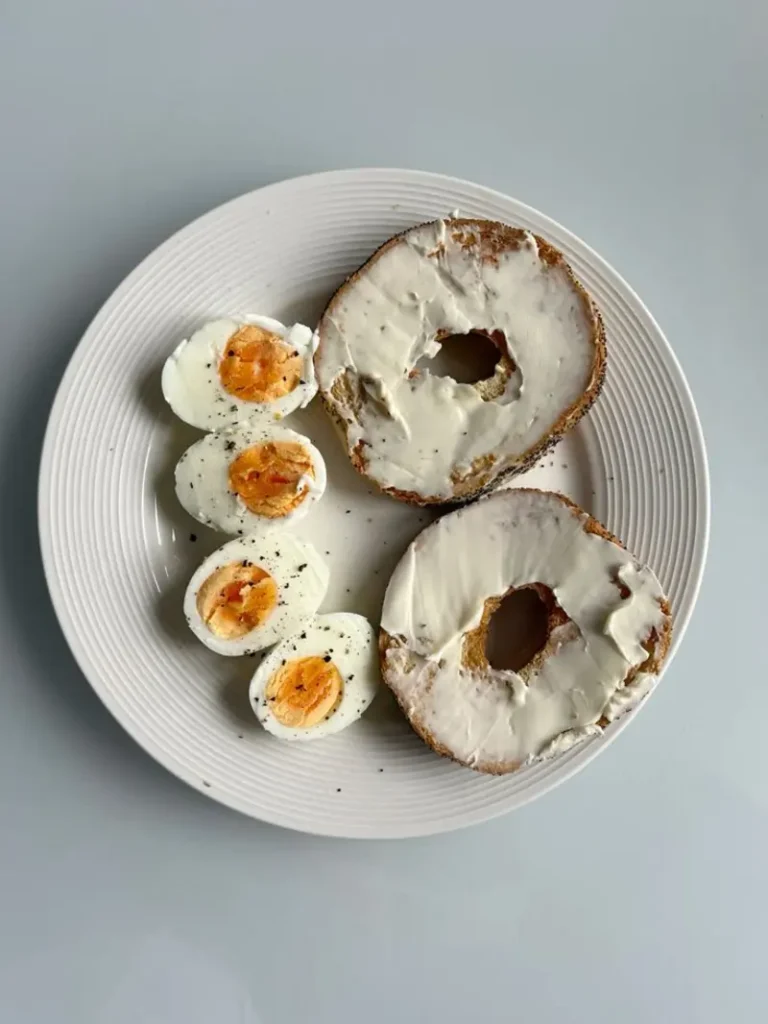
Mini bagels are easy for small kids to hold and eat.
Pair with cream cheese and a pre-boiled egg on the side, and you’ve got a quick, kid-friendly breakfast that doesn’t require any morning cooking.
- Prep time: 5 minutes
- Estimated protein: ~12g per serving
- Estimated cost: ~$0.80 per serving
Ingredients:
- 1 mini whole wheat bagel
- 2 tablespoons cream cheese
- 1 hard-boiled egg
Instructions: Toast the bagel. Spread with cream cheese. Serve with the hard-boiled egg on the side. Slice the egg for younger kids.
Picky eater tip: Let kids spread their own cream cheese — they’re much more interested in eating something they assembled themselves.
Make-ahead tip: Boil 6 eggs on Sunday and refrigerate. They keep for up to 5 days.
13. Waffle Sandwich with Peanut Butter
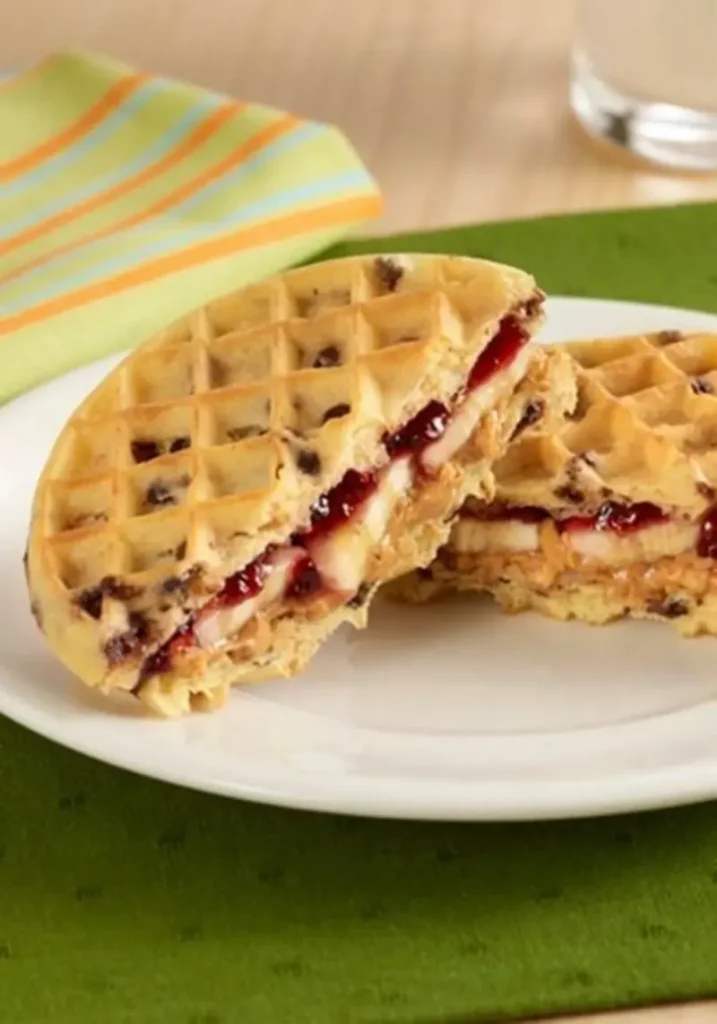
Frozen waffles are fast and affordable, and almost every kid loves them.
Add peanut butter and banana slices, and you’ve upgraded a basic waffle into something that’ll actually hold them over until lunch.
- Prep time: 3 minutes
- Estimated protein: ~9g per serving
- Estimated cost: ~$0.65 per serving
Ingredients:
- 2 frozen waffles
- 1½ tablespoons peanut butter
- ½ banana, sliced
Instructions: Toast the waffles. Spread peanut butter on one waffle. Add banana slices. Put the second waffle on top like a sandwich.
Picky eater tip: Skip the banana and swap in a drizzle of honey. Still filling, still fast.
Make-ahead tip: Nothing to prep — this is a 3-minute breakfast start to finish.
14. Bean and Cheese Breakfast Wrap
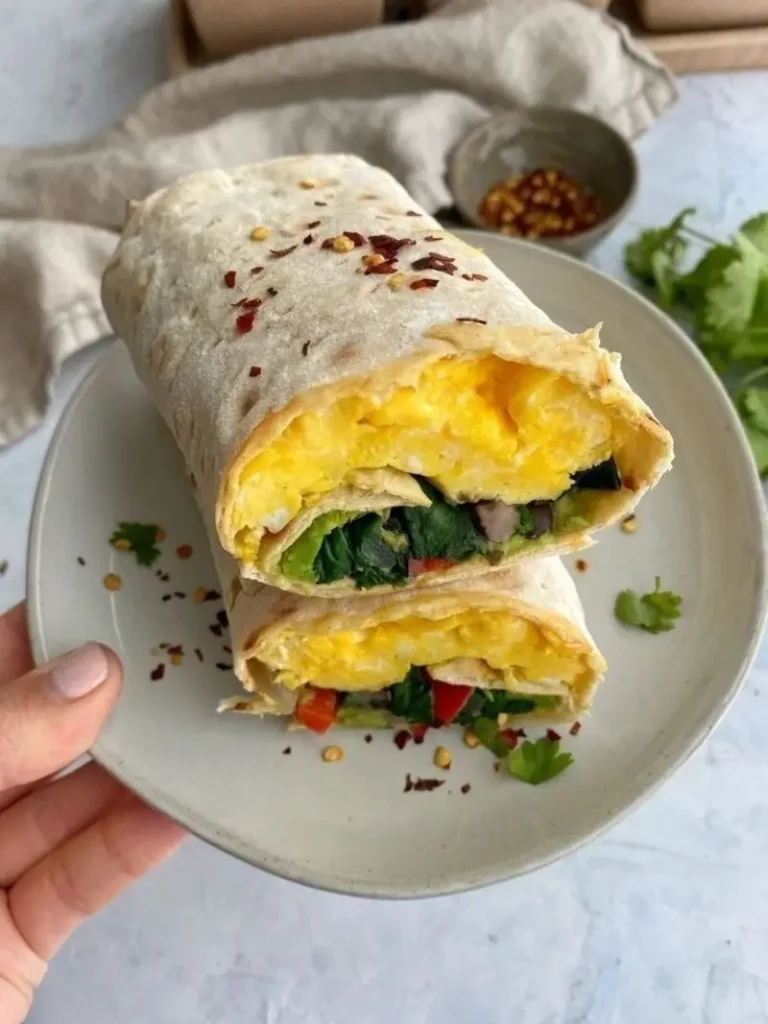
No eggs needed. Refried beans are incredibly cheap and filling on their own.
A warm tortilla with melted cheese and beans is the fastest protein-packed breakfast for kids who don’t like eggs.
- Prep time: 2 minutes
- Estimated protein: ~12g per serving
- Estimated cost: ~$0.55 per serving
Ingredients:
- 1 large flour tortilla
- ⅓ cup canned refried beans
- 2 tablespoons shredded cheese
Instructions: Microwave the tortilla for 20 seconds. Spread refried beans down the center. Add cheese. Microwave for another 20 seconds until the cheese melts. Roll and serve.
Picky eater tip: Serve with a small cup of salsa or ketchup for dipping. Dipping motivates picky eaters like nothing else.
Make-ahead tip: Assemble the night before, wrap in plastic wrap, and refrigerate. Microwave for 30–40 seconds in the morning.
15. Cottage Cheese Pancakes
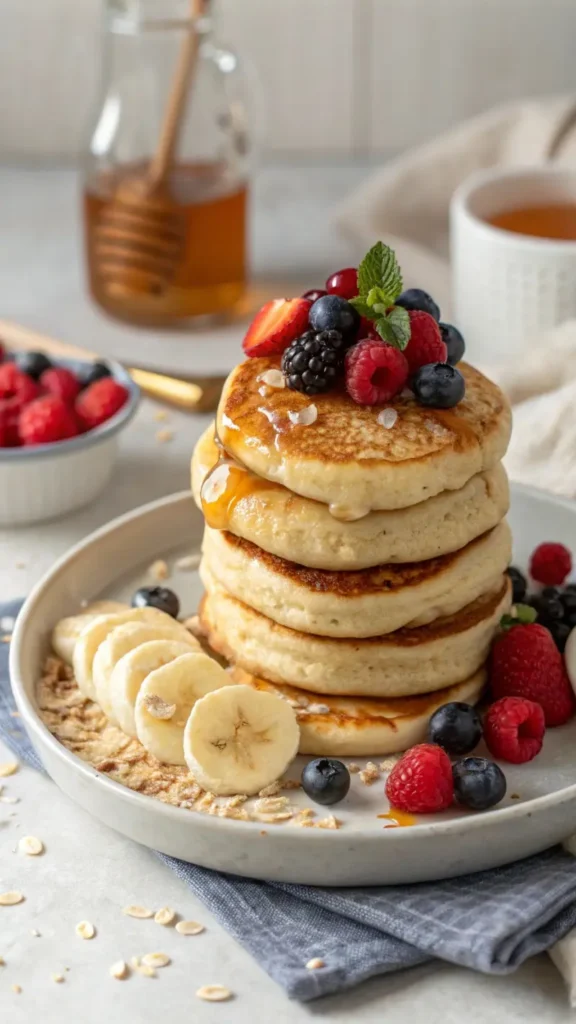
These are made entirely from cheap staples, eggs, oats, and cottage cheese. They taste like real pancakes but have noticeably more protein.
Best made as a weekend batch and reheated during the week.
- Prep time: 15 minutes (weekend batch cook)
- Estimated protein: ~16g per serving (3 small pancakes)
- Estimated cost: ~$0.75 per serving
Ingredients:
- ½ cup cottage cheese
- 2 eggs
- ½ cup rolled oats
- ½ teaspoon vanilla extract
- Pinch of baking powder
Instructions: Blend all ingredients until smooth. Cook in a lightly greased pan over medium heat, about 2 minutes per side. Serve with fruit or a small drizzle of maple syrup.
Picky eater tip: A small dish of syrup for dipping makes these a hit with reluctant eaters.
Make-ahead tip: Make a double batch on the weekend. Refrigerate for up to 3 days or freeze with parchment between each pancake. Reheat in the toaster or microwave.
Comparison Table: Protein, Cost, and Prep Time
| Breakfast Idea | Est. Protein | Est. Cost | Prep Time | Make-Ahead? |
|---|---|---|---|---|
| Egg & Cheese Breakfast Tacos | ~14g | ~$0.70 | 5 min | Partial |
| Peanut Butter Banana Oatmeal | ~10g | ~$0.50 | 5 min | Yes |
| Greek Yogurt Parfait | ~15g | ~$0.75 | 3 min | Yes |
| Cottage Cheese Toast | ~18g | ~$0.65 | 3 min | Partial |
| Egg Muffins with Cheese | ~15g | ~$0.60 | 20 min (batch) | Yes ✓ freeze |
| Breakfast Quesadilla | ~16g | ~$0.75 | 8 min | Yes |
| Overnight Oats with PB | ~12g | ~$0.55 | 0 min morning | Yes |
| Scrambled Eggs with Toast | ~14g | ~$0.70 | 7 min | Partial |
| Yogurt Banana Smoothie | ~13g | ~$0.80 | 3 min | Partial |
| Freezer Breakfast Burritos | ~17g | ~$0.90 | 0 min morning | Yes ✓ freeze |
| Oatmeal with Milk & PB | ~11g | ~$0.45 | 4 min | Partial |
| Mini Bagel + Cream Cheese + Egg | ~12g | ~$0.80 | 5 min | Partial |
| Waffle Sandwich with PB | ~9g | ~$0.65 | 3 min | No |
| Bean & Cheese Wrap | ~12g | ~$0.55 | 2 min | Yes |
| Cottage Cheese Pancakes | ~16g | ~$0.75 | 15 min (batch) | Yes ✓ fridge |
5-Day Budget School Morning Breakfast Plan
This is just a starting point; you don’t have to follow it exactly.
The goal is a realistic framework that keeps costs low and prep time short.
Rotate the same breakfasts a couple of times per week to reduce waste and simplify your grocery list.
| Day | Breakfast | Prep Night Before | Est. Cost/Child | Notes |
|---|---|---|---|---|
| Monday | Overnight Oats with PB | Mix oats + milk + PB in jar | ~$0.55 | Zero cooking in morning |
| Tuesday | Egg Muffins (from freezer) | None — grab from freezer | ~$0.60 | Microwave 45 sec |
| Wednesday | Greek Yogurt Parfait | Layer in cups, refrigerate | ~$0.75 | Use leftover fruit if you have it |
| Thursday | Freezer Breakfast Burrito | None — grab from freezer | ~$0.90 | Microwave 2–3 min |
| Friday | PB Banana Oatmeal | Slice banana, measure oats | ~$0.50 | Quick stovetop or microwave |
Weekend batch tip: Spend 30–45 minutes on Sunday making a 12-count batch of egg muffins and 10–12 freezer burritos. Freeze both. You’ll have grab-and-go breakfasts ready for two weeks.
Budget Grocery List for High-Protein Kids’ Breakfasts
Prices vary by store and location. These ranges are based on typical U.S. budget grocery shopping in 2026.
Store brands are almost always cheaper and just as good.
Protein Staples
- Eggs — 1 dozen: $3.00 to $5.00 (prices have varied a lot recently; buy store brand when possible)
- Plain Greek Yogurt (32 oz tub): $4.00 to $6.00
- Cottage Cheese (16 oz): $2.50 to $4.00
- Peanut Butter (16–18 oz jar): $3.00 to $4.50
- Canned Black or Pinto Beans: $0.80 to $1.20 per can
- Shredded Cheddar Cheese (8 oz bag): $2.50 to $4.00
- Cream Cheese (8 oz block): $2.50 to $3.50
- Turkey Sausage Links (look for sales): $3.50 to $5.00
Grains and Carbs
- Rolled Oats (42 oz canister): $3.50 to $5.00
- Whole Wheat Bread (loaf): $2.50 to $4.00
- Flour Tortillas (10-count pack): $2.50 to $3.50
- Mini Bagels (bag of 6): $2.50 to $3.50
- Frozen Waffles (10-count box): $2.50 to $3.50
Fruit
- Bananas (bunch): $1.00 to $1.50
- Frozen Mixed Berries (12 oz bag): $2.50 to $4.00
- Frozen Strawberries (16 oz bag): $2.50 to $3.50
- Apples (3 lb bag): $3.00 to $4.50
Dairy
- Whole Milk (½ gallon): $2.50 to $4.00
- Butter (1 lb): $3.50 to $5.00
Pantry Extras
- Honey or Maple Syrup (small bottle): $3.00 to $5.00
- Cinnamon (ground): $1.50 to $3.00
- Granola (store brand, 12 oz): $2.50 to $4.00
- Refried Beans (15 oz can): $1.00 to $1.50
How to Save Money on High-Protein Breakfasts
These aren’t Pinterest tips.
These are things that genuinely work when you’re watching every dollar at the grocery store.
- Always buy store brands. Kirkland (Costco), Great Value (Walmart), Simply Nature (Aldi) — these are usually the same product as the name brand, made in the same facility, for 20–40% less. This goes especially for eggs, oats, yogurt, and peanut butter.
- Build your week around eggs. At roughly $0.25 to $0.40 per egg, eggs are one of the cheapest proteins per gram you’ll find anywhere. Plan at least 3–4 egg-based breakfasts per week.
- Buy yogurt in large tubs, not single cups. A 32 oz tub of Greek yogurt costs about $5 and gives you 6–8 servings. Individual cups run $1.50 to $2 each — that’s $10 to $14 for the same amount.
- Choose frozen fruit over fresh berries. Frozen fruit is cheaper, lasts longer, and is just as nutritious. A 12-oz bag of frozen mixed berries costs about $3 and makes many servings. A tiny pint of fresh berries can cost $5 or more.
- Batch cook on Sundays. Making 10–12 freezer burritos or a 12-count batch of egg muffins takes about 40 minutes and covers almost two weeks of breakfasts for under a dollar per serving.
- Compare unit prices, not sticker prices. Most grocery store shelf labels show a price per ounce. A bigger container often costs less per serving, even if the upfront price is higher. Use the unit price to compare.
- Stretch the meat by mixing it in. If you buy turkey sausage, don’t serve it as the whole breakfast. Crumble one link into scrambled eggs or a burrito, and it stretches across several servings for much less money.
- Skip the specialty protein products. Protein bars, protein granola, and protein cereals marketed for kids cost significantly more per gram of protein than a couple of eggs or a cup of Greek yogurt. They’re not necessary.
- Repeat 2–3 breakfasts each week. Eating the same breakfast on Monday and again on Wednesday means buying ingredients in larger quantities, less waste, and less money spent overall. Repetition is budget-friendly.
- Stock up when shelf-stable items go on sale. Peanut butter, oats, canned beans, and tortillas all have long shelf lives. When they’re on sale, grab extras.
Easy Swaps for Allergies, Picky Eaters, and Tight Budgets
Peanut-Free Swaps
If your child’s school is nut-free, or your child has a peanut allergy, here are the best alternatives:
- Sunflower seed butter — closest in texture and protein to peanut butter; available at most grocery stores, including Walmart and Target
- Cream cheese on toast or bagels — lower in protein but widely accepted by kids
- Extra cheese or beans in burritos and wraps to make up for the missing protein
- Soy-based spreads or almond butter if tree nuts are safe (always check your school’s allergy policy)
Dairy-Free Swaps
- Use unsweetened soy milk instead of cow’s milk — it has more protein than any other plant milk, roughly 6–8g per cup
- Swap Greek yogurt for a soy-based yogurt (check the label — protein varies a lot by brand, from 2g to 10g per serving)
- Skip cheese in tacos and quesadillas, or use a dairy-free shredded cheese if you can find it at your store
- Replace cream cheese with mashed avocado or hummus on toast
Egg-Free Swaps
- Add extra beans to breakfast wraps and burritos to replace the protein from eggs
- For cottage cheese pancakes, replace each egg with a flax egg: mix 1 tablespoon ground flaxseed with 3 tablespoons water and let it sit for 5 minutes
- Lean on oatmeal, yogurt, smoothies, and peanut butter toast as your main rotation
- Stir chia seeds or hemp seeds into oatmeal or smoothies for an easy protein boost
No-Cook Options for the Most Rushed Mornings
- Overnight oats — prepped the night before, zero morning cooking
- Yogurt parfait — layered in cups the night before, just grab and eat
- Cottage cheese toast — toast the bread while you’re pouring juice
- Greek yogurt with granola and thawed frozen fruit — thaw berries in the fridge overnight
- Peanut butter on whole wheat toast with a banana — literally 2 minutes
For Very Picky Eaters
Some kids won’t eat much of anything in the morning.
Here’s what tends to actually work:
- Blend cottage cheese smooth before spreading it — the texture completely changes, and most picky kids accept it
- Make smoothies — Greek yogurt and peanut butter are completely hidden in a fruit smoothie
- Use a mini muffin tin for egg muffins — small bites are less overwhelming than a full-sized muffin
- Let them dip — kids often eat things they’d normally refuse if there’s a sauce on the side
- If your kid will eat the same breakfast every single day, let them. Consistency beats variety when it comes to actually getting food into a picky eater.
When Groceries Are Extra Expensive
- Eggs are almost always the cheapest protein option — when everything else is pricey, build the week around eggs
- Canned beans (black, pinto, refried) are reliable and very affordable, even when other prices are up
- Plain rolled oats are one of the cheapest breakfast staples you’ll find in any store
- Look for store-brand Greek yogurt on markdown near the sell-by date — use it within a day or two, or freeze it (note: texture gets slightly grainy after freezing, so stir it into smoothies or oatmeal rather than eating it plain)
Common Mistakes to Avoid
- Relying on sugary cereal every morning. Most breakfast cereals — even ones that say “whole grain” on the box — are mostly simple carbs with very little protein. A bowl of cereal and milk might hold a kid for 90 minutes. Oatmeal made with milk and peanut butter can hold them for 3 hours.
- Buying specialty high-protein kids’ products. Protein bars, protein waffles, protein granola — these are marketed toward parents who want to do the right thing, but they cost two to three times more per gram of protein than eggs or Greek yogurt. They’re not necessary.
- Choosing recipes that take 30 minutes on a school morning. A 30-minute breakfast is a weekend breakfast. On school mornings, you need something that takes 10 minutes or less. Batch-cook on weekends; keep mornings fast.
- Skipping fiber entirely. Protein alone helps, but protein plus fiber is what actually keeps kids comfortable until lunch. Pair eggs with whole wheat toast, oatmeal with fruit, or a wrap with beans. The fiber makes a difference.
- Not doing any prep ahead of time. Even 15 minutes on Sunday — boiling eggs, mixing overnight oats, portioning yogurt cups — saves real time and stress on weekday mornings. A freezer stocked with burritos or egg muffins is worth its weight in gold.
- Buying ingredients your kids won’t actually eat. There’s no point buying fancy superfoods your kid won’t touch. Start with what they already like and add protein to those things. A kid who loves waffles will eat a peanut butter waffle sandwich. Build on that.
- Making a completely different breakfast every day. Variety sounds good in theory, but in practice, it means buying lots of small quantities, more food going to waste, and a more complicated grocery list. Pick 3–5 breakfasts your family actually likes and rotate them. Simple works.
FAQs
What’s the cheapest high-protein breakfast for kids?
Eggs. At roughly $0.25 to $0.40 per egg, they’re hard to beat for cost per gram of protein. Two scrambled eggs on whole wheat toast with a piece of fruit comes in under $1 per serving and delivers around 14 grams of protein. Canned beans and oatmeal made with milk are close runners-up.
How much protein should kids have at breakfast?
Most nutrition guidelines point to 10 to 20 grams of protein at breakfast, depending on age and size. Younger kids (ages 4–6) tend to do well with 10–12 grams; older elementary-age kids benefit from 15–20 grams. These are general ranges — talk to your child’s pediatrician if you have specific concerns.
Are eggs a good budget breakfast for kids?
One of the best. Eggs are versatile, fast to cook, and accepted by most kids in some form. A dozen eggs provides 12 servings of quality protein at a cost that’s hard to match with anything else at the grocery store. Whether your kid likes them scrambled, boiled, or hidden in a muffin or burrito, eggs fit almost any school morning routine.
What can I make if my child doesn’t like eggs?
Peanut butter oatmeal, Greek yogurt parfaits, cottage cheese toast, bean and cheese wraps, overnight oats, yogurt smoothies, and peanut butter waffle sandwiches all skip eggs entirely. The cottage cheese pancakes (recipe #15) do contain eggs, but they’re fully blended into the batter — the texture is nothing like scrambled eggs, and many egg-skeptical kids eat them without issue.
Are protein powders necessary for kids?
No. For healthy kids eating regular meals, protein powders offer no advantage over real food — and they cost a lot more. Eggs, Greek yogurt, peanut butter, cottage cheese, and beans give kids all the protein they need at breakfast. Save the protein powder budget for something else.
What are good make-ahead high-protein breakfasts for school mornings?
Freezer breakfast burritos are probably the best — make 10–12 on a Sunday, and they’re ready to microwave for nearly two weeks. Egg muffins (bake a 12-count batch, freeze or refrigerate), overnight oats (make 3–4 jars Sunday night), and hard-boiled eggs (boil 6, refrigerate up to 5 days) are all solid. Pre-layered yogurt parfait cups in lidded containers also work well — make 4–5 on Sunday and just grab one each morning.
How can I make a breakfast filling without spending a lot?
Combine protein with fiber. An egg is good. An egg on whole wheat toast with a piece of fruit is better. Oatmeal with water is fine; oatmeal with milk and peanut butter is noticeably more filling. Look at whatever your kids already eat for breakfast and find one small way to add a protein source. That one change — a spoonful of peanut butter, a boiled egg on the side, a scoop of Greek yogurt — can make a real difference in how long they stay full.
Conclusion
Getting your kids to school fed, without spending a fortune or losing your mind on a Tuesday morning, is completely doable.
These cheap high-protein breakfasts to keep kids full until lunch don’t require special ingredients, a big kitchen, or a lot of time.
They require eggs, oats, peanut butter, and maybe 30 minutes on a Sunday.
Pick 3 to 5 ideas from this list. Make them on rotation. Prep a little on the weekend. Keep your staples stocked. That’s the whole system.
Your kids don’t need a different fancy breakfast every morning. They need something quick, filling, and actually in front of them before the bus comes.
Everything in this article fits that description, and most of it costs under a dollar per serving.
Start simple. Repeat what works. And don’t stress about the mornings when it’s just toast with peanut butter. That’s a solid breakfast, too.