
The Ultimate Aldi Shopping Guide for Families on a Tight Budget (2026)
Grocery prices are still high.
If you’ve been standing in a checkout line lately watching the total creep past $200 for what feels like barely a week’s worth of food, you already know that.
Inflation has eased a bit compared to the worst of it, but for most American families (especially those with kids), the grocery bill is still one of the biggest pressure points in the monthly budget.
That’s exactly why Aldi deserves a second look in 2026, especially if you’ve never shopped there seriously or if you walked in once, felt confused, and walked out.
Aldi isn’t fancy.
It’s not trying to be. But for families who need to feed real people real meals without spending $300 or $400 a week, it’s one of the most reliable tools you have.
This guide is for budget-conscious moms, dads, and caregivers who want a practical Aldi shopping guide for families, not a vague list of tips, but an actual plan for how to walk in, what to buy, what to skip, how to meal plan from your haul, and how to keep the grocery bill manageable week after week.
Who This Aldi Shopping Guide Is For
This guide is for you if:
- You’re feeding a family of three or more on a tight budget
- You’ve tried Aldi but weren’t sure what to buy or how to plan around it
- You shop at other grocery stores but suspect you’re overpaying for basics
- You want to lower your grocery bill without resorting to boring, repetitive meals
- You’re new to budget grocery shopping and want a straightforward starting point
This guide is not a promise that Aldi will slash your grocery bill in half overnight.
It’s a realistic look at how to use Aldi on purpose, so you’re spending less without feeding your family food they don’t want to eat.
Realistic Expectations About Aldi Prices in 2026
Before you plan your entire budget around Aldi, there are a few honest things worth knowing.
Prices vary by location. Aldi sets prices at the regional level, which means a gallon of milk or a bag of apples may cost slightly differently in Dallas than in Columbus or Portland. Don’t assume the prices you read in a blog post (including this one) will match your local store exactly.
Prices vary by season. Produce pricing shifts throughout the year. Strawberries in May will cost less than strawberries in February. The same goes for other seasonal items.
Estimated prices in this guide are based on national averages as of mid-2026 and are meant to give you a reasonable planning baseline — not a guarantee. Always check your local store.
With that said, Aldi consistently prices its store-brand groceries 20% to 50% below comparable items at major chains like Kroger, Publix, or Safeway.
That gap is real, and it adds up fast over a month of shopping.
How Aldi Works: A Beginner’s Explanation
If you’ve never shopped at Aldi before, it can feel a little different from a typical grocery store.
Here’s what you need to know before your first trip.
The Cart Quarter
Aldi carts are locked together outside the store. To use one, you insert a quarter into a slot on the handle, which releases the cart.
When you return it and lock it back in, you get your quarter back. It’s not a fee; it’s just how they keep carts from rolling around the parking lot without paying cart attendants to chase them.
Bring a quarter, or keep one in your car permanently.
Don’t let the cart thing catch you off guard.
Bring Your Own Bags
Aldi does not bag your groceries for you, and they don’t provide free bags.
You can buy reusable bags or paper bags at the register, but bringing your own is smarter.
Toss a few reusable bags in your car and leave them there.
Limited Brands, Mostly Store Brands
About 90% of what Aldi sells is their own store brand, names like Kirkwood (chicken), Friendly Farms (dairy), Millville (cereal), and SimplyNature (natural/organic).
These are made by real manufacturers; Aldi just private-labels them. Quality on most items is solid, and some of it is genuinely excellent.
There are very few national brands at Aldi. If you’re brand-loyal to specific products, you may need to pick up a few things elsewhere.
The Weekly Aldi Finds Section
The middle of the store changes every week with non-grocery items — kitchen gadgets, clothing, tools, outdoor gear, toys, seasonal décor.
These are called Aldi Finds (or the “AISLE OF SHAME” as fans call it online). They’re one-time deals that sell out fast and don’t come back.
For budget families, Aldi Finds can be genuinely useful — or a budget-wrecking distraction. More on that later.
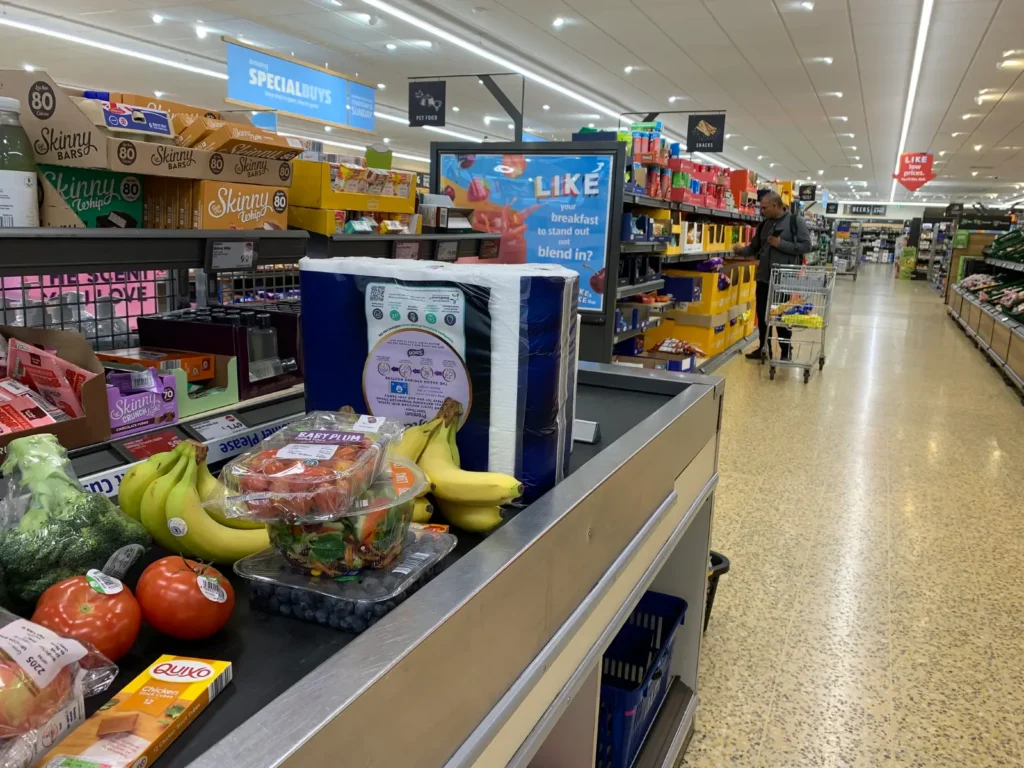
Store Layout and Fast Checkout
Aldi stores are small and efficient. Shelves are sparse by design. Products often sit in the original shipping boxes rather than being individually shelved, which keeps labor costs down and prices low.
At checkout, cashiers scan items fast, faster than most stores.
They don’t bag your groceries; they put them back in your cart after scanning. There’s a bagging ledge near the exit where you bag everything yourself.
This sounds annoying, but it takes about two minutes once you’re used to it.
A Practical Aldi Shopping Strategy
Shopping at Aldi without a plan is how you end up spending more than you meant to and leaving without half of what you needed.
These five habits make a real difference.
Check the Weekly Ad Before You Go
Aldi releases a new weekly ad every Wednesday.
Look at it before you make your list. It shows which produce, proteins, and specialty items are on sale or featured that week.
It also previews upcoming Aldi Finds, which matters if you’re planning a big purchase.
You can find the weekly ad at Aldi.us or on the Aldi app.
Build Your List Around What’s on Sale and in Season
Instead of deciding your meals first and then shopping for ingredients, flip it.
Look at what Aldi has at the best price that week, then build your meals around those ingredients. This one habit does more for your Aldi family grocery budget than almost anything else.
If chicken thighs are featured, plan three chicken meals. If strawberries are in season and cheap, build your breakfasts around them.
Set a Hard Budget Before You Walk In
Know your number before you touch a cart. Write it on your hand if you have to.
This keeps the Aldi Finds aisle from ambushing your food budget.
Shop the Perimeter First, Then the Center
Grab produce, dairy, meat, and eggs first. Then fill in pantry staples from the aisles.
Leave the Aldi Finds section for the very end, when you know exactly how much money is left.
Don’t Shop Hungry
Obvious advice, but Aldi makes it especially dangerous.
Their snack and treat options are genuinely good and priced low enough that everything feels justified.
Eat before you go.
The Best Aldi Grocery Categories for Saving Money
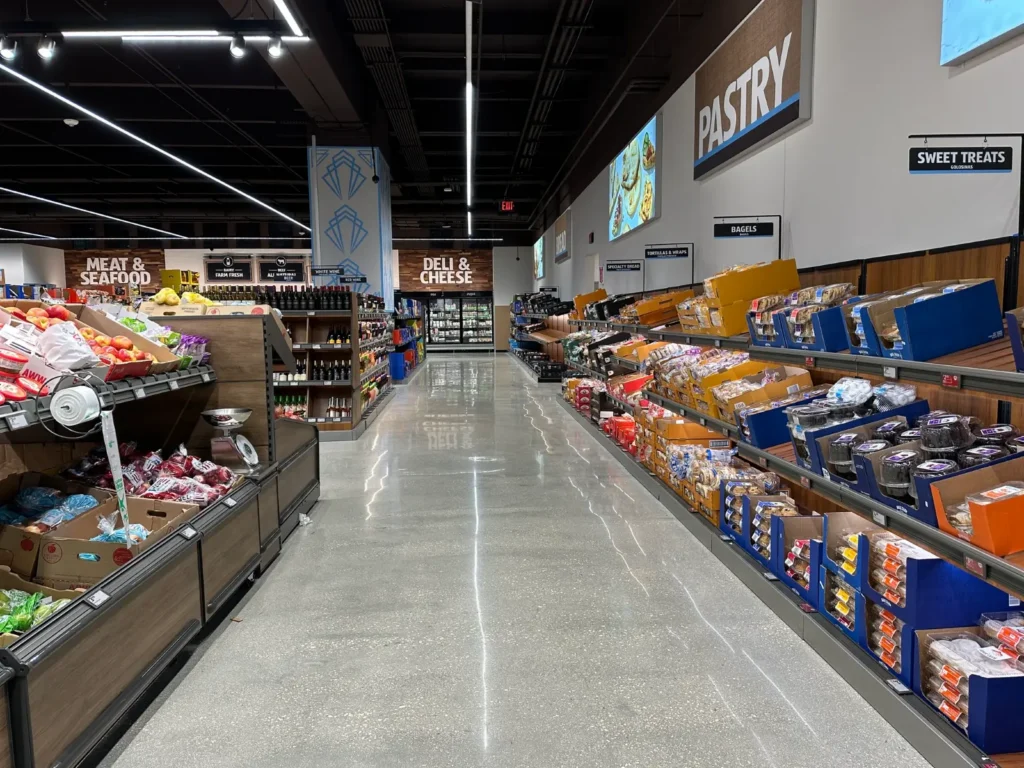
Not every department at Aldi is equally worth your money.
Some categories will make your jaw drop.
Others are fine but not dramatically different from anywhere else. Here’s how they break down.
Pantry Staples
This is Aldi’s strongest category for budget families.
Canned goods, pasta, rice, flour, sugar, oil, vinegar, beans, and condiments are all priced well below national brand equivalents.
Stock up here.
- Pasta (16 oz): ~$1.09–$1.29
- Canned diced tomatoes: ~$0.79–$0.89
- Canned beans (black, kidney, chickpea): ~$0.79–$0.99
- Olive oil (16.9 oz): ~$3.99–$4.99
- White rice (5 lb): ~$3.49–$3.99
Breakfast Items
Aldi’s Millville brand covers most breakfast staples well. Oats, cereals, frozen waffles, eggs, and butter are all solid buys.
- Large eggs (dozen): ~$2.99–$3.79 (prices vary widely)
- Quick oats (42 oz): ~$2.99
- Frozen waffles (10 ct): ~$1.99–$2.49
- Butter (1 lb): ~$3.49–$3.99
- Orange juice (52 oz): ~$2.99
Lunchbox Basics
Parents building school lunches will find good value in Aldi’s sliced deli meats, bread, cheese slices, applesauce pouches, and snack crackers.
- Sliced deli turkey or ham (9 oz): ~$3.49–$3.99
- Sandwich bread (20 oz): ~$1.49–$1.99
- American cheese slices (16 oz): ~$3.49
- Applesauce pouches (4-pack): ~$2.49–$2.99
- Goldfish-style crackers: ~$2.29
Budget Proteins
Meat and protein are where many families overspend. Aldi’s Kirkwood and Never Any! lines keep prices reasonable.
- Chicken thighs (family pack, ~4 lb): ~$5.99–$7.99
- Chicken breasts (family pack): ~$7.99–$9.99
- Ground beef 80/20 (1 lb): ~$4.99–$5.49
- Canned tuna (5 oz): ~$0.99–$1.19
Don’t forget eggs as a cheap protein too, already covered in breakfast, but they pull double duty at dinner.
Buy family packs of chicken and beef and freeze whatever you won’t use in two days.
That’s one of the smartest moves you can make at Aldi.
Frozen Foods
Aldi’s frozen section is genuinely strong for families.
Frozen vegetables, especially, are a great value, often cheaper than fresh and just as nutritious.
- Frozen broccoli or green beans (12 oz): ~$1.19–$1.49
- Frozen corn (16 oz): ~$0.99–$1.19
- Frozen pizza (large): ~$3.79–$4.99
- Frozen chicken nuggets (32 oz): ~$5.49–$6.49
- Frozen fish sticks: ~$4.49
Produce
Aldi’s produce prices are generally competitive, especially during peak season.
The quality is fine, roughly equivalent to mid-tier grocery store produce. The selection is limited compared to a full-service supermarket, so don’t expect specialty items.
Watch for seasonal deals. During peak summer, Aldi often prices fruit aggressively. Bananas are a consistent standout value year-round.
Dairy
Milk, yogurt, shredded cheese, cream cheese, and sour cream are all worth buying at Aldi.
The Friendly Farms brand is genuinely good; the Greek yogurt in particular holds up against Chobani, and the shredded cheese melts just fine.
- Whole milk (1 gallon): ~$3.49–$4.29 (varies by region)
- Shredded cheese (8 oz): ~$1.99–$2.49
- Greek yogurt cups: ~$0.79–$0.99 each
- Sour cream (16 oz): ~$1.49–$1.79
- Cream cheese (8 oz): ~$1.79–$1.99
Snacks
Aldi’s snack aisle is genuinely solid.
Crackers, pretzels, popcorn, trail mix, cookies, and fruit snacks are all there, and most are priced noticeably lower than name-brand versions at other stores.
Keep an eye on the seasonal snack section around holidays, Aldi loads up on treats that are hard to resist and priced well enough to justify a little stocking up.
Kid-Friendly Items
Picky eaters and school-age kids eat through a lot of food.
Aldi stocks several items that land well with kids without punishing the grocery budget:
- Mac and cheese (boxed): ~$0.69–$0.89
- Applesauce pouches (4-pack): ~$2.49–$2.99
- Animal crackers: ~$1.49
- Fruit cups (4-pack): ~$2.49
- String cheese (10-pack): ~$3.49–$3.99
- Gogurt-style yogurt tubes (8-pack): ~$2.49
Household Basics
Paper towels, toilet paper, dish soap, laundry detergent, and trash bags at Aldi are often priced well, especially compared to drugstore prices.
Quality varies — the paper towels and trash bags are acceptable, and the laundry detergent works fine for everyday loads.
These aren’t always dramatically cheaper than sales at Target or Costco, but if you need them and you’re already at Aldi, they’re a reasonable buy.
Sample Budget Aldi Grocery List for a Family of Four
The following list is designed for a family of four for approximately one week of groceries.
Prices are estimated based on national averages as of mid-2026 and will vary by location.
| Item | Qty | Est. Price |
|---|---|---|
| Large eggs (dozen) | 1 | $3.29 |
| Whole milk (1 gallon) | 1 | $3.79 |
| Butter (1 lb) | 1 | $3.79 |
| Shredded cheddar cheese (8 oz) | 2 | $4.58 |
| Greek yogurt cups | 6 | $5.34 |
| Chicken thighs, family pack (~4 lb) | 1 | $6.99 |
| Ground beef 80/20 (1 lb) | 2 | $10.38 |
| Canned tuna (5 oz) | 4 | $4.36 |
| Sliced deli turkey (9 oz) | 1 | $3.69 |
| Sandwich bread (20 oz) | 2 | $3.58 |
| Pasta (16 oz) | 3 | $3.57 |
| White rice (5 lb) | 1 | $3.79 |
| Canned diced tomatoes | 3 | $2.52 |
| Canned black beans | 3 | $2.67 |
| Frozen broccoli (12 oz) | 2 | $2.78 |
| Frozen corn (16 oz) | 2 | $2.18 |
| Bananas (bunch, ~2 lb) | 1 | ~$0.99 |
| Apples (3 lb bag) | 1 | $2.99 |
| Baby carrots (1 lb) | 1 | $1.49 |
| Onions (3 lb bag) | 1 | $2.49 |
| Quick oats (42 oz) | 1 | $2.99 |
| Frozen waffles (10 ct) | 1 | $2.19 |
| Applesauce pouches (4-pack) | 2 | $5.38 |
| String cheese (10-pack) | 1 | $3.79 |
| Snack crackers | 1 | $2.29 |
| Dish soap | 1 | $1.79 |
| Estimated Total | ~$92–$105 |
This list covers most breakfasts, lunches, and dinners for four people for a week, with some flexibility built in.
Your actual total will vary based on location, what’s on sale, and whether you already have pantry staples at home.
Suggested Weekly Grocery Budget for Aldi Families
These ranges are based on Aldi as your primary grocery store.
They assume you’re buying mostly staples, proteins, produce, and dairy, not specialty or organic items.
| Family Size | Estimated Weekly Budget |
|---|---|
| 1–2 people | $60–$90 |
| 3–4 people | $90–$140 |
| 5–6 people | $140–$195 |
| 7+ people | $195–$260+ |
These numbers are achievable but require a shopping list and a meal plan.
Shopping without a plan at any store pushes the total up significantly.
What to Buy at Aldi vs. What to Compare Elsewhere
Aldi wins in most categories, but not every category.
Here’s an honest breakdown:
| Category | Buy at Aldi? | Worth Comparing Elsewhere? |
|---|---|---|
| Eggs | ✅ Usually very competitive | Watch for sales at other stores |
| Milk | ✅ Generally a solid deal | Check warehouse clubs for large families |
| Shredded cheese | ✅ Strong value | — |
| Butter | ✅ Good price | Costco is better if you use a lot |
| Pasta and rice | ✅ Excellent value | — |
| Canned goods | ✅ Very competitive | — |
| Olive oil | ✅ Good deal | Costco wins on large bottles |
| Bread | ✅ Low price | Some families prefer specific brands |
| Chicken thighs | ✅ Good value | Check weekly meat sales elsewhere too |
| Ground beef | ✅ Acceptable price | Warehouse clubs often cheaper per pound |
| Frozen vegetables | ✅ Strong deal | — |
| Produce | ✅ Competitive in season | Ethnic grocery stores are often better |
| Cereal | ✅ Millville is solid | If you’re loyal to a specific brand |
| Snack crackers | ✅ Great value | — |
| Specialty / ethnic items | ❌ Very limited selection | Ethnic grocery stores are much better |
| Fresh seafood | ❌ Limited, varies by store | Better selection elsewhere |
| National brand items | ❌ Mostly not available | Shop elsewhere for specific brands |
| Organic produce | ✅ SimplyNature line, limited | Trader Joe’s or Whole Foods for more variety |
Aldi Staples Every Budget Family Should Keep on Hand
If you shop at Aldi regularly, these are the items worth buying consistently to build a well-stocked kitchen:
Pantry:
- Pasta (multiple varieties)
- White and brown rice
- Canned tomatoes (diced, crushed, paste)
- Canned beans (black, kidney, chickpea)
- Chicken or vegetable broth
- Olive oil and vegetable oil
- Soy sauce and hot sauce
- Peanut butter
- Dried lentils
Protein:
- Frozen chicken thighs or breasts
- Ground beef or ground turkey
- Canned tuna
- Eggs
Dairy:
- Milk
- Butter
- Shredded cheese
- Sour cream or cream cheese
Produce:
- Onions
- Garlic
- Carrots
- Bananas
- Whatever is in season
Frozen:
- Broccoli
- Corn
- Mixed vegetables
- Peas
With these on hand, you can make dozens of different meals without a special shopping trip.
What to Skip or Be Careful Buying at Aldi
Aldi isn’t the right call for everything.
A few categories are worth a second thought when money is tight.
Aldi Finds When You’re Broke
The rotating non-food aisle is where budgets go to die.
A $14.99 cast iron skillet or a $29.99 air fryer feels like a deal (and it might genuinely be one), but if it wasn’t in your grocery budget, it still costs money you may not have.
Make it a rule: if it wasn’t on your list and you didn’t plan for it, put it back.
If there’s something you genuinely need (a kitchen tool, a school supply, outdoor furniture), look it up before you get to the store and decide in advance whether to buy it.
Fresh Meat Quality Can Vary
Chicken and ground beef at Aldi are generally fine, but the packaging sometimes results in more moisture or variability than you’d see at a butcher counter.
For everyday cooking, it works. If you’re cooking for a special occasion or you’re particular about your meat, compare prices at a regular grocery store that week.
Specialty Ingredients Aren’t There
If a recipe calls for fish sauce, tahini, specific Asian pantry staples, fresh herbs beyond basics, or specialty cheeses, Aldi probably doesn’t have it.
Don’t plan a recipe around an ingredient you haven’t confirmed Aldi carries.
Some Produce Doesn’t Last as Long
A few customers notice that Aldi’s produce, particularly berries, bagged salad greens, and pre-cut fruit, can have a shorter shelf life than expected.
Buy produce you’ll use within a few days first.
Save the longer-lasting items (apples, carrots, cabbage, potatoes) for the end of the week.
Beer and Wine Pricing Isn’t Always the Best Deal
Aldi’s Winking Owl wine and basic beer are priced low, but if alcohol is on your list, compare prices at your state’s liquor stores or other retailers.
Depending on where you live, the savings may be minimal.
Smart Aldi Meal Planning Tips for Families
Without a meal plan, Aldi can feel like you’re always buying food but never quite having the right ingredients.
Here’s how to actually make it work.
Plan Five or Six Meals, Not Seven
Life happens. Someone gets sick, you work late, and a friend invites you over.
If you plan meals for every single night and then life interrupts, food goes to waste.
Plan five or six meals and let the remaining nights be “clean out the fridge” or “freezer meal” nights.
Plan Around One or Two Proteins Per Week
Instead of buying five different proteins, buy two and cook them multiple ways.
A family pack of chicken thighs can become:
- Sheet pan chicken with roasted vegetables (Monday)
- Chicken tacos with shredded cabbage (Wednesday)
- Chicken fried rice using leftover rice (Friday)
That’s three different meals from one protein purchase.
Use Pantry Staples as Meal Extenders
Canned beans, pasta, rice, and canned tomatoes can stretch a small amount of meat into a full meal.
A single pound of ground beef goes much further in pasta with meat sauce or a big pot of chili than it does as burgers.
Double Recipes and Freeze Half
If you’re already making a pot of soup, chili, or baked pasta, make double.
Freeze half in a labeled container.
On the nights when you’re too tired to cook, you’ll have something real in the freezer instead of ordering out.
Keep One “No-Cook” Meal Per Week
Deli meat sandwiches, cheese and crackers with fruit, or cereal for dinner are legitimate options when you’re exhausted.
Planning for one of these per week removes the guilt and keeps you from caving to takeout.
Simple Meal Ideas from One Aldi Grocery Haul
Here’s what one realistic Aldi haul (roughly the sample list above) can produce in a week:
Breakfast options:
- Scrambled eggs with toast
- Oatmeal with banana and a drizzle of honey
- Frozen waffles with peanut butter
- Greek yogurt with granola
Lunch options:
- Turkey sandwiches with carrots and applesauce pouches
- Peanut butter and banana sandwiches
- Tuna salad on crackers
- Leftover dinner from the night before
Dinner options:
- Baked chicken thighs with roasted broccoli and rice
- Pasta with meat sauce (ground beef + canned tomatoes + pasta)
- Chicken taco bowls (shredded chicken + rice + black beans + sour cream + shredded cheese)
- Ground beef and vegetable stir fry over rice
- Black bean soup with cornbread (pantry staples + canned beans)
- Sheet pan sausage and vegetables (if Aldi Finds had smoked sausage that week)
- Fried rice using leftover rice, eggs, and frozen vegetables
That’s a full week of breakfasts, lunches, and dinners for a family of four from one manageable shopping trip.
Lunchbox and Kid Snack Ideas Using Aldi Items
School lunches and after-school snacks are a real cost.
Here’s how to build both from Aldi without losing your mind:
Lunchbox Builds That Actually Get Eaten
- Turkey or ham sandwich + string cheese + applesauce pouch + a handful of crackers
- PB&J on sandwich bread + mini carrots + fruit cup
- Cream cheese roll-up on a flour tortilla + grapes + pretzels
- Thermos of leftover pasta + crackers + banana
- Cheese crackers and deli turkey “snack plate” + apple slices
After-School Snack Ideas
- String cheese + fruit
- Crackers with peanut butter
- Greek yogurt with a few berries
- Apple slices
- Popcorn (Aldi’s bagged microwave popcorn is cheap and good)
- Goldfish-style crackers from Aldi’s Savoritz line
If you portion snacks into containers on Sunday, you save the “what can I eat” conversation three times a day and keep kids from hunting through the pantry for whatever they can find.
Tips for Avoiding Impulse Buys at Aldi
Aldi moves fast, but that doesn’t mean your wallet is safe.
The store is small, the prices look good on everything, and it’s easy to throw things in the cart that weren’t on your list.
A few habits help.
Write your list by store section. Produce, dairy, meat, frozen, pantry. Go through each section in order and don’t backtrack. Backtracking through aisles leads to picking up things you don’t need.
Give yourself one “wild card” item. If you go to Aldi and tell yourself you can spend $5 on anything fun, you’re less likely to throw six things in the cart. One treat item, chosen deliberately, scratches the itch without derailing the budget.
Don’t browse the Aldi Finds aisle until the end. And only go in if you actually have money left over. Set a clear dollar limit before you walk in — $10, $20, whatever fits your budget that week.
Leave the kids at home when possible. This is obvious and sometimes impossible, but a solo Aldi trip is a faster and more focused one.
Stick to cash or a prepaid debit card. Some families find it easier to stay on budget when they can physically see the money running out.
Using Aldi Weekly Ads, Markdowns, Seasonal Deals, and Aldi Finds Wisely
The Weekly Ad
The Aldi weekly ad drops every Wednesday.
It previews sales for the following week, so you have a few days to plan your meals before prices change.
Check it at Aldi.us or on their app before you shop. Look specifically for featured meats, produce deals, and any pantry staples on promotion.
In-Store Markdowns
Aldi marks down near-expiration items, usually with a yellow sticker. These are great buys if you plan to use them that day or can freeze them immediately.
Check the meat and bakery sections for these.
Seasonal Deals
Aldi runs seasonal promotions around back-to-school, Thanksgiving, Christmas, and summer.
These often include great prices on baking supplies, holiday proteins, and specialty items.
If you know you’ll need a large turkey or ham, check Aldi a couple of weeks before the holiday, not the night before.
Aldi Finds: A Budget Family’s Rules
Aldi Finds are genuinely useful sometimes.
A cast iron pan, a good set of kitchen knives, or an outdoor grill at Aldi Finds pricing can be a real value.
But for families on a tight budget, stick to these rules:
- Only buy it if you needed it before you walked into the store
- Make sure it fits in your non-food budget for the week — not your grocery money
- Don’t assume it’s a deal just because it’s at Aldi — check prices on Amazon or Google first
- Once it’s gone, it’s gone. But so is your money if you buy something you don’t need
Substitutions When Aldi Items Are Unavailable or Out of Stock
Aldi has a limited inventory.
If something isn’t there, here’s how to adapt:
| Aldi Item Missing | What to Do Instead |
|---|---|
| Chicken thighs out of stock | Swap for chicken drumsticks or bone-in breasts — cheaper cuts that cook the same way |
| Fresh produce not available | Frozen vegetables are just as nutritious and honestly easier to use on busy nights |
| Specific pasta shape not there | Another shape works fine in most recipes — penne, rotini, and rigatoni are interchangeable |
| Favorite cereal out | Try a different Millville variety, or fall back on quick oats — cheaper anyway |
| Bread gone | Pick up flour tortillas or pita instead — often cheaper and more versatile |
| Ground beef expensive that week | Canned lentils or beans can stretch or replace ground beef in many dishes |
| Eggs priced high at Aldi | Compare at Dollar General or a nearby discount store that week |
| Aldi Finds item sold out | It won’t come back. Check Amazon, Facebook Marketplace, or wait for next year’s rotation |
Common Mistakes Families Make When Shopping at Aldi
Going Without a List
This is the single biggest mistake.
Aldi is small and efficient, but without a list, you’ll leave with a random assortment of things that don’t form meals.
Assuming Everything at Aldi Is Cheap
Most things are, but not everything.
Some specialty items (organic options, European cheeses, premium cuts of meat) can be priced similarly to other stores.
Check unit prices on everything before assuming it’s a deal.
Ignoring Unit Pricing
A bigger package isn’t always cheaper per unit.
Check the shelf tag’s unit price, especially for items like cereal, cleaning supplies, and snacks.
Not Buying Enough When Something Is Cheap
If chicken thighs are on sale and you have freezer space, buy two packs.
Aldi rotates sales, and a great price this week may not be there next week.
Buying Aldi Finds Instead of Food
It happens to everyone at least once.
You spend $40 on a waffle maker, a throw pillow, and a specialty cheese board when you needed that money for proteins and produce.
Aldi Finds are in the store to sell; they’re not automatically a good idea for your household.
Not Adjusting Meal Plans Mid-Week
If the produce you bought is going to go bad before you planned to use it, change the meal plan.
Move that meal up. Letting food spoil is the most expensive grocery mistake there is.
Shopping Only at Aldi
Aldi is excellent for staples, proteins, dairy, and frozen foods.
But ethnic grocery stores, dollar stores (for specific canned goods), and warehouse clubs can still beat Aldi on certain items.
The smartest budget shoppers use Aldi as their primary store and supplement strategically.
Final Thoughts
Aldi can realistically save a family of four hundreds of dollars per month compared to shopping at a full-service supermarket. But that only happens when you show up with a plan.
A list helps. A rough meal plan helps. Knowing which categories give you the best value helps. And accepting that Aldi won’t have everything, and that’s totally fine, takes the stress out of it.
You don’t have to become an extreme couponer or follow a rigid budget spreadsheet. You just need to walk in knowing what you need, have a loose idea of what you’re making that week, and leave the Aldi Finds aisle with your grocery money still intact.
The families who get the most out of Aldi aren’t the ones who stumbled on it and got lucky.
They’re the ones who learned how the store works, figured out which products their family actually likes, and built a routine around it.
That routine is available to any family willing to try it.
Start with one trip. Bring your quarter, bring your bags, bring your list. See what it comes to. Then do it again.
Last updated: June 2026. Prices listed are estimated national averages and will vary by region, season, and store. Always verify current pricing at your local Aldi.
