
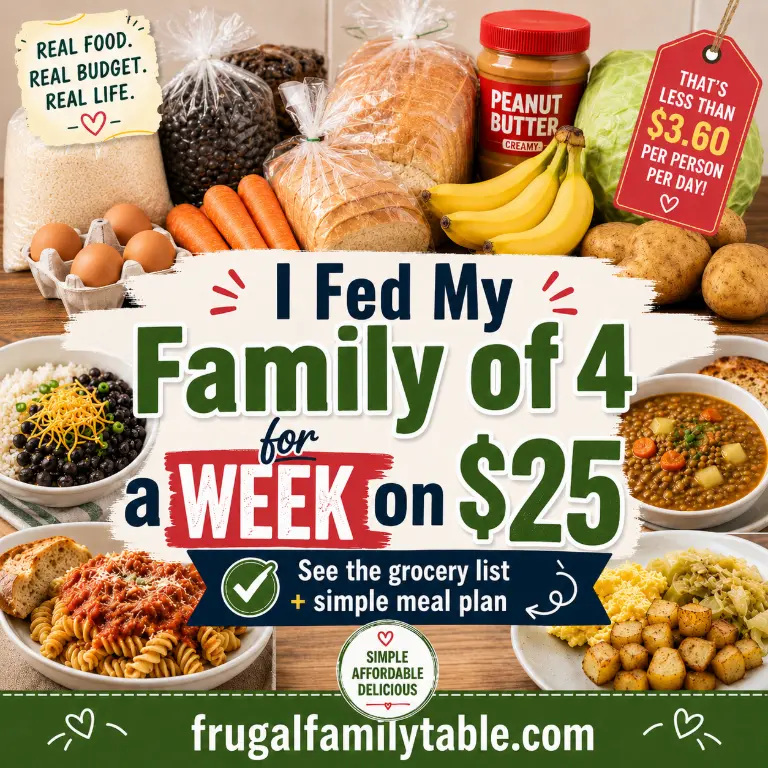
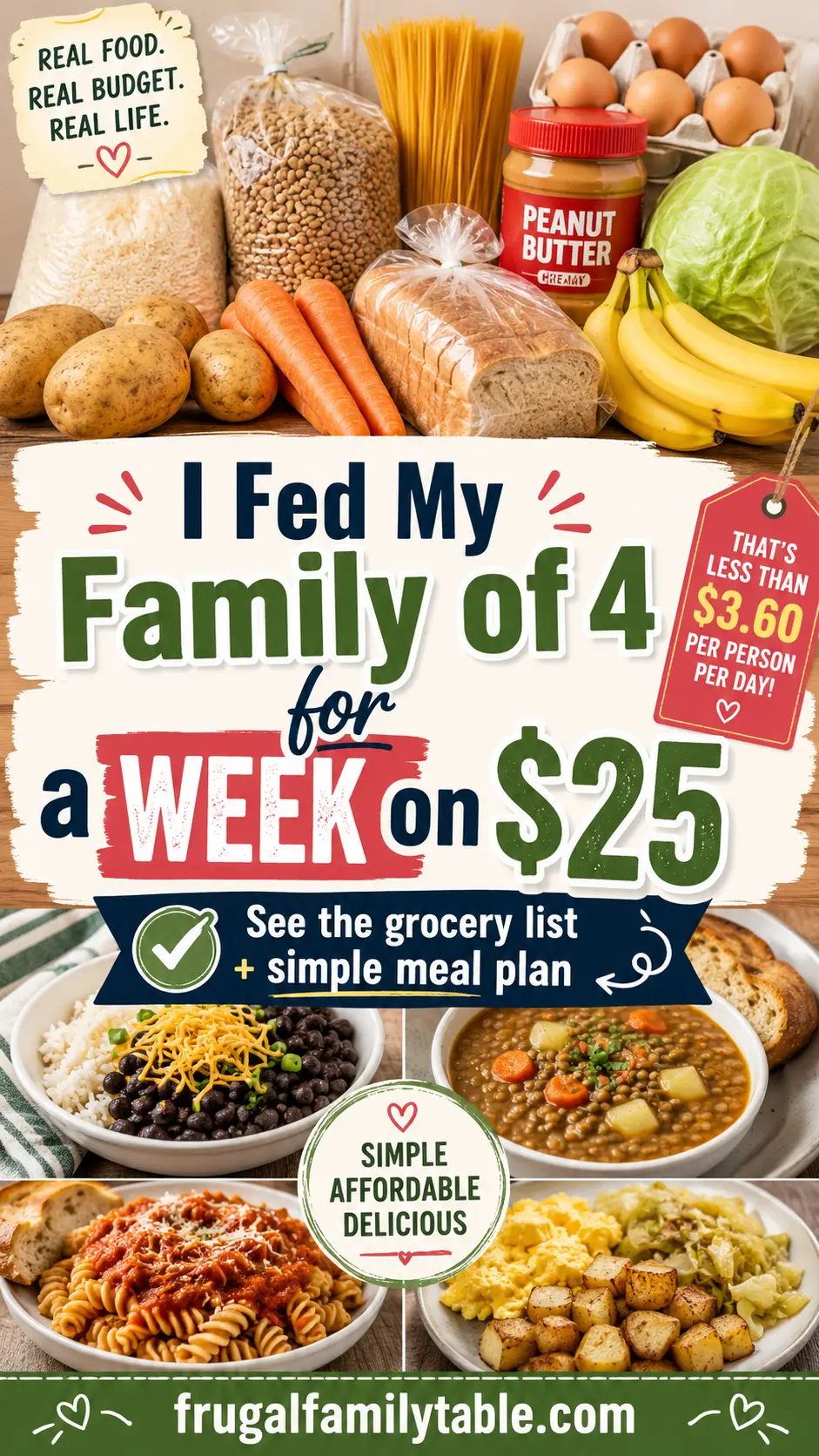
$25 Grocery Challenge: What I Made for a Family of 4 in One Week
You grab a few things at the store (some bread, milk, a pack of chicken) and suddenly you’re staring at a $150 receipt.
Happens every time.
If that checkout moment makes your stomach drop a little, you’re not alone. Groceries are expensive, and for families trying to stretch every dollar, the pressure is real.
So I took on the $25 grocery challenge for a family of four: one week, $25, no eating out.
Could we eat? Yes. Would it be easy or pretty? No. This is not a feel-good “budget cooking is so fun!” article.
It’s an honest walkthrough of what you can actually buy, what you can realistically cook, and where the week gets rough.
If you’re waiting on payday, recovering from an unexpected bill, or just want to understand how low your grocery floor actually is, this is for you.
$25 Grocery Challenge: Can You Actually Feed a Family of 4 for One Week?
Let’s do the math first.
Twenty-five dollars for four people over seven days is less than $1 per person per day.
That’s 90 cents a day. It’s tight in a way that doesn’t leave room for mistakes, impulse buys, or anything remotely convenient.
The short answer is yes, you can feed your family on $25 for a week.
But it only works under specific conditions: you already have basic pantry staples, you’re willing to cook from scratch every single day, and everyone at the table is at least somewhat flexible about eating simple, repetitive meals.
Grocery prices also swing a lot depending on where you live.
A 5-pound bag of rice at a WinCo in Utah costs less than the same bag at a grocery store in downtown Chicago.
The prices in this article are ballpark estimates based on budget stores like Aldi, Walmart, and ethnic grocery markets.
Your totals will vary, sometimes by a few cents, sometimes by a few dollars.
The Rules for This Challenge
To keep things consistent and honest, here’s exactly how this challenge was set up:
- Family of 4 (2 adults, 2 kids)
- 7 full days — breakfast, lunch, and dinner every day
- Basic pantry staples are already at home (more on that below)
- No eating out, no takeout, no vending machines
- Leftovers get used — nothing goes to waste
- Meals are simple and repetitive — this is not a variety week
- All prices are estimates; yours may differ
Pantry Staples You’ll Need on Hand
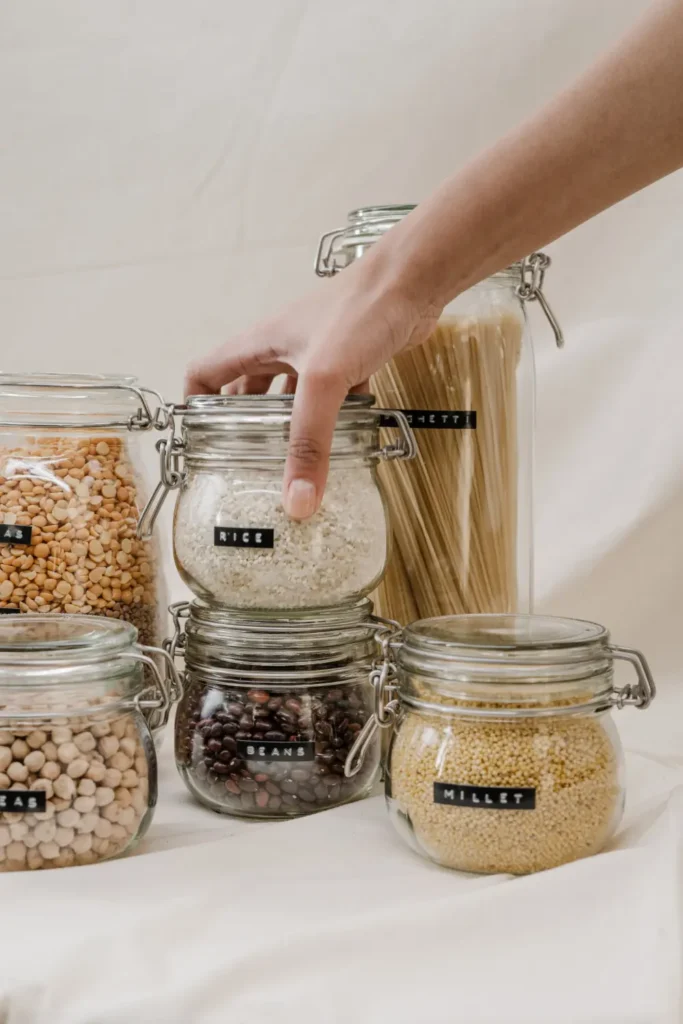
The $25 shopping list doesn’t include these items; they’re assumed to already be sitting in your kitchen.
If you’re completely out of them, you’ll need a few extra dollars to pick up small amounts.
- Salt and black pepper
- Cooking oil (vegetable or canola)
- Basic spices: garlic powder, onion powder, cumin, or paprika
- Small amounts of flour and sugar
- Butter or margarine
- Soy sauce or hot sauce (optional, but really helps)
- Ketchup or mustard
The $25 Grocery Shopping List
Shop at Aldi, Walmart, WinCo, Grocery Outlet, or your local ethnic grocery market for the best prices on everything below.
| Item | Est. Price | What It’s For |
|---|---|---|
| Rolled oats (42 oz canister) | $3.50 | Breakfast oatmeal most mornings |
| White rice (5 lb bag) | $3.00 | Base for lunch and dinner |
| Dried pinto beans or lentils (2 lb) | $2.00 | Main protein through the week |
| Eggs (1 dozen) | $2.50 | Scrambles, egg fried rice |
| Pasta, 2 lb (spaghetti or penne) | $1.50 | Two dinner nights |
| Canned diced tomatoes (2 cans, 14.5 oz) | $1.80 | Pasta sauce, soup base |
| Potatoes (5 lb bag) | $3.00 | Soup, hash, side dish |
| Cabbage (1 medium head) | $1.50 | Stir-fry, soup, side |
| Carrots (2 lb bag) | $1.50 | Soup, stir-fry, snack sticks |
| Bananas (1–2 lbs) | $0.90 | Morning fruit, kids’ snack |
| Peanut butter (16 oz jar) | $2.50 | Toast, sandwiches, oatmeal mix-in |
| Bread (1 standard loaf) | $1.50 | Toast and sandwiches |
| TOTAL | ~$25.20 | Drop bananas if you’re over budget |
How the $25 Breaks Down by Category
| Category | Items | Est. Cost | % of Budget |
|---|---|---|---|
| Grains & Starches | Oats, Rice, Pasta, Bread | $9.50 | 38% |
| Protein | Eggs, Beans/Lentils, Peanut Butter | $7.00 | 28% |
| Produce | Potatoes, Cabbage, Carrots, Bananas | $6.90 | 28% |
| Canned Goods | Diced Tomatoes ×2 | $1.80 | 7% |
| TOTAL | — | ~$25.20 | 100% |
Over a third of the budget goes to grains and starches because they’re the most filling per dollar.
Protein is the hardest category to cover well at $25, which is why eggs, beans, and peanut butter are doing all the heavy lifting this week.
The Full 7-Day Meal Plan
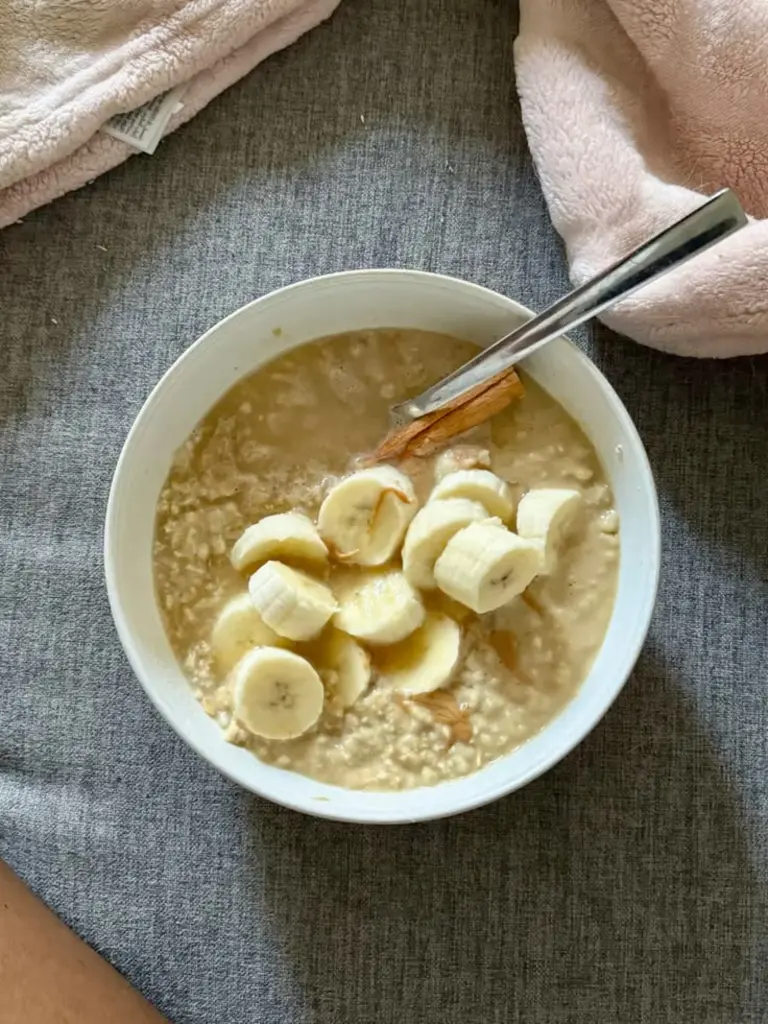
Meals repeat.
That’s intentional, repeating cuts waste and stretches every ingredient further.
If your family can handle a week of simple, overlapping meals, this plan works.
| Day | Breakfast | Lunch | Dinner | Leftovers / Notes |
|---|---|---|---|---|
| Day 1 — Mon | Oatmeal with banana slices | Peanut butter toast + carrot sticks | Rice and beans with shredded cabbage | Cook a full pot of beans tonight; you’ll use it all week |
| Day 2 — Tue | Scrambled eggs on toast | Leftover rice and beans | Pasta with tomato sauce + cabbage slaw | Save extra pasta for tomorrow’s lunch |
| Day 3 — Wed | Oatmeal with peanut butter stirred in | Leftover pasta with tomato sauce | Potato and carrot soup with beans | Make a big pot — save half for tomorrow |
| Day 4 — Thu | Egg fried rice (cold rice + egg) | Leftover potato soup | Lentil rice bowl with sautéed cabbage | Use up the beans or switch to lentils |
| Day 5 — Fri | Oatmeal with banana | Peanut butter and banana sandwich | Pasta with beans in tomato sauce | Open the second can of tomatoes tonight |
| Day 6 — Sat | Potato and egg hash | Cabbage and carrot stir-fry over rice | Bean and rice soup with bread | Finish the cabbage and carrots |
| Day 7 — Sun | Oatmeal | Peanut butter toast + carrot sticks | Leftover soup + rice + remaining bread | Clean-out day — use everything left |
What I Made Each Day (And How)
Day 1 — Building the Base
Day 1 is all about setup. Soak your dried beans overnight if you can; it cuts cook time in half, and they turn out better.
If you forgot, do a quick boil: cover with water, bring to a boil for 2 minutes, then let sit for an hour before draining and cooking fresh.
Season with salt, garlic powder, and cumin. This one pot will carry you through several dinners and lunches.
Serve the first meal as rice and beans with raw shredded cabbage on top
Simple? Absolutely. Filling? Yes.
Breakfast is plain oatmeal with banana slices; cook a bigger batch if anyone wants seconds, because the oats are cheap enough that this is one place you don’t need to be stingy.
Day 2 — Using the Eggs
Scrambled eggs feel like a real breakfast after two oatmeal days — 3 eggs split four ways is thin, but it works with toast.
For lunch, just reheat the leftover beans and rice.
Dinner is pasta cooked al dente and tossed with one can of diced tomatoes, oil, salt, and whatever spices you have.
A side of shredded raw cabbage with a splash of vinegar and salt is a surprisingly decent coleslaw for zero extra cost.
Day 3 — Potato Soup Day
Try stirring a big spoonful of peanut butter into hot oatmeal; it sounds weird, tastes good, and keeps kids full until lunch.
Some kids love it.
Tonight’s dinner is potato and carrot soup: chop both, simmer in water with beans added for protein, and season well.
This pot makes a lot, and it’s genuinely warming and filling. Make enough for Day 4 lunch without even thinking about it.
Day 4 — Egg Fried Rice
Cook a little extra rice on Day 3 and refrigerate it overnight; cold leftover rice is what makes egg fried rice actually work.
Heat oil in a pan, scramble an egg or two, throw in the cold rice, add salt, stir-fry until it gets a little crispy on the edges.
It’s one of the best budget breakfasts there is. Lunch is the leftover potato soup.
Dinner is lentils over rice with sautéed cabbage; the cabbage goes sweet and slightly caramelized when you cook it slowly in a little oil, which makes it much more appealing than raw.
Day 5 — The Peanut Butter Day
Peanut butter shows up three times today, which is a lot, but it earns it.
It’s on toast at breakfast, in a sandwich with banana at lunch, and then dinner gets a break from it: pasta with the remaining beans stirred into the second can of tomatoes.
Beans in pasta sauce sounds wrong the first time, but it makes the meal genuinely more filling and adds enough texture that you stop noticing there’s no meat.
Day 6 — Stir-Fry Saturday
Dice cold potatoes and fry them in oil until crispy, then crack an egg over the top and scramble it into the hash — this is a weekend breakfast that feels almost indulgent compared to oatmeal.
Lunch is a quick cabbage and carrot stir-fry over rice; high heat, a little oil, salt, or soy sauce if you have it, done in ten minutes.
Dinner is a bean and rice soup, basically finishing off the bean pot with water and spices, served with whatever bread is left.
Day 7 — Clean-Out Sunday
Last day. Oatmeal for breakfast.
Peanut butter toast and carrot sticks for lunch. Dinner is whatever’s left. Reheat the soup, serve with rice, and tear up the remaining bread to dip in the broth.
Nothing goes in the trash. The week is done.
Estimated Cost Per Meal
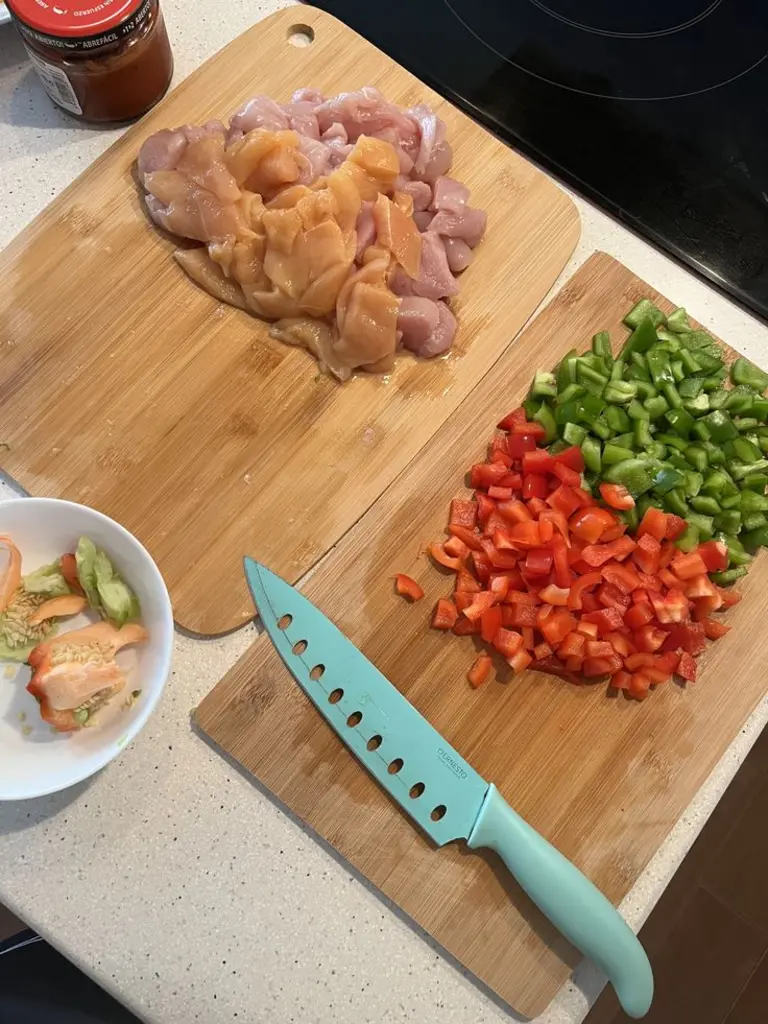
These are rough averages based on a $25 spread across 84 total servings (3 meals × 4 people × 7 days).
Costs will shift based on what you pay at your store.
| Meal Type | Family of 4 Cost | Per Person |
|---|---|---|
| Breakfast (oatmeal or toast) | $0.60 – $0.85 | $0.15 – $0.21 |
| Lunch (leftovers or sandwiches) | $0.75 – $1.00 | $0.19 – $0.25 |
| Dinner (rice + beans / pasta / soup) | $1.25 – $2.00 | $0.31 – $0.50 |
| Daily total (family of 4) | $2.60 – $3.85 | $0.65 – $0.96 |
What Worked Well
- Cooking one big pot of beans on Day 1 paid off all week — that’s the single most important step in this plan
- Rice, oats, beans, and potatoes actually keep you full — they’re not glamorous, but they work
- Cabbage is a genuinely underrated budget vegetable; one head lasts all week and goes into four different meals
- Egg fried rice turns a breakfast problem (nothing exciting left) into something the kids actually ask for
- Pasta with beans in tomato sauce fills a plate without feeling like you’re missing meat once you’re used to it
- Repeating meals means zero food gets thrown out — every bit of cost goes into someone’s stomach
What Was Hard About the $25 Grocery Challenge
Worth being straight about the rough parts, because there are several:
- The repetition wears on everyone. By Thursday, your family will know what dinner looks like before you say a word. Some kids handle that fine; others really struggle.
- Fresh fruit is basically gone by midweek. One bunch of bananas for four people over seven days is not much — kids will notice.
- Protein is genuinely low. Eggs, beans, and peanut butter get you there on some days but not all. Anyone who exercises or has a physical job will feel the gap.
- Everything has to be cooked from scratch, every day. There’s nothing to grab quickly. Tired evenings still mean actual cooking, which is harder than it sounds after a full day.
- Picky eaters make this much harder. If your kids won’t touch beans or oatmeal, the whole plan falls apart. This is not the week to introduce big new foods.
- This week is not nutritionally complete. No dairy, minimal fresh fruit, limited variety in protein sources. Fine for a week; not fine as a long-term plan.
- Teenagers and active adults will likely be hungry. Smaller portions built around starches don’t carry 14-year-olds or adults with physical jobs through a full day.
Tips That Actually Make the Challenge Work
- Check your pantry before you shop. Every spice, oil, or condiment you already have is free money staying in your $25.
- Every meal needs a starch and a protein. Rice + beans. Pasta + eggs. Potatoes + lentils. That combination is your framework all week.
- Cook dinner for tomorrow’s lunch. Making double at dinner means lunch is already done — no extra time, no extra cost.
- Cook dried beans in bulk on Day 1. Dried beans are far cheaper than canned. One big cook session handles protein for most of the week.
- Skip all drinks, snacks, and anything in a wrapper. Juice, chips, and granola bars will eat through $25 in a single shopping trip. Water is the drink this week.
- Cabbage, carrots, and potatoes are your best vegetables. They last the full week without going bad, they’re cheap, and they go into almost anything.
- Buy store brand for everything. Generic rolled oats, store-brand peanut butter, and off-brand pasta are identical to the name-brand versions and often $0.50–$1 cheaper per item.
- Compare by unit price, not package price. The bigger bag is almost always cheaper per ounce. Always check the shelf tag.
- Freeze bread if it’s going stale. Day 5 and 6 bread that won’t survive freezing fine and thaws for toast or soup-dipping on Day 7.
Substitutions When Prices Are Higher at Your Store
| If This Costs Too Much | Buy This Instead | Why It Works |
|---|---|---|
| Eggs | Extra dried lentils or beans | Even cheaper per gram of protein; also provides iron |
| Bread loaf | Flour tortillas or extra rice | Tortillas cost less per serving; rice is the cheapest filler available |
| Fresh vegetables | Frozen mixed vegetables (16 oz bag) | Often cheaper and just as nutritious — sometimes more so |
| Bananas | Store-brand applesauce or whatever fruit is on sale | Gives kids something sweet; seasonal fruit is often very cheap |
| Canned diced tomatoes | Small can of tomato paste + water | One small can of paste + 1–2 cups water makes a full sauce |
| Name-brand peanut butter | Store-brand peanut butter | Same nutrition, often $0.50–$1.00 less |
| Pinto beans (dried) | Split red lentils | No soaking needed, cook in 20 minutes, equally cheap and versatile |
| Potatoes | Extra rice or pasta | Rice and pasta cost less per serving than potatoes in most stores |
What to Add If You Have an Extra $5, $10, or $15
Extra $5 — More Nutrition, Less Monotony
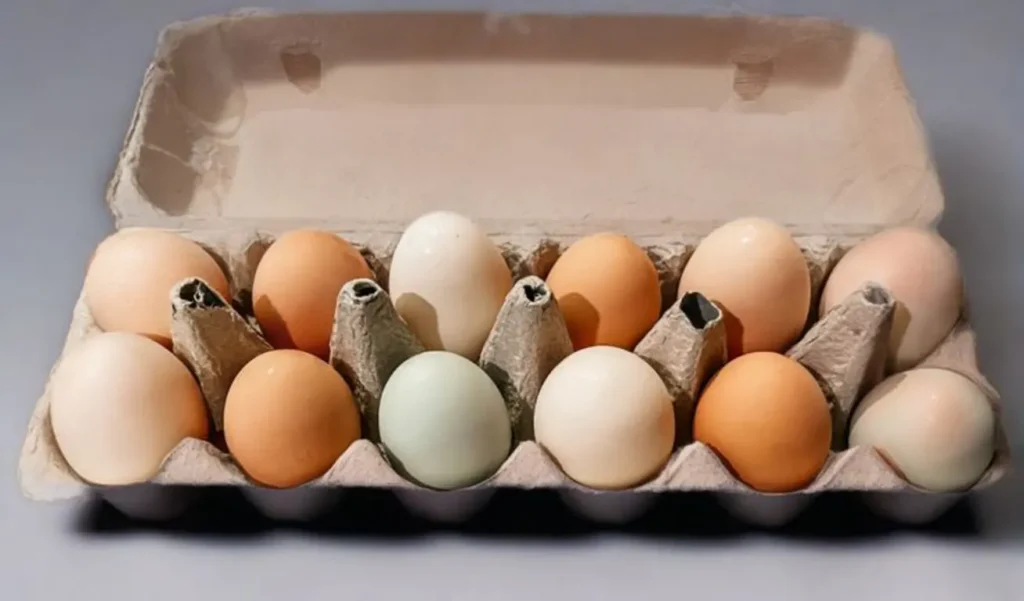
- A second dozen eggs — makes a bigger difference than anything else at this price
- A bag of apples or more bananas so kids have fruit every day
- A bag of frozen mixed vegetables to add color and vitamins to soups and stir-fries
- Two onions — they cost almost nothing and make every savory dish taste noticeably better
Extra $10 — Real Protein and Dairy
- A package of bone-in chicken thighs (the cheapest cut) feeds the family for two dinners if you stretch it
- A block of store-brand cheddar cheese; it melts into pasta, rice, and beans, and makes everything feel more complete
- A small container of plain yogurt for a different breakfast option
- Apples or oranges for the second half of the week
Extra $15 — A Real Nutritional Upgrade
- A whole chicken or 2 lbs of thighs — enough protein for 2–3 proper dinners
- A gallon of milk for the kids
- A bag of broccoli or spinach to add variety and iron
- A small can of tuna is a quick, high-protein lunch that takes 2 minutes
- Enough fruit that everyone gets something fresh every day
Is This $25 Grocery Challenge Actually Healthy?
For one week, this plan keeps a family fed with enough energy to get through the day.
Oats, beans, and potatoes provide real fiber and carbohydrates. Peanut butter and eggs add fat and some protein. The carrots and cabbage contribute vitamins A and K.
But there are real gaps, especially for kids:
- No dairy. No milk, no cheese, no yogurt. Kids who are still growing need calcium, and this week doesn’t provide it.
- Very little vitamin C. Bananas are mostly gone by midweek, and there’s no citrus. Cabbage and potatoes have small amounts, but not enough.
- No vitamin D. Almost completely absent from this plan.
- Protein variety is limited. Plant proteins from beans and peanut butter are good, but without eggs or meat, the amino acid profile is incomplete on some days.
- May not be enough calories for teenagers, nursing moms, or anyone doing physical work.
Use the $25 challenge as a short-term reset, not as a template for every week.
Frequently Asked Questions
Can a family of 4 really eat for $25 a week?
Yes, but it’s genuinely hard. It requires cooking from scratch every day, eating repetitive meals, and having pantry staples already on hand. Think of it as a floor — the minimum you can spend while still feeding everyone — not a goal to aim for long-term.
What pantry staples are assumed?
Salt, pepper, cooking oil, basic spices (garlic powder, cumin, paprika), small amounts of flour and sugar, butter or margarine, and condiments like ketchup. If you’re out of all of these, budget an extra $5–$10 to pick up small quantities.
What store is best for this challenge?
Aldi and WinCo are consistently the cheapest for staples like oats, rice, dried beans, and eggs. Walmart is a close second. Ethnic grocery markets (Asian, Latin American, Middle Eastern) often have the best prices on rice, dried beans, and spices in bulk. Avoid regular grocery chains — the markup on basics is significant.
How do I make this work with picky eaters?
Focus the week around foods your kids already eat. Most kids will tolerate pasta, peanut butter toast, and scrambled eggs. Don’t use a financial stress week to push new foods — that’s a battle you don’t need right now. Save the food experiments for a week when the pressure is off.
What should I add first if I have a little extra money?
More eggs, hands down. A second dozen costs about $2.50 and adds protein to multiple meals. After that: more fruit for the kids, then a package of chicken thighs for real dinner protein.
Is this plan good for long-term use?
No. It’s missing dairy, has minimal fresh fruit, and doesn’t meet full nutritional needs for growing kids or active adults. Use it as a one-week reset or emergency plan, then bring your grocery budget back up as soon as you’re able.
Can I do this without beans or lentils?
You can try, but the plan gets harder. Beans are the cheapest protein in this budget by far. Without them, you’d need more eggs or peanut butter — both of which have limits on how much a family will eat in a week. If beans are the issue, red lentils are a good alternative: they cook fast (no soaking), taste mild, and are just as cheap.
Final Thoughts
The $25 grocery challenge isn’t a fun experiment.
It’s not a Pinterest project. It’s a week of plain, repetitive meals that require real effort every single day.
But it does something useful: it shows you how little you actually need versus how much you’ve gotten used to spending.
If you try it for a week, as a reset, as a response to a financial emergency, or just to understand what’s actually possible, you’ll likely come away with a clearer picture of your real grocery floor.
And that knowledge is worth something the next time you’re at the store deciding what to skip.
Feeding a family on a tight budget is hard. You’re not failing if meals are simple this week. You showed up, you cooked, and you kept your family fed.
That’s enough. Progress, not perfection.
