
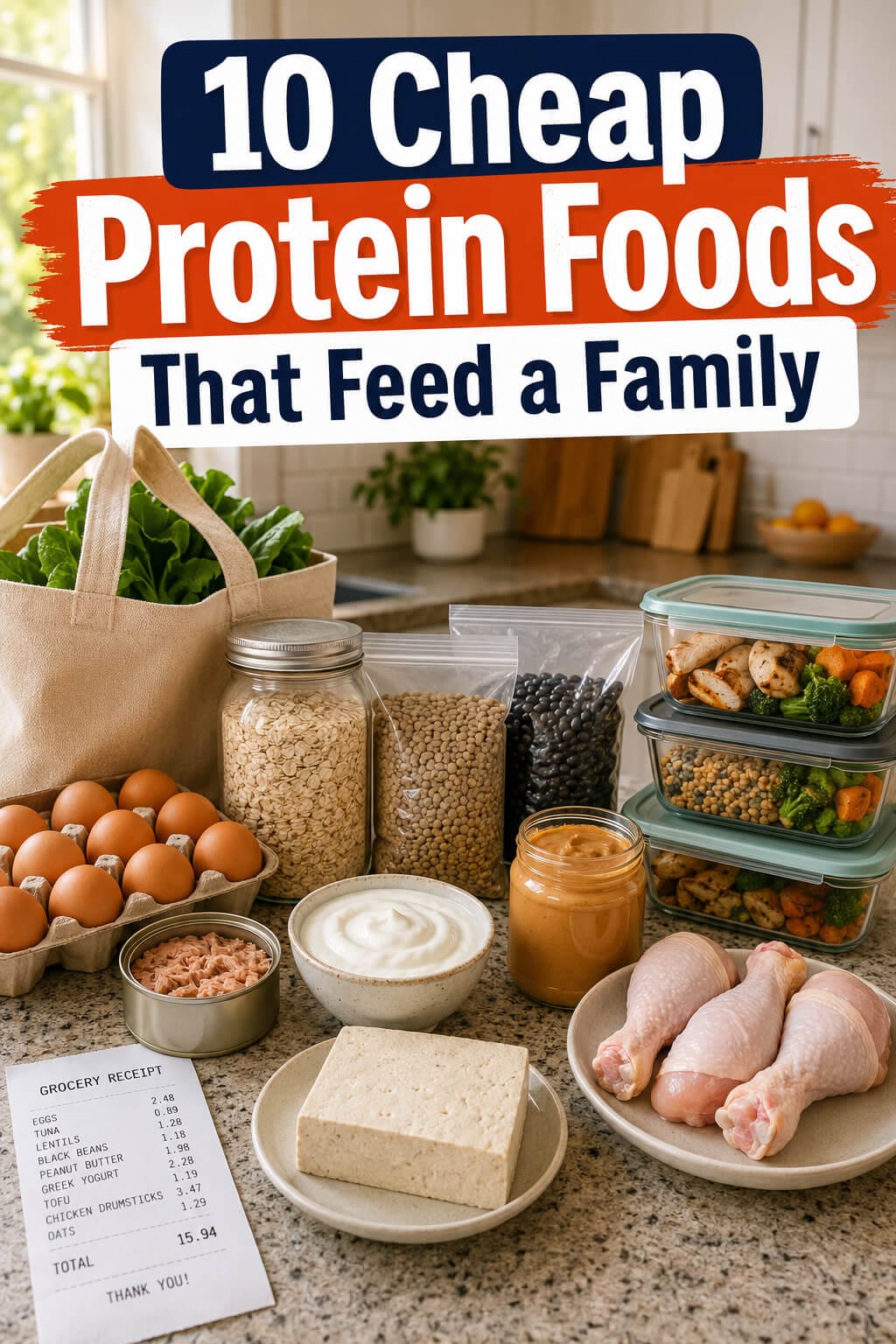
Cheapest Protein Sources for Families: Budget-Friendly Foods That Actually Fill You Up
Feeding a family is expensive, and protein is often one of the first parts of the grocery bill to climb. Meat, seafood, eggs, and dairy can add up quickly, especially when you are cooking breakfast, packing lunches, and trying to get dinner on the table every night.
The good news is that affordable protein does not have to mean boring meals. You can build filling, family-friendly meals with simple foods like lentils, beans, eggs, peanut butter, canned tuna, chicken thighs, Greek yogurt, tofu, and sale-priced ground meat.
This guide covers the cheapest protein sources for families, how to compare them at the grocery store, and how to turn them into meals kids and adults will actually eat.
Grocery budgeting is especially important right now. USDA’s April 2026 Food Price Outlook predicted that overall food prices would rise 2.9% in 2026, with food-at-home prices expected to rise 2.4%.
USDA also predicted faster-than-average price growth for categories including beef and veal, fish and seafood, and fresh vegetables, while eggs, dairy, and fats and oils were expected to decline compared with 2025.
Why Protein Costs Matter for Family Grocery Budgets
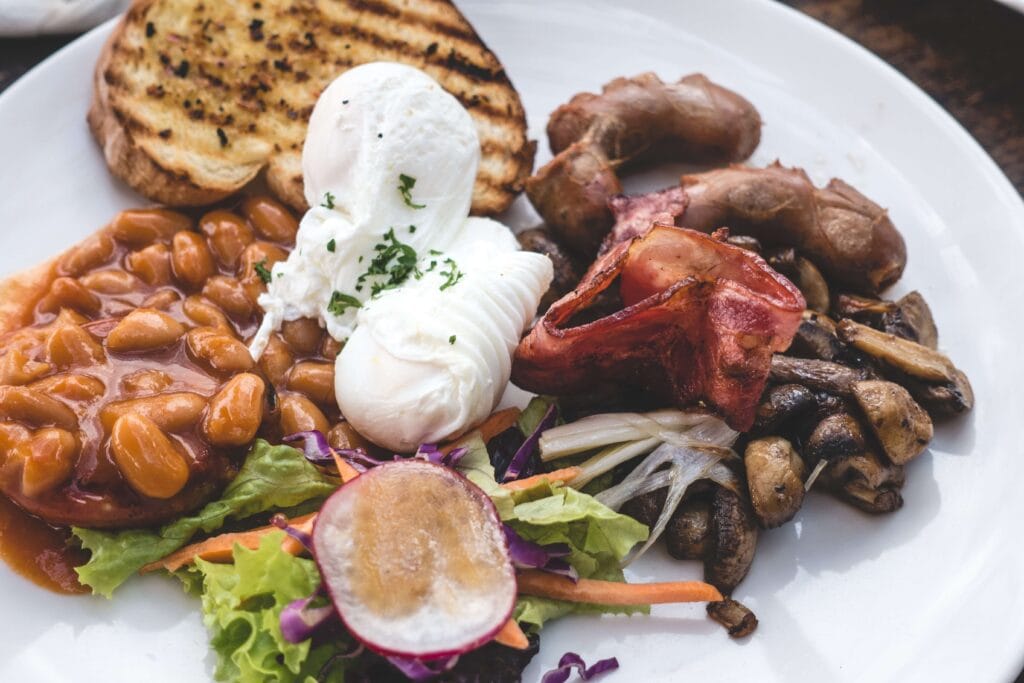
Protein helps meals feel satisfying, but it can also be one of the most expensive parts of the plate.
A dinner built around steak, salmon fillets, deli meat, or boneless chicken breast can cost much more than a dinner built around beans, lentils, eggs, canned fish, tofu, or chicken drumsticks.
For families, the best cheap proteins are the ones you can use more than once. Think dinner tonight, lunch tomorrow, and maybe something for the freezer. A bag of lentils can become soup, tacos, sloppy joes, or pasta sauce.
A pack of chicken thighs can turn into a sheet-pan dinner, rice bowls, and soup. A large tub of plain Greek yogurt can work for breakfast, snacks, dips, and sauces.
USDA MyPlate includes seafood, meat, poultry, eggs, beans, peas, lentils, nuts, seeds, and soy products in the Protein Foods Group. It also notes that beans, peas, and lentils count toward both the Protein Foods Group and the Vegetable Group, making them especially useful for budget meals.
How to Compare Cheap Protein Sources Fairly
Do not judge protein only by the package price. A $3 item is not always cheaper than a $7 item if the $7 item gives you more servings, less waste, and more meals.
A better way to compare proteins is by cost per serving and cost per gram of protein.
Use this simple formula:
Cost per gram of protein = total item cost ÷ total grams of protein in the package
You do not need to do this every time you shop. Try it once with the foods your family buys most often.
Compare eggs, lentils, beans, chicken thighs, tuna, yogurt, tofu, and ground meat at your usual store. You may be surprised by which foods give you the most protein for the money.
Here is a realistic example: if eggs are expensive one week, lentils, beans, peanut butter, tofu, or canned tuna may be better deals. If chicken thighs are on sale, buy an extra pack and freeze it.
If Greek yogurt is cheaper in a large tub than in single cups, use the tub for breakfasts, smoothies, dips, and snacks.
Also, think about what your family will actually eat. A cheap ingredient is not a bargain if it sits in the pantry for six months or gets scraped into the trash after dinner.
The Cheapest Protein Sources for Families, Ranked
1. Lentils
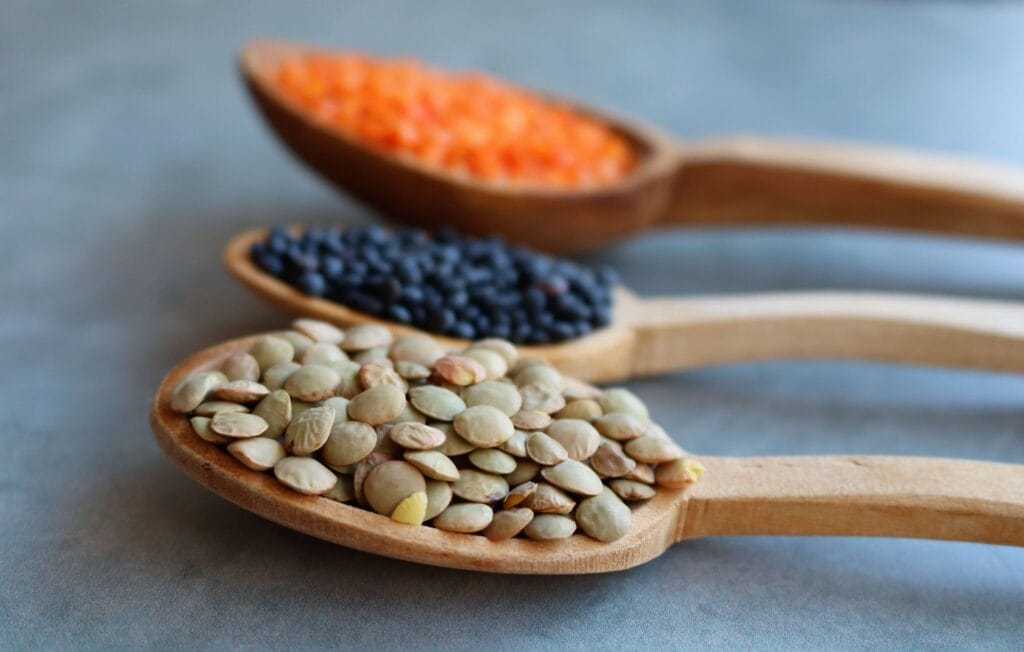
Lentils are one of the best overall cheap protein sources for families. They are inexpensive, filling, and easier to cook than dried beans because they do not need soaking.
Use lentils in soup, chili, curry, tacos, sloppy joes, pasta sauce, rice bowls, or shepherd’s pie. Red lentils soften into sauces and soups, while brown and green lentils hold their shape better.
If your family is new to lentils, start small. Add cooked lentils to spaghetti sauce, taco meat, or chili. You can use half meat and half lentils, so the meal still tastes familiar but costs less.
2. Beans
Beans are a budget classic for a reason. Black beans, pinto beans, kidney beans, navy beans, chickpeas, and great northern beans can be used to make burritos, chili, soups, rice bowls, quesadillas, dips, and casseroles.
Dried beans are usually the cheapest option, but canned beans are still practical for busy families. If canned beans help you avoid takeout, they are worth keeping in the pantry.
To save more money, cook a large batch of dried beans and freeze them in meal-size portions. To save time, use canned beans and rinse them before adding them to meals.
3. Eggs
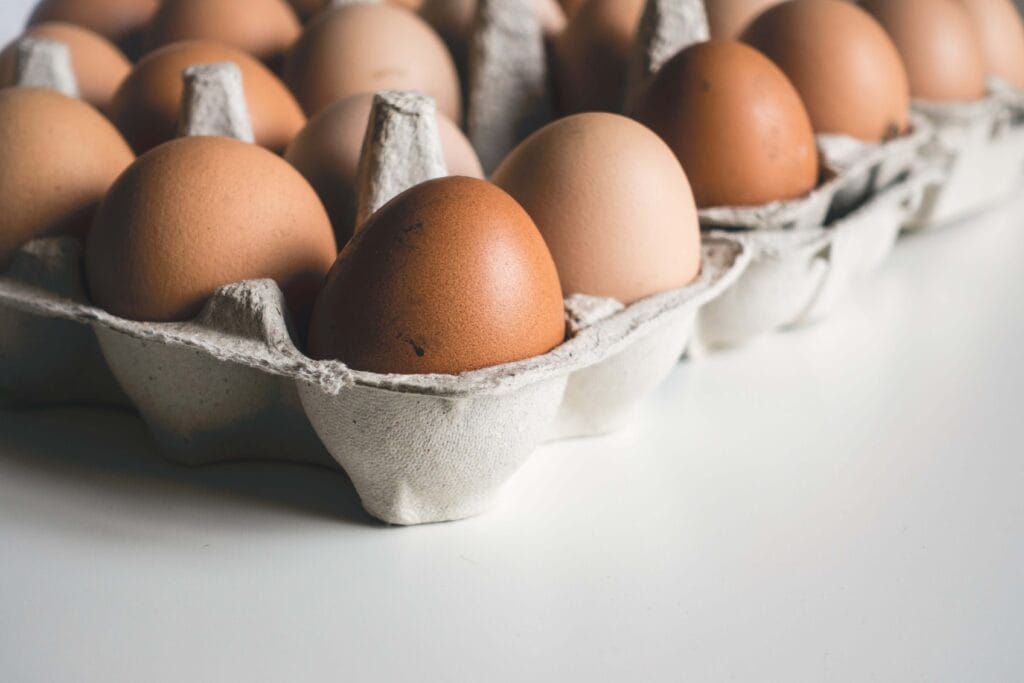
Eggs are one of the most flexible proteins in a family kitchen. They work for breakfast, lunch, dinner, and snacks.
Try egg fried rice, breakfast burritos, egg salad sandwiches, frittatas, baked egg cups, breakfast tacos, or eggs on toast. Hard-boiled eggs also make an easy snack or lunchbox protein.
Egg prices can change a lot, so do not assume they are always the cheapest option. Check the price per dozen before planning several egg-based meals.
USDA reported that retail egg prices fell from February to March 2026 and projected egg prices to decline in 2026 compared with 2025, but egg prices have been volatile in recent years because of avian influenza and supply issues.
4. Peanut Butter
Peanut butter is not usually the main protein at dinner, but it is one of the easiest, cheap protein boosters.
Use it in sandwiches, oatmeal, smoothies, toast, snack plates, sauces, and dips. Peanut butter with apples, bananas, celery, or whole-grain toast can make a filling snack for kids.
For the best value, compare prices per ounce and look at store brands. If your family has a peanut allergy, sunflower seed butter or soy butter may be useful swaps, though they may cost more.
5. Canned Tuna, Salmon, Sardines, or Mackerel
Canned fish is useful because it is shelf-stable, quick, and does not require cooking. It can become tuna melts, tuna pasta, salmon patties, sardine toast, fish cakes, rice bowls, or lunchbox sandwiches.
For families with children, canned fish is best used with variety and moderation. The FDA and EPA recommend that children and people who are pregnant or breastfeeding choose a variety of fish lower in mercury.
Their advice also says children ages 1 to 11 should eat two servings per week from the “Best Choices” list, with serving sizes based on age.
Good budget-friendly options often include canned salmon, sardines, light tuna, and mackerel. If your family dislikes canned fish, try mixing it into pasta, patties, or melts instead of serving it plain.
6. Chicken Thighs, Drumsticks, and Whole Chicken
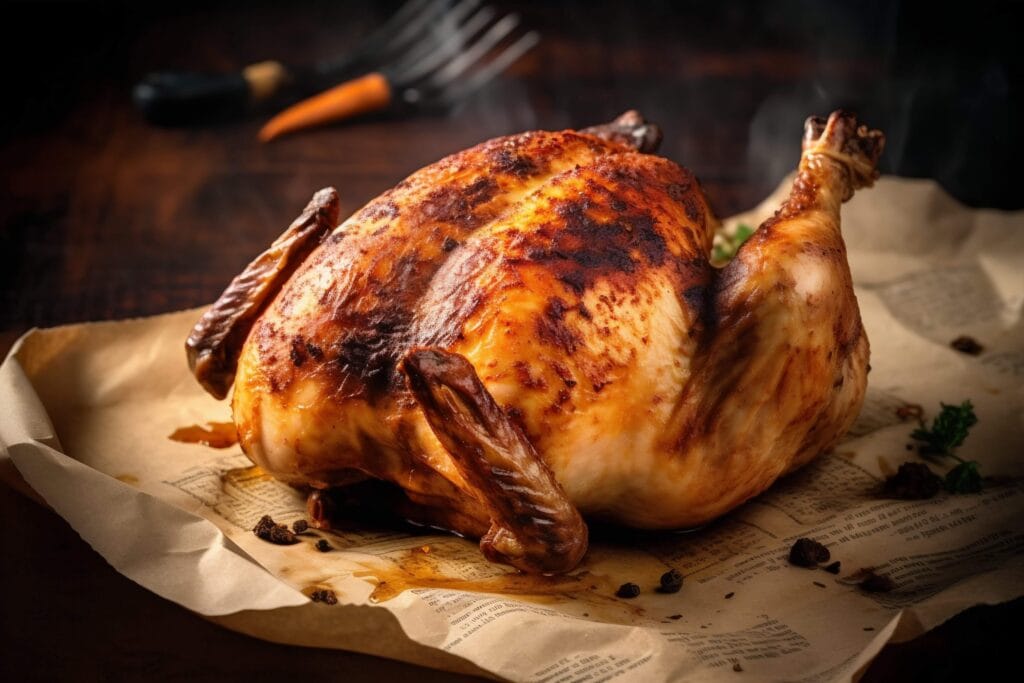
Boneless chicken breast is convenient, but it is not always the best deal. Chicken thighs, drumsticks, and whole chickens are often cheaper and harder to overcook.
A smart family strategy is to cook chicken once and use it several ways. Serve drumsticks with rice and vegetables one night. Use leftovers in tacos, soup, fried rice, sandwiches, or pasta the next day.
If your family prefers boneless meat, watch for sales and freeze extra in meal-size portions.
7. Greek Yogurt and Cottage Cheese
Greek yogurt and cottage cheese are helpful because they require no cooking. They work for breakfast, snacks, smoothies, dips, sauces, and lunchbox sides.
Large tubs are usually a better value than single-serve cups. Plain Greek yogurt is especially useful because it can go sweet or savory. Add fruit and oats for breakfast, or mix them with garlic, lemon juice, and herbs for a quick sauce.
If your family avoids dairy, compare lactose-free yogurt, soy yogurt, fortified soy milk, tofu, beans, or eggs, depending on your needs and budget.
8. Tofu
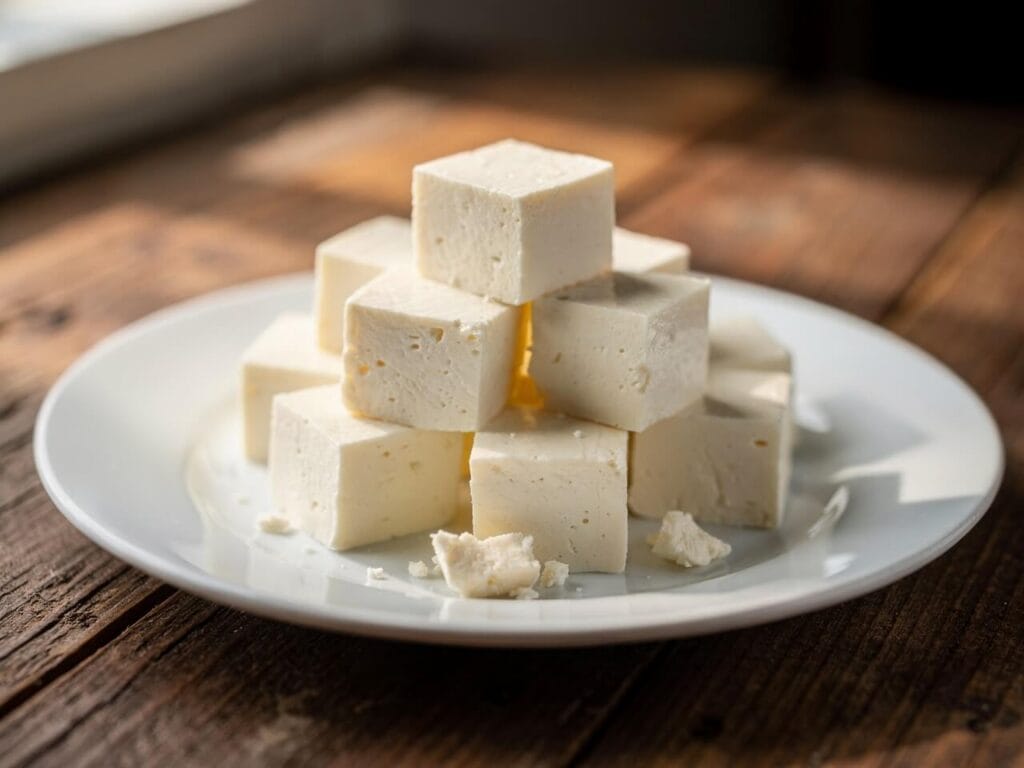
Tofu is an affordable, meatless protein that works well in stir-fries, rice bowls, soups, noodle dishes, tacos, tofu scramble, and air-fryer meals.
The key is flavor and texture. Press firm tofu, cut it into small pieces, season it well, and cook it until crisp. Tofu works best with sauces your family already likes, such as teriyaki, barbecue, curry, taco seasoning, or peanut sauce.
USDA MyPlate includes soy products such as tofu and tempeh in the Protein Foods Group, making them useful options for vegetarian meals or meatless nights.
9. Milk
Milk is not always thought of as a budget protein, but it can quietly add protein to meals your family already eats. Use it in oatmeal, smoothies, cereal, pancakes, soups, sauces, and drinks for kids.
Dairy prices and dietary needs vary, so milk will not be right for every family. But if your household already buys it, it can help stretch breakfasts and snacks.
10. Ground Meat on Sale
Ground turkey, ground chicken, ground pork, and sale-priced ground beef can still fit a budget meal plan. The trick is to stretch them.
Instead of using one pound of meat as the whole meal, mix it with beans, lentils, oats, rice, cabbage, frozen vegetables, or pasta. One pound of ground meat plus lentils can become taco filling for a family.
One pound of turkey plus beans can become chili. Ground beef with cabbage and rice can become a filling skillet meal.
Quick Comparison: Cheap Family Protein Options
| Why does it save money | Best budget form | Easy family meals | Why it saves money |
|---|---|---|---|
| Lentils | Dried | Soup, tacos, curry, sloppy joes | Cheap, filling, no soaking |
| Beans | Dried or canned | Chili, burritos, rice bowls | High fiber, versatile, pantry-stable |
| Eggs | Dozen or bulk pack | Fried rice, frittata, egg salad | Fast and flexible |
| Peanut butter | Large jar | Sandwiches, oatmeal, snacks | Shelf-stable and kid-friendly |
| Canned fish | Store-brand cans | Melts, pasta, patties | No-cook protein backup |
| Chicken thighs/drumsticks | Family pack or sale pack | Sheet-pan meals, tacos, soup | Often cheaper than boneless cuts |
| Greek yogurt | Large plain tub | Breakfast, smoothies, dips | No prep and multi-use |
| Tofu | Store-brand block | Stir-fry, scramble, bowls | Affordable meatless protein |
A Real-Life Grocery Store Protein Check
Before your next grocery trip, compare five or six proteins at your usual store:
- A dozen eggs
- A bag of lentils
- A bag or can of beans
- Chicken thighs or drumsticks
- Canned tuna or salmon
- A large tub of Greek yogurt
- A block of tofu
Look at the price, servings, and protein per serving. Then ask three questions:
Can this feed everyone?
Can I use it in more than one meal?
Will my family actually eat it?
This simple check is more useful than following a fixed “cheapest foods” list, because prices vary by store, region, and week.
One week, eggs may be a bargain. Another week, chicken thighs or tofu may be the better deal.
Cheap High-Protein Meal Ideas for Families
Breakfast Ideas
Peanut butter oatmeal is one of the easiest budget breakfasts. Cook oats with milk, then add peanut butter and banana.
Egg burritos are another good choice. Scramble eggs, add beans or potatoes, wrap them in tortillas, and freeze extras.
Other cheap high-protein breakfasts include Greek yogurt with oats, cottage cheese toast, boiled eggs, breakfast fried rice, tofu scramble, and smoothies made with milk or yogurt.
Lunch Ideas
Bean-and-cheese burritos are filling and easy to batch. Tuna melts make canned fish more kid-friendly. Lentil soup can go in a thermos. Egg salad sandwiches are simple and inexpensive.
Other options include hummus wraps, chicken rice bowls, peanut butter sandwiches, chickpea salad sandwiches, and leftover chili over rice or a baked potato.
Dinner Ideas
For dinner, start with one affordable protein and build around it.
Try lentil chili, bean tacos, chicken drumsticks with rice and frozen vegetables, tofu stir-fry, tuna pasta, black bean quesadillas, salmon patties, or ground turkey and bean chili.
You can also stretch familiar meals. Add lentils to spaghetti sauce. Add beans to the taco meat. Add eggs to fried rice. Add Greek yogurt to sauces. Add chickpeas to pasta salad.
Snack Ideas
High-protein snacks do not have to be expensive bars or shakes.
Try boiled eggs, yogurt, peanut butter, apples, cottage cheese, roasted chickpeas, cheese sticks, hummus with vegetables, edamame, or trail mix.
For younger kids, snack plates often work better than one large snack. Try crackers, cheese, fruit, peanut butter or seed butter, yogurt, and a boiled egg.
How to Stretch Protein Without Making Meals Feel Cheap
The best budget meals do not feel like a sacrifice. They feel familiar, flavorful, and filling.
Use the half-and-half method. Mix half ground beef with half lentils. Mix half chicken with half beans. Mix tuna with pasta and peas. Add Greek yogurt to creamy sauces. Add eggs to leftover rice.
Flavor makes a big difference. Budget proteins need seasoning, acid, fat, and texture.
Use garlic, onion, salsa, soy sauce, taco seasoning, curry powder, bouillon, vinegar, lemon juice, mustard, hot sauce, herbs, or a little cheese.
Leftovers also matter. Roast chicken becomes tacos. Beans become burritos. Lentil chili becomes baked potato topping. Rice becomes fried rice. Yogurt becomes sauce. The more ways you can reuse one ingredient, the less likely it is to go to waste.
Swaps for Picky Eaters, Allergies, and Special Diets
Every family has different food needs. The cheapest protein is not helpful if someone is allergic to it, cannot digest it, or refuses to eat it.
If your family has a peanut allergy, try sunflower seed butter, soy butter, hummus, boiled eggs, yogurt, or cheese for snacks.
If dairy is an issue, try lactose-free dairy, fortified soy milk, tofu, beans, lentils, or eggs. If your family does not like fish, use chicken, eggs, tofu, beans, or Greek yogurt instead.
For picky eaters, start with familiar meals. Add lentils to the taco meat. Blend beans into a dip. Stir Greek yogurt into mac and cheese. Use tofu in a crispy stir-fry with a favorite sauce.
Add eggs to fried rice. The goal is not to force a completely new meal overnight. The goal is to make small changes that your family will actually accept.
Sample 3-Day Budget Protein Meal Plan for a Family
Day 1
Breakfast: Peanut butter oatmeal with banana
Lunch: Bean-and-cheese burritos
Dinner: Chicken drumsticks with rice and frozen vegetables
Snack: Greek yogurt or boiled eggs
Day 2
Breakfast: Eggs and toast
Lunch: Leftover chicken rice bowls
Dinner: Lentil chili with rice or cornbread
Snack: Apples with peanut butter or seed butter
Day 3
Breakfast: Greek yogurt with oats and fruit
Lunch: Tuna sandwiches or chickpea salad sandwiches
Dinner: Tofu stir-fry or bean tacos
Snack: Cottage cheese, hummus, or roasted chickpeas
A simple shopping list for this plan might include oats, peanut butter, bananas, eggs, bread, dried lentils, canned or dried beans, rice, chicken drumsticks, canned tuna, Greek yogurt, tofu, frozen vegetables, tortillas, salsa, and basic seasonings.
Shopping Tips to Get the Most Protein for Your Money
Compare unit prices. Look at price per ounce, price per pound, and price per serving. For protein, also check how many servings you will actually get from the package.
Buy store brands when quality is similar. This often works well for beans, lentils, tuna, peanut butter, oats, yogurt, tofu, rice, and frozen vegetables.
Use bulk buying carefully. Bulk is only cheaper if your family will use the food before it spoils. Bulk dried beans, rice, oats, and peanut butter are lower risk than bulk fresh meat unless you have freezer space.
Freeze sale proteins. Chicken, ground meat, bread, shredded cheese, cooked beans, and leftovers often freeze well. Portion them before freezing so you can thaw only what you need.
Build meals around the best protein deal of the week. Choose the protein first, then add a starch, a vegetable, and a sauce.
Common Mistakes When Buying Cheap Protein
The first mistake is looking only at price per pound. Bones, water content, shrinkage, and waste all affect the real value.
The second mistake is buying expensive protein snacks instead of basic foods. Protein bars, shakes, chips, and powders can be convenient, but they usually cost more per serving than eggs, beans, lentils, yogurt, tuna, tofu, or chicken.
The third mistake is buying foods your family will not eat. A five-pound bag of anything is not a deal if it ends up untouched.
The fourth mistake is forgetting balance. Protein matters, but families also need fiber, fruits, vegetables, carbohydrates, and healthy fats. Beans, lentils, whole grains, and vegetables can help make cheap meals more filling and nutritious.
Final Takeaway
The cheapest protein sources for families are usually a mix of lentils, beans, eggs, peanut butter, canned fish, chicken thighs or drumsticks, Greek yogurt, cottage cheese, tofu, milk, and sale-priced ground meat.
The best choice depends on your local prices, your family’s tastes, and how much time you have to cook.
A simple weekly plan is to buy two cheap plant proteins, two flexible animal proteins, and one no-cook backup. For example: lentils and beans, eggs and chicken thighs, plus canned tuna or Greek yogurt.
With those basics, you can make affordable breakfasts, lunches, dinners, and snacks that are filling, realistic, and much easier on the grocery budget.
