
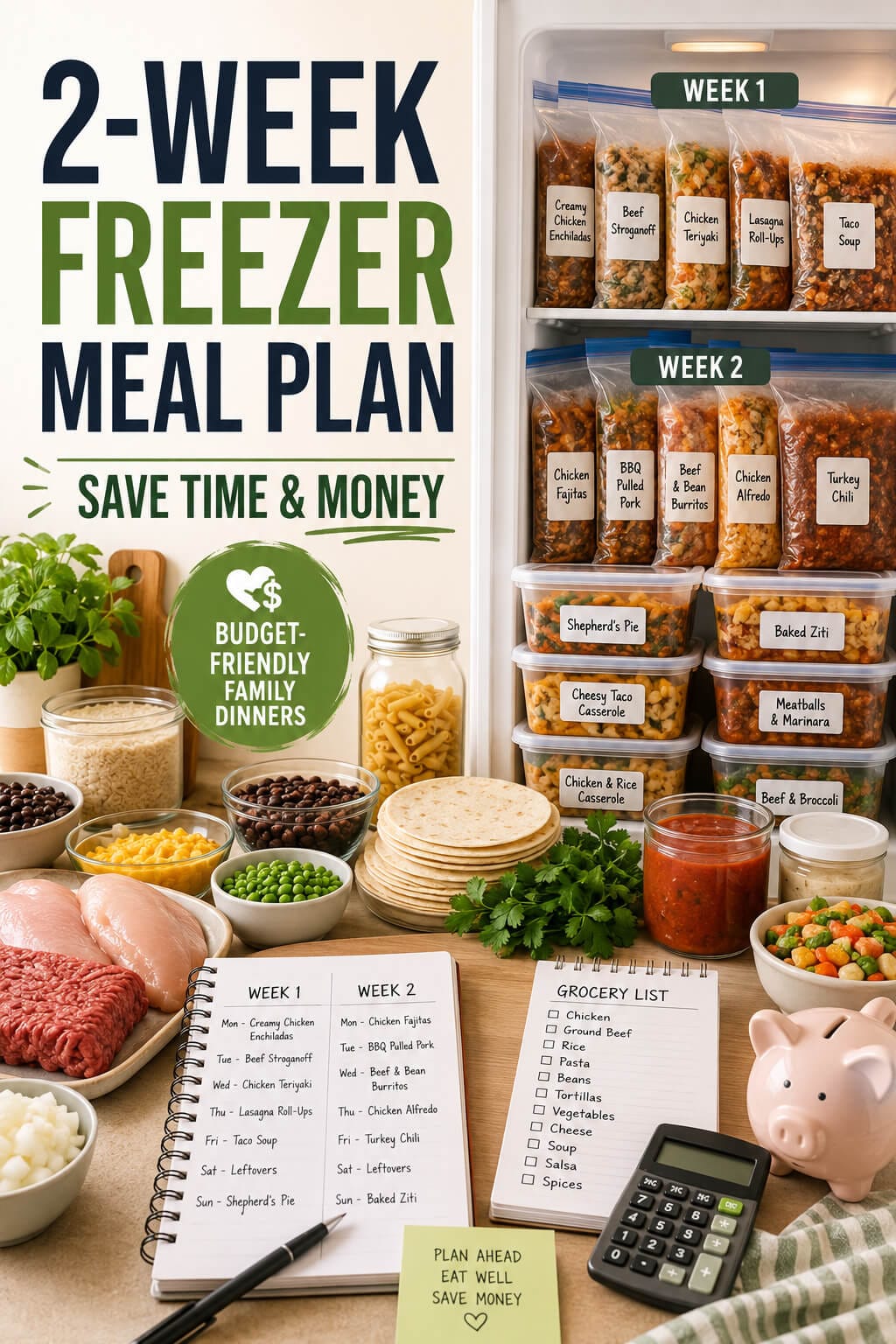
2-Week Freezer Meal Plan to Save Time and Money (With Full Recipes)
Grocery costs have not gone back down. A cart that set you back $120 2 yersa back now runs $160 or even more, and no one’s routine has actually obtained any less busy. That’s why the 2-week freezer meal plan has come to be an irreversible fixture in a great deal of homes– not as a trend, yet as a genuinely practical system.
The reasoning is straightforward: chef once, consume well for two weeks. Spend a Saturday afternoon in the kitchen area and you have actually taken a lots weeknight choices totally off your plate. No rushing at 6 p.m., no last-minute pizza telephone calls, no produce that quietly went bad due to the fact that you ran out of time to use it.
This overview walks through whatever– what to acquire, just how to prep it, and fourteen complete freezer-friendly dinners throughout two weeks. There’s additionally a breakfast incentive area, due to the fact tyhat early mornings are chaotic as well.
Quick Takeaways
- A single prep session (roughly 4–6 hours) covers 14 dinners for a family of four
- Most of these meals cost $3–$6 per serving using store-brand ingredients and bulk proteins
- Overlapping ingredients across meals cuts waste and simplifies your grocery run
- The safest way to thaw frozen meals is overnight in the refrigerator
- Label everything with the meal name, date made, and reheating instructions — future you will be grateful
Why Freezer Meal Planning Works
The honest reason most people stick with freezer meal prep isn’t that it’s fun. It’s because it works.
On a prep day, you might spend five hours cooking. But over the next two weeks, you’re adding zero effort to dinner — just thaw, reheat, and eat. If you normally spend 45 minutes a night on weeknight meals, that’s five hours of cooking time saved right there.
The money side is real too. Buying chicken thighs in bulk at $1.89/lb instead of $3.49/lb makes a difference when you’re buying six pounds at once. You also stop making those tired, impulse decisions at the end of a long day — the ones that end in $45 worth of takeout.
Other benefits that don’t get talked about enough:
- Food waste drops. When produce goes into a recipe immediately instead of sitting in your crisper drawer for eight days, it actually gets eaten.
- Weeknight stress goes down. Knowing dinner is handled changes the texture of your whole evening.
- Your freezer becomes useful. Most people’s freezers are full of mystery items and forgotten leftovers. A planned freezer is a functional freezer.
Freezer Meal Planning Basics Before You Start
What You’ll Actually Need
You don’t need fancy equipment. The basics:
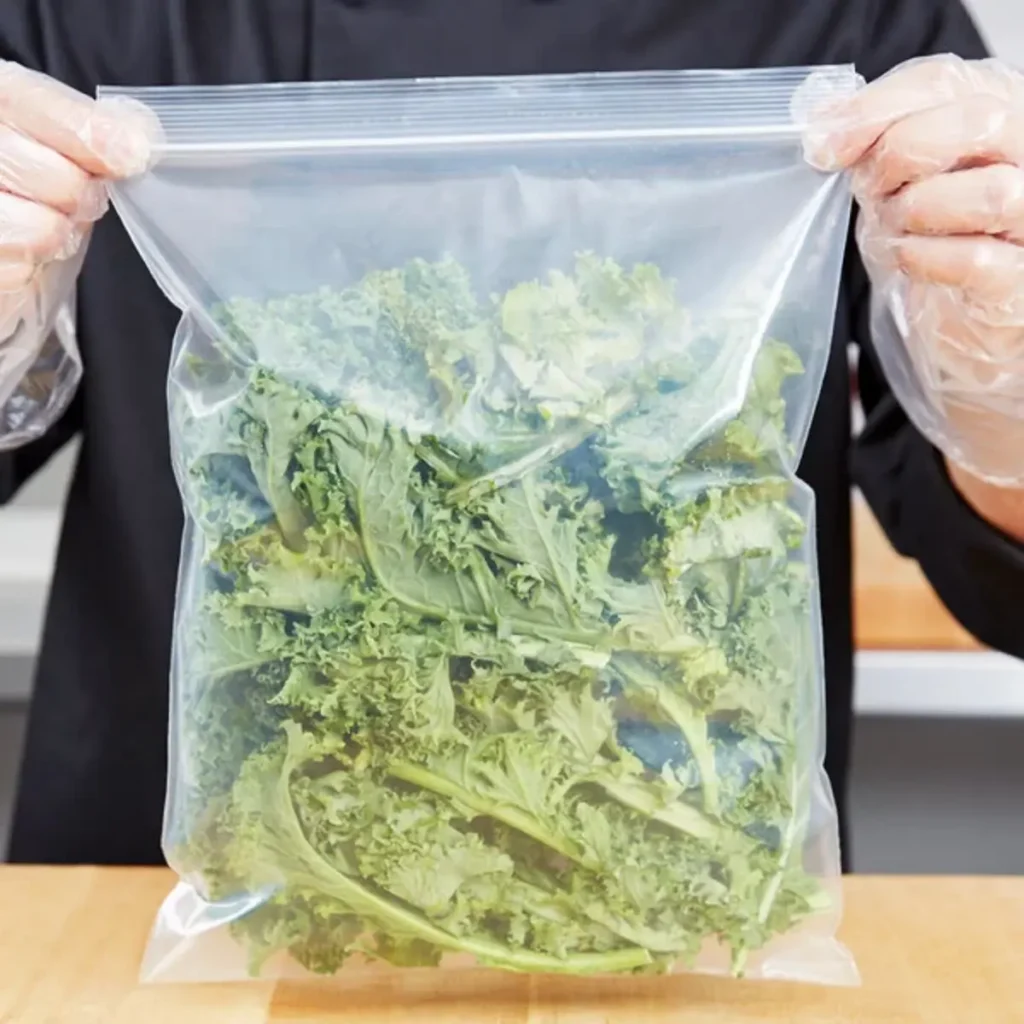
- Gallon-sized freezer bags — not sandwich bags, not storage bags. Freezer bags have a thicker barrier that prevents freezer burn.
- Aluminum foil pans (9×13) — ideal for casseroles and pasta bakes. Cheap, stackable, and oven-safe.
- Permanent markers — a Sharpie is fine.
- Masking tape or freezer labels — for labeling containers you plan to reuse.
- A large stock pot, a sheet pan, and at least one big skillet — you’ll be doing a lot of simultaneous cooking.
What Freezes Well
Most cooked proteins, hearty soups, chilis, casseroles, rice dishes, burritos, and pasta sauces freeze without issue.
Ground beef, chicken thighs, and Italian sausage all hold up well after freezing and reheating.
What Doesn’t
Avoid freezing anything with a lot of dairy (creamy sauces can separate), raw potatoes (they get mealy), cooked pasta on its own (it turns mushy), and anything with a delicate texture you want to preserve — like fresh lettuce or avocado.
Food Safety Basics
Don’t put hot food directly in the freezer. Cool it on the counter for 30 minutes, then refrigerate until cold, then freeze.
This keeps the freezer temperature stable and prevents ice crystals from forming inside your meals.
Frozen meals stay safe indefinitely, but quality starts to drop after 3–4 months. For a 2-week plan, everything will be consumed long before that’s an issue.
Labeling Tips
Every bag or container should have three things written on it: the meal name, the date it was made, and basic reheating instructions.
“Beef Chili — Made 5/15 — Thaw overnight, heat on stovetop 15 min” takes 10 seconds to write and saves enormous confusion later.
How to Batch Cook for Two Weeks of Meals
The Grocery Strategy
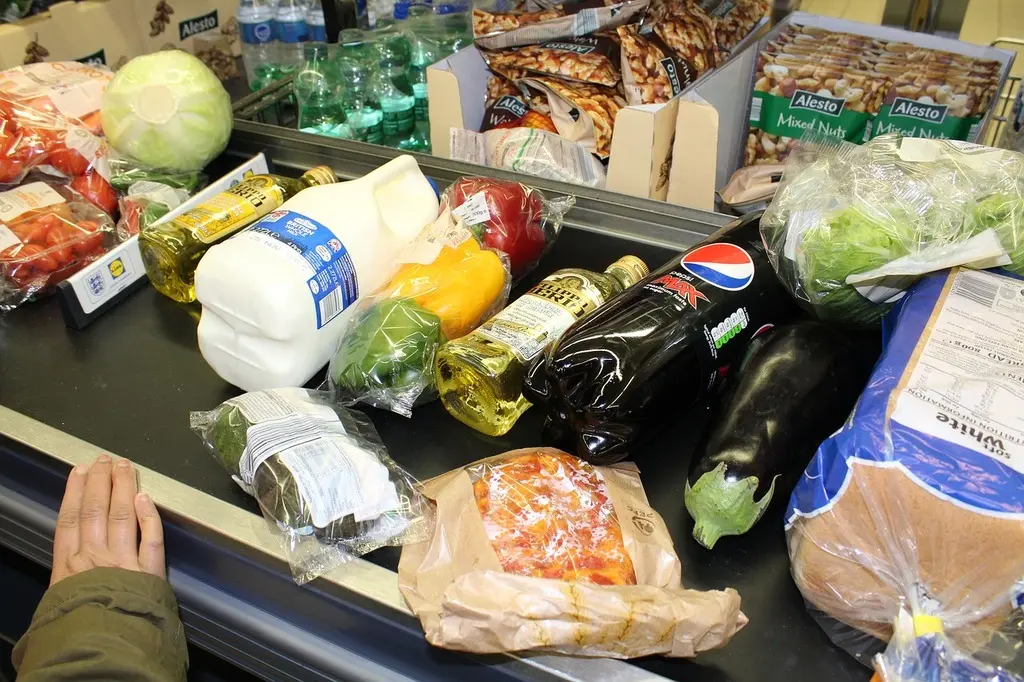
Shop with an ingredient-overlap mindset. If chicken is in five recipes, buy it all at once — usually in a 10-lb bag, which is almost always cheaper per pound than individual packages.
The same goes for canned tomatoes, beans, and onions.
Plan to spend $130–$180 for two weeks of dinners (4 servings each) depending on your area and what’s on sale. That comes out to roughly $4–$5 per serving, which beats almost anything you’d order out.
Pantry staples to already have on hand:
- Olive oil, vegetable oil
- Salt, pepper, garlic powder, onion powder, cumin, chili powder, Italian seasoning
- Chicken broth (cartons or cans)
- Soy sauce, Worcestershire sauce
- Canned diced tomatoes, tomato sauce, tomato paste
- Dried pasta, white rice
- Canned black beans, kidney beans, chickpeas
The Assembly-Line Method
Batch cooking goes much faster when you’re not doing one recipe at a time from start to finish.
Instead:
- Start the slow cooker items first. They need the most time and the least attention.
- Brown all your ground meat at once. One big skillet session, then divide it between recipes.
- Roast or poach all chicken at once. Shred it all, then portion it into the recipes that need it.
- Assemble casseroles and pasta bakes while soups and braises are finishing on the stove.
- Cool, portion, label, and freeze once everything is assembled.
Realistic Time Estimate
Most people finish a full 2-week prep in 4–6 hours.
If you prep ingredients the night before (chop onions, pre-measure spices), that drops to 3–4 hours.
2-Week Freezer Meal Plan Overview
Estimated Grocery Budget
$140–$180 for 14 meals (4 servings each), or roughly $2.50–$3.20 per person per meal.
Protein and Ingredient Overlap Strategy
| Ingredient | Used In |
|---|---|
| Chicken thighs (bulk) | Taco bowls, fried rice, BBQ chicken, alfredo bake, enchiladas, teriyaki bowls |
| Ground beef/turkey | Chili, burritos, meatballs, taco soup, stuffed peppers |
| Italian sausage | Baked ziti |
| Canned tomatoes | Chili, ziti, meatballs, taco soup, enchiladas |
| Black beans | Chili, burritos, taco soup |
| Rice | Fried rice, teriyaki bowls, stuffed peppers |
Week 1 Freezer Meal Plan
1. Slow Cooker Chicken Taco Bowls
Chicken thighs go in the slow cooker with salsa, cumin, garlic powder, and a little lime juice in the morning — six hours later, it shreds itself. Genuinely one of the laziest ways to end up with good food.
Why it freezes well: Shredded chicken in liquid is one of the most forgiving things you can freeze. No texture issues.
Ingredients: Chicken thighs, jar of salsa, chicken broth, cumin, garlic powder, lime juice, black beans.
Prep: Cook in slow cooker 6–8 hours on low. Shred, cool, portion into bags with a scoop of the cooking liquid and some drained black beans.
Reheating: Thaw overnight. Heat in a saucepan over medium, stirring occasionally, about 10 minutes. Serve over rice or in tortillas.
Budget tip: Chicken thighs are almost always cheaper than chicken breasts and taste better in this recipe. Buy a family pack.
2. Baked Ziti with Sausage
If you make this once, you’ll keep it in your rotation. Brown Italian sausage, mix it with marinara and al dente ziti, layer it into a foil pan with ricotta and mozzarella, and freeze before the final bake. That’s genuinely most of the work.
Why it freezes well: Pasta bakes are ideal for freezing before the final bake. The pasta rehydrates perfectly when cooked from frozen.
Ingredients: Ziti pasta, Italian sausage, jar of marinara, ricotta, mozzarella, Italian seasoning.
Prep: Cook pasta al dente (one minute less than package says). Brown sausage. Mix with sauce and ricotta. Layer in aluminum pans, top with mozzarella, cover tightly with foil.
Reheating: Bake from frozen at 375°F, covered, for 60 minutes. Remove foil for the last 10 minutes to brown the top.
Budget tip: Store-brand marinara is $1.29 and tastes nearly identical to name brands in a baked dish.
3. Beef and Bean Chili
Chili might be the single best freezer meal there is. It improves with time, it reheats in 15 minutes, and everyone eats it without complaint.
Why it freezes well: No dairy, no delicate ingredients. Beans and ground beef hold their texture perfectly.
Ingredients: Ground beef, kidney beans, black beans, canned diced tomatoes, tomato paste, onion, chili powder, cumin, garlic.
Prep: Brown beef with onion. Add everything else, simmer 30 minutes. Cool completely before portioning into quart freezer bags.
Reheating: Thaw overnight. Reheat in a pot on medium-low, 15–20 minutes, stirring occasionally.
Budget tip: Stretch the meat by replacing half the ground beef with an extra can of beans. The texture and flavor are barely different.
4. Chicken Fried Rice
This one reheats better than most people expect — as long as you start with cold, already-cooked rice.
Why it freezes well: Day-old rice freezes and reheats much better than freshly cooked rice, which tends to clump.
Ingredients: Cooked rice (made a day ahead), shredded chicken, frozen peas and carrots, eggs, soy sauce, sesame oil, green onions.
Prep: Scramble eggs separately. Stir-fry rice in a hot skillet with oil, add chicken and vegetables, add eggs, season with soy sauce and sesame oil. Cool, portion.
Reheating: Microwave in a covered dish for 2–3 minutes, stirring halfway. Add a splash of water to prevent drying out.
Budget tip: Frozen mixed vegetables are cheaper than fresh and work perfectly here. A two-pound bag runs about $1.50.
5. BBQ Pulled Chicken Sandwiches
Slow cooker chicken thighs again, this time cooked in BBQ sauce. Minimal effort, crowd-pleasing results.
Why it freezes well: Same as the taco bowls — shredded chicken in sauce is highly freezer-friendly.
Ingredients: Chicken thighs, bottled BBQ sauce, a little apple cider vinegar, garlic powder.
Prep: Cook chicken in slow cooker with BBQ sauce and a splash of vinegar, 6–8 hours on low. Shred, portion into bags with plenty of sauce.
Reheating: Thaw overnight, heat in a saucepan or microwave. Serve on rolls with coleslaw.
Budget tip: Store-brand BBQ sauce works fine. Better yet, buy whichever bottle is on sale — the chicken will absorb the flavor either way.
6. Freezer Burritos
Individual portions that reheat in minutes. Great for lunches, quick dinners, or anyone in the house who eats on a different schedule.
Why it freezes well: Wrapped tightly in foil, burritos keep their structure and reheat without getting soggy.
Ingredients: Flour tortillas (burrito-size), seasoned ground beef or shredded chicken, black beans, rice, cheese, salsa.
Prep: Warm tortillas so they don’t crack. Fill with about 3/4 cup of filling, fold tightly, wrap individually in foil, then place in a freezer bag.
Reheating: Remove foil, wrap in a damp paper towel, microwave 2–3 minutes. Or re-wrap in foil and bake at 375°F for 25 minutes from frozen.
Budget tip: Making 12–15 burritos at once uses the same prep time as making 4. Double the batch.
7. Creamy Tortellini Soup
One of the better soup recipes for freezing, because the tortellini goes in fresh when you reheat — not frozen with the rest of the soup.
Why it freezes well: Freeze the soup base without the pasta. Add fresh or refrigerated tortellini when reheating. This prevents mushy pasta.
Ingredients: Italian sausage, onion, garlic, chicken broth, canned diced tomatoes, spinach, Italian seasoning. Tortellini kept separate.
Prep: Brown sausage with onion and garlic. Add broth, tomatoes, and seasoning. Simmer 15 minutes. Add spinach, cool, freeze in quart bags. Note on the label: “Add 1 cup tortellini when reheating.”
Reheating: Thaw overnight, heat to a simmer in a pot, add tortellini, cook 5 minutes.
Budget tip: Dry tortellini is significantly cheaper than refrigerated and cooks in the same amount of time.
Week 2 Freezer Meal Plan
1. Chicken Alfredo Pasta Bake
Richer than the ziti, but just as straightforward. Jar alfredo sauce is fine here — nobody’s judging.
Why it freezes well: The cream sauce is baked into the casserole, so it doesn’t separate the way a loose cream sauce would.
Ingredients: Penne or rigatoni, shredded chicken, jar of alfredo sauce, chicken broth, mozzarella, Parmesan, garlic powder.
Prep: Cook pasta al dente. Mix with chicken, alfredo sauce thinned with a little broth. Pour into foil pan, top with cheese, cover and freeze.
Reheating: Bake covered at 375°F for 55–60 minutes from frozen, uncovering the last 10 minutes.
Budget tip: Thin the alfredo sauce with 1/4 cup of chicken broth before mixing. It stretches further and keeps the bake from drying out.
2. Turkey Taco Soup
Lighter than beef chili but just as satisfying. Ground turkey absorbs the taco spices well, and the soup comes together in about 20 minutes.
Why it freezes well: Soups with legumes freeze exceptionally well. No texture complaints here.
Ingredients: Ground turkey, black beans, corn, canned diced tomatoes, chicken broth, taco seasoning, onion, garlic.
Prep: Brown turkey with onion and garlic. Add everything else, simmer 15 minutes. Cool, portion.
Reheating: Thaw overnight, heat in a pot for 15 minutes. Top with shredded cheese, sour cream, and tortilla chips when serving.
Budget tip: Ground turkey is often cheaper than ground beef and is lower in fat. A 93% lean package is usually $3–$4.
3. Homemade Meatballs and Marinara
Make a big batch of meatballs, freeze them in sauce, and you’ve got a dinner that feels restaurant-quality with minimal weeknight effort.
Why it freezes well: Meatballs in sauce freeze beautifully. The sauce protects them from freezer burn.
Ingredients: Ground beef, ground pork (or all beef), breadcrumbs, egg, garlic, Parmesan, Italian seasoning, marinara sauce.
Prep: Mix meatball ingredients, roll into balls, bake at 400°F for 20 minutes. Combine with marinara in bags or containers.
Reheating: Thaw overnight, heat in a saucepan over medium-low for 20 minutes. Serve over pasta or in hoagie rolls.
Budget tip: A 50/50 ground beef and ground pork mix produces juicier meatballs than all-beef, and ground pork is often cheaper per pound.
4. Teriyaki Chicken Rice Bowls
The sauce is the key — homemade teriyaki takes about three minutes to make and tastes much better than the bottled version.
Why it freezes well: Chicken thighs in sauce are reliably good from the freezer. Freeze the rice separately for best texture.
Ingredients: Chicken thighs, soy sauce, brown sugar, garlic, ginger, cornstarch, cooked rice (frozen separately).
Prep: Cook chicken thighs in a skillet, add teriyaki sauce (soy sauce, brown sugar, garlic, ginger whisked together), thicken with cornstarch slurry. Portion chicken and sauce. Freeze rice in separate portions.
Reheating: Thaw both overnight, reheat together or separately. Microwave works well for rice.
Budget tip: Fresh ginger keeps in the freezer for months. Buy a piece, freeze it, and grate directly from frozen when needed.
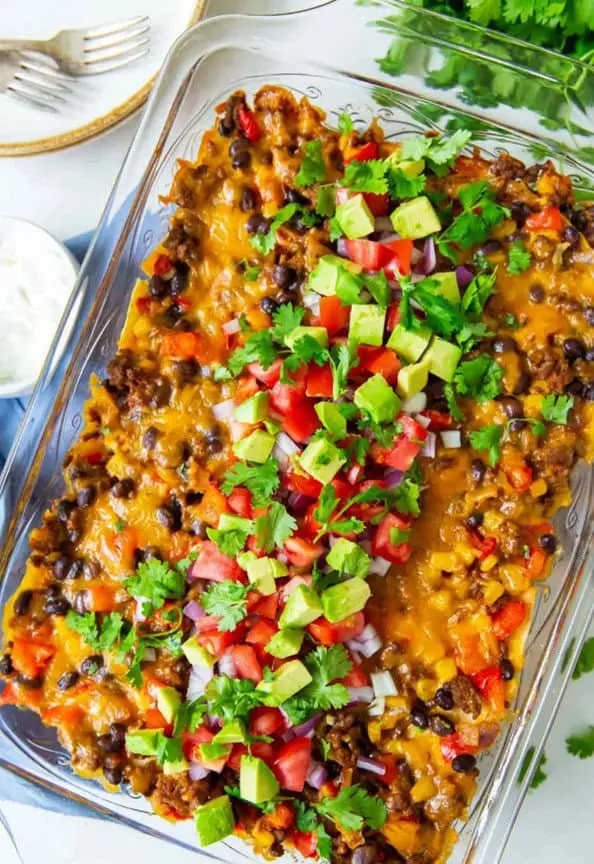
5. Stuffed Bell Pepper Casserole
All the flavors of stuffed bell peppers, without the fuss of filling individual peppers. Deconstructed and frozen as a casserole.
Why it freezes well: Ground beef and rice in tomato sauce freeze without issue. Bell peppers soften slightly but that’s expected in a baked casserole.
Ingredients: Ground beef, cooked rice, diced bell peppers (any color), canned tomatoes, tomato sauce, onion, garlic, Italian seasoning, mozzarella.
Prep: Brown beef with onion and pepper. Mix with rice, tomatoes, and sauce. Pour into foil pan, top with cheese, cover and freeze.
Reheating: Bake from frozen at 375°F, covered, 60 minutes. Uncover for last 10.
Budget tip: Green bell peppers are usually half the price of red or yellow. Fine for this recipe — the color difference doesn’t affect flavor when baked.
6. Chicken Enchiladas
Freeze before saucing, or after — both work. Freezing after saucing saves a step on reheat night.
Why it freezes well: Corn tortillas hold up better than flour tortillas in this application, but either works if tightly wrapped.
Ingredients: Shredded chicken, corn tortillas, red enchilada sauce (canned), shredded cheese, onion, cumin, garlic powder.
Prep: Mix chicken with a little enchilada sauce and seasoning. Roll in tortillas, place in foil pan, pour remaining sauce over the top, add cheese, cover and freeze.
Reheating: Bake covered from frozen at 375°F for 50–55 minutes, uncovering the last 10.
Budget tip: Canned enchilada sauce ($1.09 per can) covers a pan easily. Two cans is plenty for one batch.
7. Hearty Vegetable Soup
A meat-free option that’s cheap, filling, and packed with whatever vegetables you have left from the prep session.
Why it freezes well: Vegetable soups freeze as well as anything. Potatoes are the one exception — if using potatoes, cube them small or use a waxy variety.
Ingredients: Diced carrots, celery, onion, canned diced tomatoes, kidney beans, vegetable broth, frozen corn and green beans, Italian seasoning, garlic.
Prep: Sauté aromatics in a pot. Add broth, tomatoes, beans, and vegetables. Simmer 20 minutes. Cool completely, portion into quart bags.
Reheating: Thaw overnight, heat in a pot 10–15 minutes.
Budget tip: This soup costs roughly $0.80 per serving using canned and frozen vegetables. It’s the cheapest meal in this whole plan.
Easy Freezer Breakfast Ideas
Dinners covered, breakfasts are a bonus worth addressing.
Breakfast burritos use the same technique as the dinner version — scramble eggs with sausage, peppers, and cheese, roll in large flour tortillas, wrap in foil. Reheat in the microwave 2 minutes. These are genuinely better than anything you’d buy at a drive-through.
Pancakes and waffles freeze flat on a sheet pan, then stack in a freezer bag once solid. Reheat in the toaster directly from frozen — two minutes, and they’re crispy on the outside.
Oatmeal cups are underrated. Cook a big batch of oatmeal with brown sugar and cinnamon, portion into a muffin tin, freeze until solid, pop out and store in bags. Microwave one or two as needed.
Breakfast sandwiches — egg, cheese, and sausage on an English muffin — freeze and reheat in the microwave in about 90 seconds. Individually wrap each one in foil or parchment before bagging.
Budget Tips for Cheap Freezer Meal Planning
Buy proteins in bulk. A 10-lb bag of chicken thighs at Costco, Sam’s Club, or even a warehouse section of a regular grocery store typically costs $1.49–$1.99/lb. Individual packages run $3–$4/lb. The math takes about three seconds.
Shop loss leaders. Grocery stores discount proteins once a week to get shoppers in the door. Check your store’s weekly circular before shopping and build your plan around what’s on sale.
Use store brands for canned goods, broth, and spices. For a chili or soup that simmers for 30 minutes, name-brand diced tomatoes add nothing. Store-brand spices are often manufactured in the same facilities.
Stretch proteins with legumes. Replacing 25–30% of the ground beef in chili or taco soup with black beans costs almost nothing and nobody will notice.
Use vegetable scraps. Onion peels, carrot tops, celery leaves — all of that can go into a zip bag in the freezer. Once the bag is full, simmer it into vegetable broth. Free broth.
Common Freezer Meal Mistakes to Avoid
Freezing food that’s still warm. This raises the temperature of everything else in your freezer and causes ice crystals to form inside your meals. Always cool to room temperature first, then refrigerate until fully cold, then freeze.
Labeling nothing (or labeling badly). Three months from now, that unmarked ziplock bag could be anything. Label every single container, every time.
Using thin containers or regular storage bags. Regular storage bags let air in. Freezer burn is just accelerated dehydration from air exposure — thicker bags solve it.
Overfilling containers. Liquids expand when frozen. Leave at least an inch of headspace in anything with a lot of liquid. A container that cracks in the freezer is a mess.
Freezing raw potatoes. They turn grainy and unpleasant. Either use them in dishes that will be cooked without freezing, or substitute sweet potatoes, which hold up slightly better.
Best Freezer Meal Containers and Storage Options
| Container | Best For | Cost | Notes |
|---|---|---|---|
| Gallon freezer bags | Soups, chilis, shredded meat | Very low | Lay flat to freeze; stack vertically once solid |
| Aluminum foil pans | Casseroles, pasta bakes | Low | Oven-safe; stackable; disposable |
| Glass containers | Leftovers, individual portions | Medium | Freezer-safe only if labeled as such |
| Vacuum sealer | Long-term storage, bulk proteins | High upfront | Eliminates freezer burn completely |
For most people doing a 2-week plan, gallon freezer bags and aluminum foil pans handle everything. A vacuum sealer is a worthwhile investment if you batch cook regularly, but it’s not necessary to get started.
Sample Freezer Cooking Prep Timeline
8:00 AM — Start the slow cooker meals. Get chicken thighs into the slow cooker with liquid and seasoning. It’ll cook unattended.
8:15 AM — Cook a large pot of rice and a large pot of pasta simultaneously. Cool both.
9:00 AM — Brown all your ground meat in one large skillet in batches. Season minimally — most seasoning happens in the individual recipes. Drain, cool, set aside.
9:30 AM — Make the chili and taco soup on the stovetop using the browned meat.
10:30 AM — While soups simmer, assemble the casseroles (baked ziti, alfredo bake, stuffed pepper casserole) using the cooked pasta, rice, and browned meat.
11:30 AM — Make meatballs, roll and bake.
12:00 PM — Lunch break. Eat something. You’ve been cooking for four hours.
12:30 PM — Shred the slow cooker chicken. Portion into taco bowl bags, BBQ chicken bags, enchilada filling, alfredo bake, teriyaki bowls.
1:30 PM — Assemble burritos, breakfast sandwiches, enchilada pans.
2:30 PM — Everything should be cooled and ready to label and freeze. Set up an assembly line: meal, bag/container, label, freezer.
3:00 PM — Done.
Frequently Asked Questions About Freezer Meals
How long do freezer meals last? Most are best within 3 months for quality, though they stay safe indefinitely if kept frozen. Soups and chilis hold up the longest. Cream-based dishes are best consumed within 6–8 weeks.
Can you freeze cooked rice? Yes — spread it in a single layer on a sheet pan to cool completely first, then freeze in portions. Reheat with a splash of water, covered, in the microwave. The texture is essentially the same as fresh.
What meals freeze best? Chili, soups, shredded meats in sauce, meatballs, casseroles, and burritos all freeze exceptionally well. If a recipe has a high liquid content and no delicate dairy, it’ll almost certainly be fine.
What’s the safest thawing method? Overnight in the refrigerator. It’s slower but keeps the food at a safe temperature throughout. If you forget to thaw, submerge the sealed bag in cold (not warm) water — change the water every 30 minutes. Microwaving on the defrost setting also works, but finish cooking immediately after.
Are freezer meals healthy? They can be. Home-cooked freezer meals give you full control over sodium, fat, and portion size — something you don’t get with frozen convenience food from the store. These recipes all use real ingredients, and most include vegetables and legumes. That said, some recipes (the alfredo, baked ziti) are indulgent — they’re not weeknight salads. Balance across the two weeks tends to work out fine.
Conclusion
A 2-week freezer meal plan isn’t about perfection. You don’t have to cook all 14 recipes on the first try. Start with four or five, see how the process feels, and build from there.
The real payoff shows up about day three of the second week, when you pull out a container of chicken enchiladas you made two weeks ago, heat it for 50 minutes, and sit down to a genuinely good dinner without having done any work that evening. That’s the whole point.
Grocery costs aren’t going down. Schedules aren’t getting easier. Batch cooking a couple Saturdays a year is one of the most practical things a household can do to address both.
Pick a weekend. Make a list. Cook once. Eat well for two weeks.
