
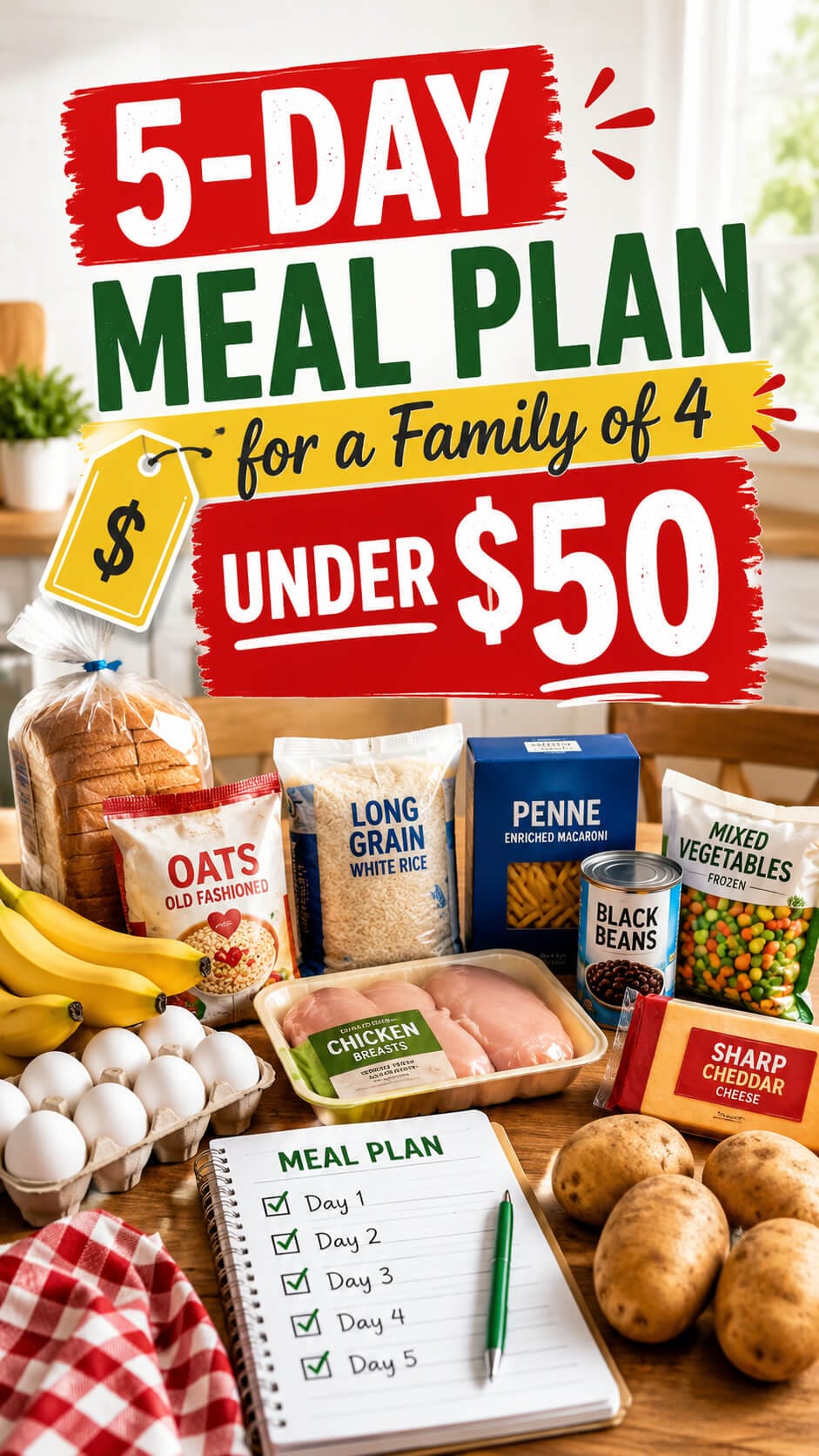
5-Day Meal Plan for a Family of 4 Under $50 (With a Real Grocery List)
Feeding a family of four on a tight budget sounds like a math problem nobody signed up for. But it’s more doable than most people think — especially once you stop trying to replicate restaurant meals at home and start working with what actually stretches.
This 5-day meal plan for a family of 4 under $50 covers five filling dinners, a complete grocery list, a rough budget breakdown, and a handful of tips that actually make a difference. No weird ingredients, no meal prep marathons. Just practical food that gets the job done.
How to Feed a Family of 4 on $50
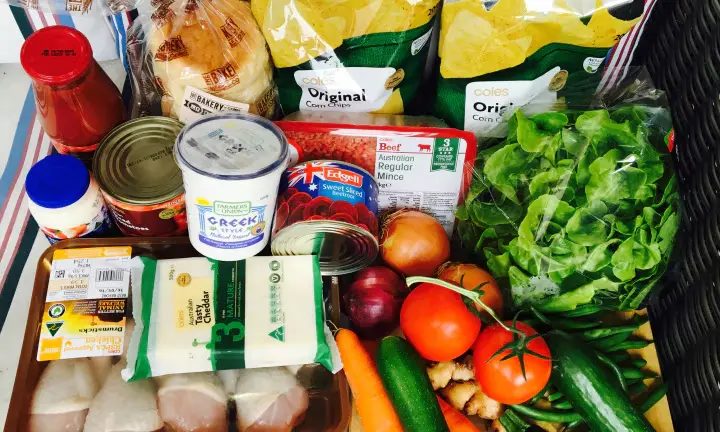
Before we get to the meals, it helps to understand the strategy. Staying under $50 isn’t really about couponing or hunting for deals — it’s mostly about choosing the right ingredients from the start.
Start With Pantry Staples
Pantry staples are the real backbone of budget cooking. When your pantry already has rice, pasta, oats, peanut butter, canned beans, and basic spices, your actual weekly grocery spend drops fast because you’re only buying proteins and fresh produce.
The goal isn’t to have a bare pantry. It’s to have a stocked one. Spend a little more one week building it up, and the next three weeks get cheaper.
Choose Affordable Proteins
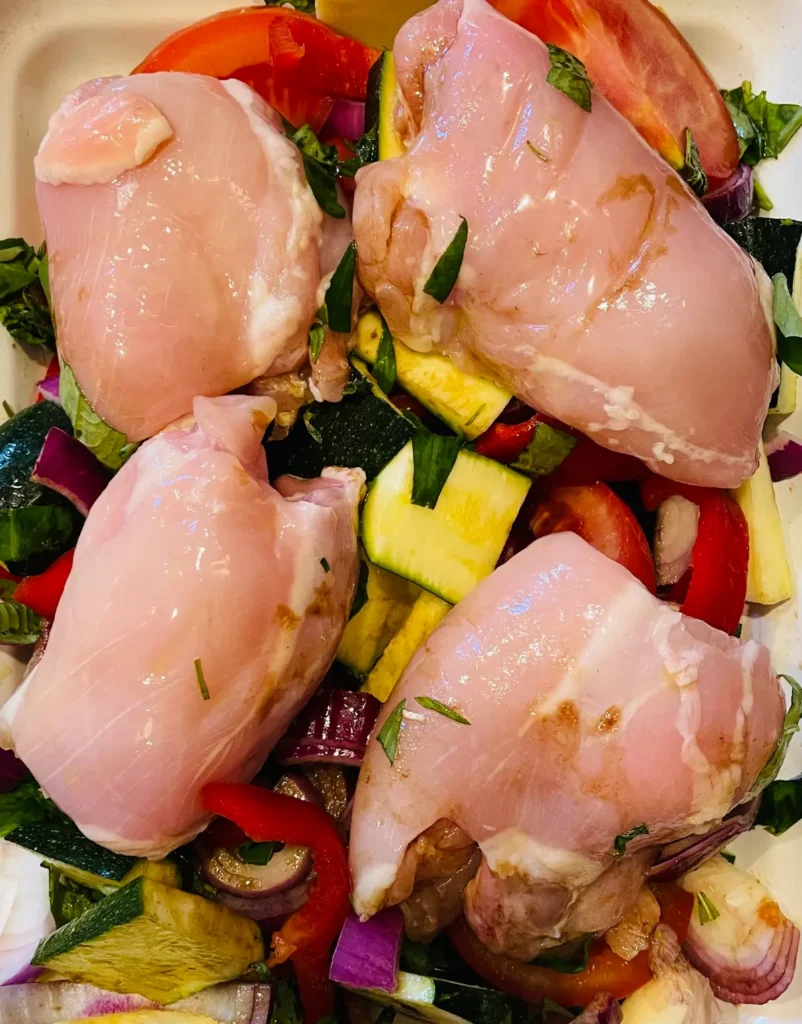
This is where most grocery budgets either win or lose. Expensive proteins like salmon, steak, and boneless chicken breasts add up fast. The budget-friendly alternatives that actually taste good:
- Chicken thighs — cheaper than breasts, more forgiving to cook, better flavor
- Eggs — one of the best values in the entire store
- Ground turkey — versatile, mild, works in almost anything
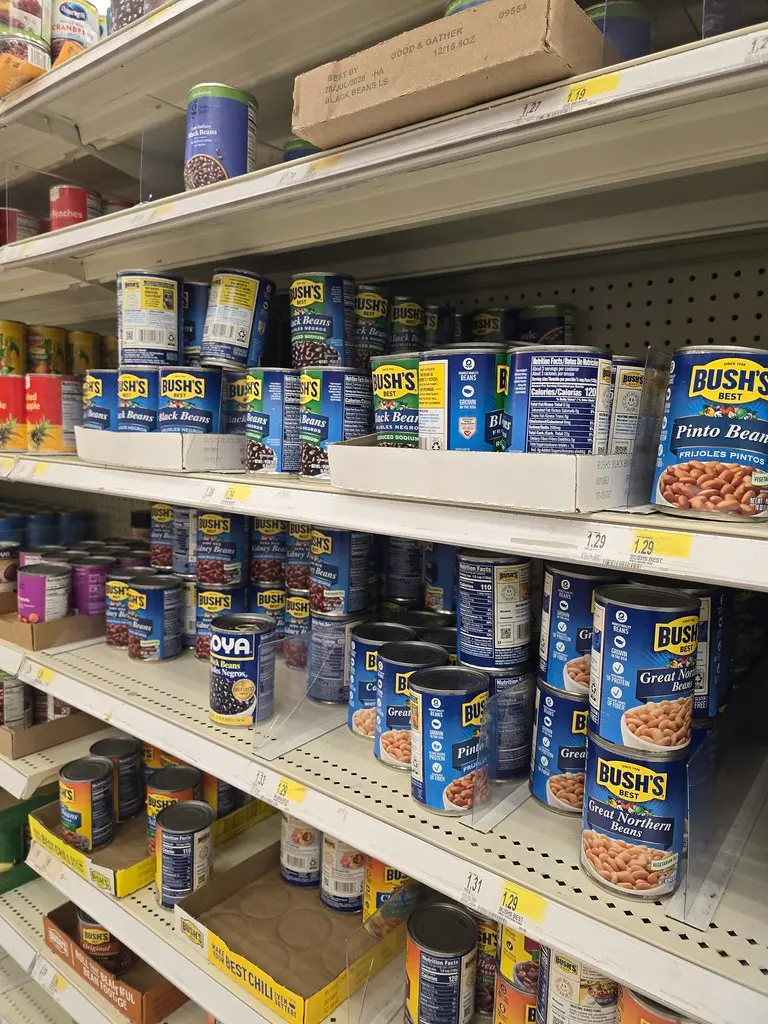
- Canned black beans — a full meal’s worth of protein for under $1
- Rotisserie chicken — slightly pricier upfront but stretches across 2–3 meals easily
One protein, multiple meals. That’s the whole game.
Buy Store Brands and Frozen Produce
Frozen vegetables get a bad reputation they haven’t earned. They’re picked at peak ripeness and flash-frozen, which means the nutrient profile is often better than fresh produce that’s been sitting in transit for five days.
From a cost perspective, a 12-oz bag of frozen mixed vegetables runs around $1.25–$1.50 at most stores. A fresh equivalent costs two to three times that. For cooked applications — stir-fries, rice bowls, soups — frozen is the move.
Store brand staples (pasta, rice, canned tomatoes, cooking oil) are typically identical to name brands in quality. The packaging is different. That’s about it.
Use Leftovers Strategically
The biggest waste in most household budgets isn’t food going bad — it’s food that gets cooked once and abandoned. Day 1 chicken becomes Day 2 fried rice. Leftover rice from Monday turns into something completely different by Tuesday night. That’s not being cheap; that’s just not being wasteful.
Grocery List for the 5-Day Meal Plan
This list covers all five dinners below with a small buffer for extras. Prices are approximate based on Walmart/Aldi average pricing in mid-2025.
Proteins
- Chicken thighs (2 lbs) — ~$5.00
- Eggs (1 dozen) — ~$2.50
- Ground turkey (1 lb) — ~$4.00
- Canned black beans (2 cans) — ~$2.00
Grains and Carbs
- White rice (2 lbs bag) — ~$2.50
- Pasta (1 lb box) — ~$1.25
- Flour tortillas (8-pack) — ~$2.50
- Bread (1 loaf) — ~$2.00
- Oats (store brand, 42 oz) — ~$3.50
Vegetables and Fruit
- Frozen mixed vegetables (2 bags) — ~$3.00
- Russet potatoes (5 lb bag) — ~$4.00
- Yellow onions (3 lb bag) — ~$3.00
- Bananas (bunch) — ~$1.50
- Carrots (1 lb bag) — ~$1.00
Dairy and Extras
- Shredded cheddar cheese (8 oz) — ~$3.00
- Butter (1 stick) — ~$1.50
- Salsa (16 oz jar) — ~$2.00
- Jarred tomato sauce (24 oz) — ~$2.00
Estimated Total: ~$46–$48
That leaves a small cushion for anything already in your pantry that runs out mid-week (oil, garlic, salt, pepper). If those basics are already stocked, you’ll come in comfortably under $50.
Day 1 – Chicken and Rice Bowls
Simple. Filling. Basically impossible to mess up.
What You Need
Chicken thighs, white rice, frozen mixed vegetables, salt, pepper, garlic powder, a little butter.
How to Make It
Cook the rice according to package directions. Season chicken thighs with salt, pepper, and garlic powder, then pan-fry on medium heat for about 7 minutes per side until golden and cooked through. Steam the frozen vegetables in the microwave (most bags are designed for this — 4–5 minutes).
Slice the chicken, pile everything in bowls, and add a little butter or a splash of soy sauce if you have it.
Cost Per Serving
Total meal cost: roughly $6–$7. Per person: under $2.
The Move for Tomorrow
Cook extra rice tonight. Double the batch. It takes the same amount of time and sets up Day 2 for free.
Day 2 – Easy Chicken Fried Rice
Fried rice is genuinely better with leftover rice than fresh rice — day-old rice is drier and fries instead of steaming into a clump. This is one of those meals that feels like you’re being clever when you’re really just using what’s already there.
What You Need
Leftover rice from Day 1, 3–4 eggs, leftover chicken (if any), frozen vegetables, butter or oil, soy sauce if available.
How to Make It
Heat a large pan or skillet on medium-high. Add butter, then toss in the frozen vegetables. Cook for 2–3 minutes, then push them to the side and scramble the eggs directly in the pan. Add the rice, break it up, and stir everything together. Add a splash of soy sauce, or just season with salt and pepper.
Leftover chicken can be shredded and mixed in, or skipped entirely — the eggs carry the protein load.
Cost Per Serving
Most of the ingredients were already paid for on Day 1. True additional cost for this meal: around $1.50 total (eggs, oil, seasoning).
For Picky Kids
Skip the soy sauce, go heavier on butter, and add a little shredded cheese on top. Works every time.
Day 3 – Black Bean Quesadillas and Roasted Potatoes
This is the vegetarian night, and it doesn’t feel like a sacrifice. Bean quesadillas are fast, cheap, and kids tend to eat them without complaint — especially when there’s salsa and cheese involved.
What You Need
Flour tortillas, canned black beans, shredded cheddar cheese, potatoes, oil, salt, optional salsa.
How to Make the Quesadillas
Drain and lightly season the black beans with salt and cumin if you have it. Heat a skillet over medium. Lay a tortilla flat, add beans and cheese to one half, fold over, and cook for 2–3 minutes per side until golden and crispy.
How to Make the Potatoes
Dice potatoes into small cubes, toss with oil, salt, and pepper, and roast at 425°F for 25–30 minutes, flipping halfway. They come out crispy and filling, and they pair well with basically anything.
Cost Per Meal
Under $5 for the whole family. Beans are the cheapest protein in the grocery store, and tortillas go a long way.
Day 4 – One-Pot Pasta With Ground Turkey
One pot. One cleanup. One genuinely satisfying dinner.
What You Need
Pasta (1 lb), ground turkey (1 lb), yellow onion (half), jarred tomato sauce, shredded cheese, salt, Italian seasoning if you have it.
How to Make It
Brown the ground turkey in a large pot over medium-high heat. Add diced onion and cook until soft, about 4 minutes. Pour in the tomato sauce, then add 2 cups of water and the dry pasta directly into the pot. Bring to a boil, then reduce heat and simmer uncovered for 10–12 minutes, stirring occasionally, until the pasta is cooked and the sauce has thickened.
Top with shredded cheese and serve.
Why This Works on a Budget
You’re cooking the pasta in the sauce, which means the starch from the pasta thickens everything naturally. No draining, no separate sauce pan, no waste. It also reheats well the next day.
Easy Variations
Add a handful of frozen spinach when you add the sauce. Use ground beef instead of turkey if it’s cheaper that week. Add red pepper flakes for a little heat.
Day 5 – Breakfast for Dinner
The smartest budget meal there is. Eggs are cheap, oats are cheap, potatoes are still going from Day 3, and kids think breakfast for dinner is some kind of special occasion.
The Menu
- Scrambled eggs (3–4 eggs per adult, 2 per kid)
- Toast with butter
- Pan-fried potato slices
- Banana oatmeal for the kids (or for everyone — oats with sliced banana and a little butter is genuinely good)
Why It Works
Eggs give you real protein. Potatoes are filling. Oats handle anyone still hungry afterward. The whole meal costs maybe $4–$5 for the family.
How to Make the Potatoes
Slice leftover potatoes thin, fry in a buttered pan over medium heat for about 5–6 minutes per side. Salt well. Done.
Total Budget Breakdown for All 5 Days
| Day | Meal | Estimated Cost (Family of 4) |
|---|---|---|
| 1 | Chicken and Rice Bowls | ~$7.00 |
| 2 | Chicken Fried Rice | ~$2.00 |
| 3 | Black Bean Quesadillas + Potatoes | ~$5.00 |
| 4 | One-Pot Pasta with Ground Turkey | ~$8.00 |
| 5 | Breakfast for Dinner | ~$4.50 |
| Total | ~$26.50 |
The remaining grocery spend covers the pantry staples (oats, bread, rice, salsa, butter) that get used across the week. Total grocery haul: ~$46–$48.
What’s left over after the week: oats, rice, butter, remaining frozen vegetables, potatoes, black beans, and a portion of the tortilla pack. All of that carries into next week.
Tips to Keep Your Grocery Budget Under $50 Every Week
Shop With a List (and Actually Stick to It)
This sounds obvious, and it is. Going into a grocery store without a plan is expensive. Every extra item you grab “just in case” adds up to $10–15 over a typical trip.
Buy Generic Brands
For pantry items — pasta, rice, canned beans, cooking oil, flour, oats, tomato sauce — store brands are identical to name brands in most cases. The savings compound quickly.
Meal Plan Around What You Already Have
Before writing your grocery list, check the pantry and freezer first. This is sometimes called “pantry-first planning,” and it’s one of the most effective ways to lower your weekly spend without changing much else about how you cook.
Cook Once, Eat Twice
The rice from Day 1 powers Day 2. The potatoes from Day 3 show up on Day 5. This isn’t about eating the same meal twice — it’s about making one cooking effort do double duty.
Skip the Convenience Items
Pre-cut vegetables, individual snack packs, flavored oatmeal packets, bottled salad dressings — these are all things you’re paying a huge markup for. Buy the whole vegetable. Buy the plain oats. Make a simple vinaigrette from oil and vinegar. The savings are real.
FAQs
Can a family of 4 really eat on $50 a week?
For dinners, yes — this plan shows exactly how. If you’re trying to cover every meal (breakfast, lunch, dinner, snacks) for $50, it gets tighter but it’s still possible if your pantry is already reasonably stocked. Geography matters too: prices vary enough between cities and stores that $50 goes further in some places than others.
What stores are best for budget meal planning?
Aldi is consistently the best option for most budget shoppers. Walmart is a close second with more variety. If you have a Costco membership and cook in volume, bulk buying pantry staples there (rice, oats, olive oil, pasta) brings per-unit costs down significantly.
What are the cheapest filling foods?
Rice, beans, potatoes, oats, eggs, and pasta. Build your meals around these and everything else is just flavor and variety on top.
How can I lower grocery costs even more?
- Use Ibotta, Fetch, or Checkout 51 for cash back on groceries
- Check the store’s weekly sales flyer before planning meals (not after)
- Buy meat in family packs and freeze what you won’t use this week
Final Thoughts
Eating cheap doesn’t mean eating poorly — it means cooking smart. Every meal in this plan is genuinely filling, reasonably nutritious, and made with ingredients that don’t require a special trip to three different stores.
The real win with budget meal planning isn’t just the money you save this week. It’s the habit of knowing what you have, using it fully, and not throwing money away on food that doesn’t get eaten. Once that clicks, staying under $50 stops feeling like a constraint and starts feeling like a normal Tuesday.
If you try any of these meals, drop a comment below. And if you’ve got a cheap family dinner that your household actually loves — share it. The best budget recipes tend to come from real kitchens, not cooking blogs.
