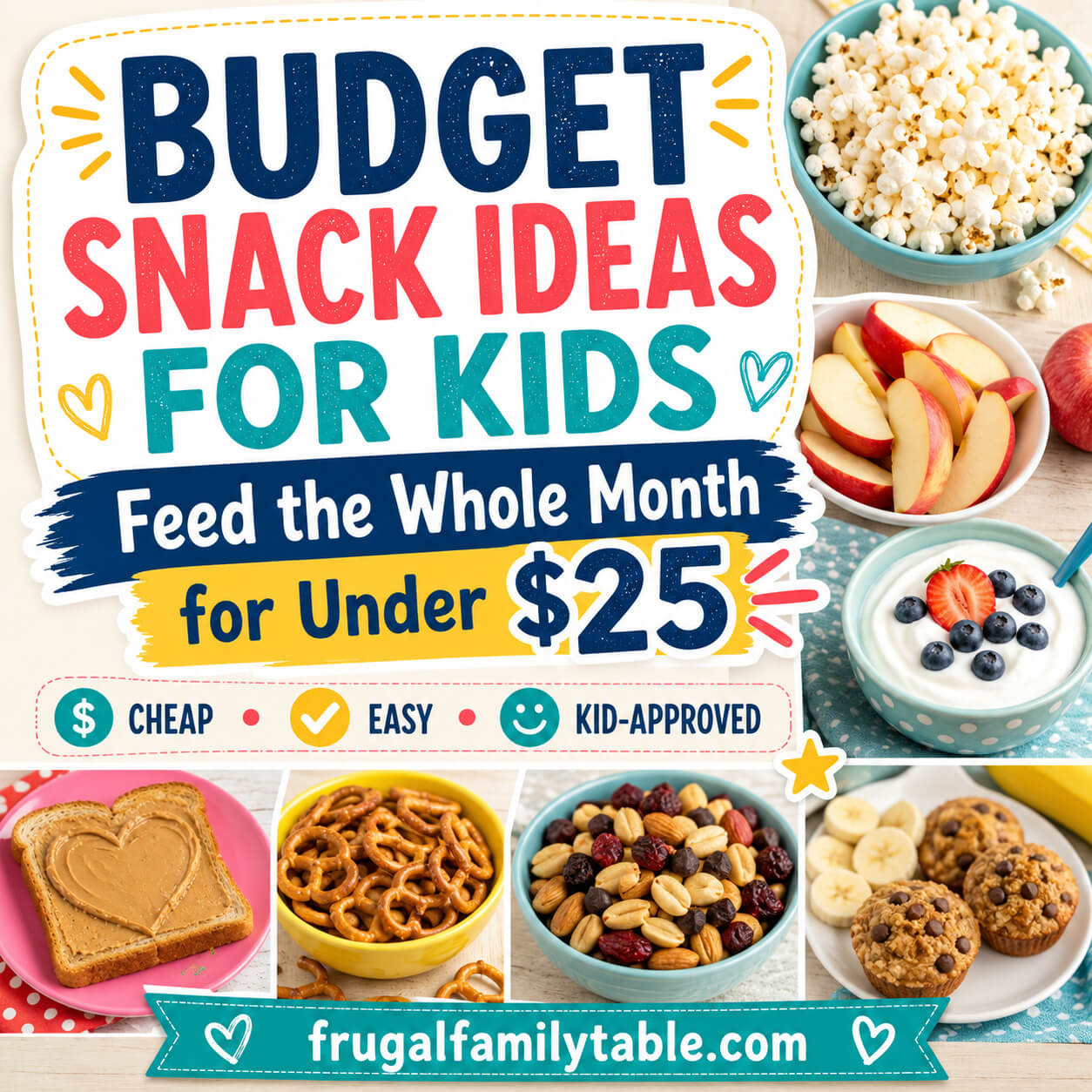
Budget Snack Ideas for Kids: Feed the Whole Month for Under $25
Kids are hungry, like, always hungry. You finish cleaning up from lunch, and someone is already standing in the kitchen asking what there is to eat.
It’s 3:47 in the afternoon. Dinner is in two hours. And yet.
The part that sneaks up on you isn’t the hunger; it’s the snack budget. You weren’t trying to spend $50 on snacks this month.
You just kept grabbing things: Goldfish, granola bars, fruit snacks on sale, those little cheese cracker packs.
None of it feels like a big decision at the time. Then you look at the total and wonder where your money went.
You don’t need $40 or $60 a month just to keep kids fed between meals. With a short shopping list and some basic prep, a full month of kid snacks costs under $25.
Here’s the list, the math, and the plan.
What “Under $25 for the Month” Actually Means
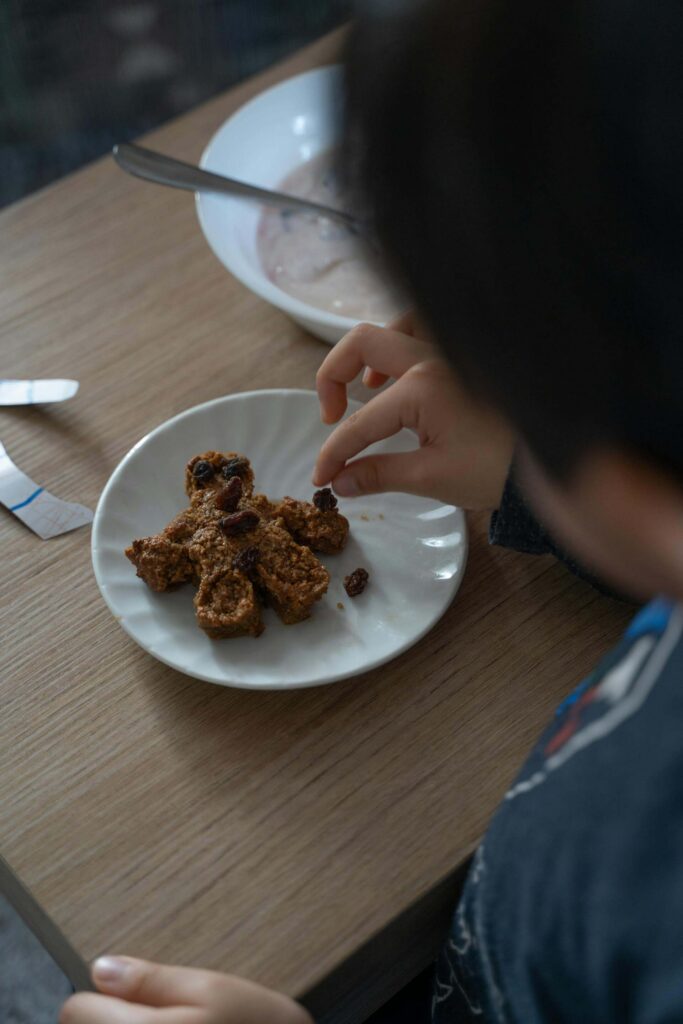
The “$25 for a month of snacks” thing sounds impossible at first.
Here’s what it actually requires.
The plan assumes:
- One snack per child per day (some days two, if a snack is small or the kid is going through a growth spurt, which the portions account for)
- Bulk and store-brand ingredients wherever possible
- Mostly homemade or semi-homemade snacks, not packaged single-serve snack packs
- Reasonable portion sizes for kids ages 3–10
- Shopping at budget-friendly stores like Walmart, Aldi, or a standard grocery store with store brands
What it doesn’t assume:
- That every snack will be Instagram-worthy
- That your kids won’t complain about anything (good luck with that, but variety helps)
- Zero food waste, the plan accounts for some waste by building in extra servings on most items
For one child, $25/month is very doable.
For two or three kids, you’ll spend more (closer to $40–55), but the per-child cost stays roughly the same because you’re buying the same staple ingredients in slightly larger quantities.
More on that later.
The $25 Budget Snack Shopping List
Prices below are based on Walmart, Aldi, and similar budget stores.
Your area may vary, but these are in the right ballpark for most of the country.
| Ingredient | Estimated Price | Servings (kid-size) | Cost Per Serving |
|---|---|---|---|
| Rolled oats, 42 oz container | $3.50 | ~28 (¼ cup dry per serving) | ~$0.13 |
| Peanut butter, 16 oz | $2.50 | ~20 (1 tbsp per serving) | ~$0.13 |
| Bananas, 3 lb bunch | $1.50 | ~8–9 bananas | ~$0.17 |
| Apples, 3 lb bag | $3.00 | ~8–10 apples | ~$0.30–0.38 |
| Baby carrots, 1 lb bag | $1.25 | ~8 servings | ~$0.16 |
| Eggs, 1 dozen | $4.00 | 12 hard-boiled eggs | ~$0.33 |
| Saltine crackers, 1 lb box | $1.75 | ~15 servings (8–10 crackers) | ~$0.12 |
| Store-brand cream cheese, 8 oz | $2.00 | ~12 servings (1 tbsp) | ~$0.17 |
| Honey, small jar (12 oz) | $3.00 | ~30+ servings (½ tsp drizzle) | ~$0.10 |
| Cheddar cheese block, 8 oz | $2.50 | ~12–15 servings (¾ oz slice) | ~$0.17–0.21 |
| Celery, 1 bunch | $1.25 | ~10 servings | ~$0.13 |
| Popcorn kernels, 2 lb bag | $2.00 | ~20+ servings (2 cups popped) | ~$0.10 |
| Total | ~$28.25 |
A note on that $28.25: eggs are the wildcard right now, prices have been all over the place, anywhere from $3.50 to $6+ a dozen depending on where you live and when you shop.
If eggs are expensive at your store this week, skip them, and you’re back under $25. Or buy a half dozen (~$2.00) just to have a few for snacks.
The list is flexible.
Consider $25 a target, not a strict ceiling that falls apart if crackers are $1.90 this week.
You won’t use every item every day. The oats alone will last you past the month. The honey will probably last two or three months.
Several items here are restocking items, not single-use purchases, which is part of why the math works.
How Many Snacks Each Item Makes
This matters; you need to know whether your ingredients can actually stretch 30 days.
Rolled oats (42 oz): Makes approximately 28 servings of basic oatmeal or no-bake oat balls. At roughly one oat-based snack every other day, this container covers the entire month with leftovers.
Peanut butter (16 oz): About 20 tablespoon-size servings for dipping or spreading. Pairs with apples, bananas, celery, or crackers, so one jar stretches across a lot of different snack days.
Bananas (3 lb bunch): Usually 8–9 bananas. Buy one bunch early in the month and another mid-month if needed (adding ~$1.50). Bananas that are getting too ripe are perfect for mashing into oat balls or freezing for a later week.
Apples (3 lb bag): About 8–10 apples, depending on size. Slice them thin, and kids eat more of each apple, which stretches the bag. A single apple can serve two younger kids.
Baby carrots (1 lb): About 8 snack-size servings. For picky eaters who won’t touch plain carrots, pairing them with peanut butter or cream cheese usually helps.
Eggs (1 dozen): 12 hard-boiled eggs. One egg is a filling snack for most kids. At one egg every 2–3 days, a dozen covers 3–4 weeks. Egg prices have been higher than usual lately, so check your store before assuming the price. Aldi tends to have the best deals, and some weeks you’ll find them on sale at a regular grocery store too.
Saltines (1 lb box): About 15 servings of 8–10 crackers. This is one of the best value items on the list, versatile, filling enough, and kids generally like them.
Cream cheese (8 oz): About 12 tablespoon-size servings. Works on crackers, celery, and apple slices. Keep the container sealed between uses, and it lasts 2–3 weeks in the fridge after opening.
Cheddar cheese (8 oz block): 12–15 servings at ¾ oz per slice. Cut it yourself — pre-sliced is always more expensive. A block you slice yourself will last longer and go farther.
Celery (1 bunch): About 10 servings of 2–3 stalks. Classic “ants on a log” (peanut butter and raisins) is a legitimate kid-pleaser, and celery keeps well in the fridge for 2+ weeks if stored in water.
Popcorn kernels (2 lb bag): Probably 20+ servings of 2 cups popped. Stovetop or air-popped popcorn is one of the cheapest, most filling snacks you can make. Add a tiny bit of butter or salt, and most kids are happy.
4-Week Snack Rotation Plan
This rotation covers 28 days.
Use it as a loose guide, not a rigid schedule, swap days based on what you have, what’s about to go bad, and what your kids will actually eat this week.
Week 1
| Day | Snack | Notes |
|---|---|---|
| Monday | Apple slices + peanut butter | Slice ½ apple per small child, 1 apple per older kid |
| Tuesday | Hard-boiled egg + a few saltines | Peel and salt the egg, crackers on the side |
| Wednesday | Celery sticks + cream cheese | “Ants on a log”, if you have raisins |
| Thursday | Popcorn | Plain or lightly salted |
| Friday | Banana + peanut butter drizzle | Slice the banana, add a thin swipe of PB |
| Saturday | Cheese and crackers | Cut 3–4 thin slices of cheddar, 8–10 saltines |
| Sunday | No-bake oat balls | Prep a batch on Sunday, snack on them all week |
Week 2
| Day | Snack | Notes |
|---|---|---|
| Monday | Carrot sticks + peanut butter | Cut into coins for toddlers |
| Tuesday | Apple slices + cream cheese spread | Sounds unusual, kids often love it |
| Wednesday | Hard-boiled egg | Plain or with a tiny pinch of salt and pepper |
| Thursday | No-bake oat balls (leftover from Sunday) | |
| Friday | Cheese and crackers | |
| Saturday | Popcorn | Add cinnamon and a drizzle of honey for a “treat” version |
| Sunday | Banana oatmeal cups | Baked ahead, eaten cold or room temp |
Week 3
| Day | Snack | Notes |
|---|---|---|
| Monday | Celery + peanut butter | |
| Tuesday | Saltines + cream cheese | Top with a thin apple slice if you have one |
| Wednesday | Hard-boiled egg | |
| Thursday | Carrot sticks + cream cheese dip | |
| Friday | Apple + cheddar slices | This combo is surprisingly satisfying |
| Saturday | Popcorn | |
| Sunday | No-bake oat balls (fresh batch) |
Week 4
| Day | Snack | Notes |
|---|---|---|
| Monday | Banana + saltines | Simple and filling |
| Tuesday | Hard-boiled egg + carrot sticks | |
| Wednesday | Cheese and crackers | |
| Thursday | Celery + peanut butter | |
| Friday | Remaining apples + peanut butter | Use up the last apples before they go soft |
| Saturday | Popcorn | |
| Sunday | No-bake oat balls | Use up any remaining oats |
Simple Snack Prep Instructions
No-Bake Oat Balls
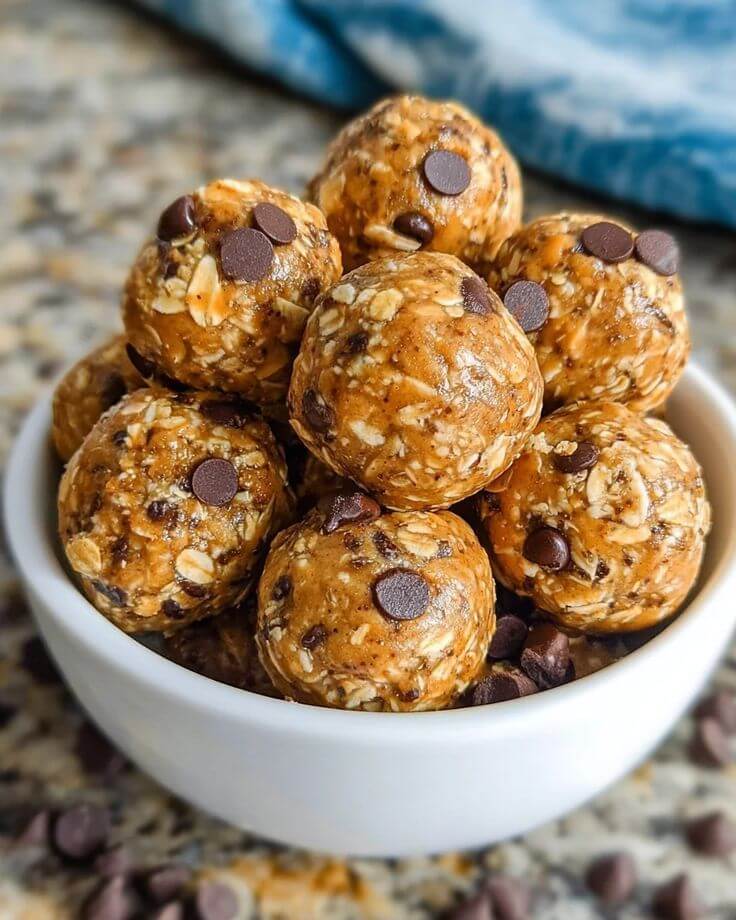
What you need: 1 cup rolled oats, 3 tbsp peanut butter, 1 tbsp honey, optional: mini chocolate chips or raisins if you have them
How to make them: Mix everything in a bowl until it holds together. If it’s too dry, add a tiny drizzle more honey or a splash of water. Roll into tablespoon-size balls. Refrigerate 30 minutes before eating. Makes about 12–15 balls.
Why kids like them: They taste like a treat. They aren’t a treat in the sense of being junky, but they feel like one, which is the whole game.
Banana Oatmeal Cups
What you need: 2 ripe bananas, 1½ cups oats, 2 eggs, and an optional pinch of cinnamon
How to make them: Mash bananas. Mix in oats, eggs, and cinnamon. Spoon into a greased muffin tin. Bake at 350°F for 12–15 minutes until set. Makes about 10–12 small cups.
Why they work: No sugar needed. Freezes well. Kids can grab one cold, and it’s still good.
Hard-Boiled Eggs (Batch)
Fill a pot with cold water, add eggs, bring to a boil, then turn off the heat and cover for 10–12 minutes.
Move to an ice bath or cold water. Peel and refrigerate in a covered container. Do a full dozen at once on Sunday.
Popcorn on the Stove
Add a thin layer of kernels to a heavy pot with a lid, plus a teaspoon of oil. Heat on medium-high. Shake the pot every 30 seconds or so once it starts popping.
When the pops slow to a few seconds between pops, it’s done. Season immediately. Takes about 5 minutes total.
Cheese and Crackers (No-Cook)
Slice the cheddar block yourself into roughly ¾-inch slices, then cut into halves or quarters for smaller pieces. Count out 8–10 crackers.
Done.
Storage Tips
Oat balls: Airtight container in the fridge, up to 1 week. Freeze them for up to 2 months — just pull a few out the night before.
Banana oatmeal cups: Fridge up to 4 days, freezer up to 2 months. Freeze in a zip-lock bag with a piece of parchment between layers.
Hard-boiled eggs: Fridge in a covered container, up to 1 week if unpeeled. Peeled eggs last 5 days max, so peel as you go rather than all at once.
Celery: Store cut celery in a container of cold water in the fridge. It stays crisp for 1–2 weeks this way instead of going limp in a bag.
Cheese block: Wrap tightly in plastic wrap or foil after each use. Keep on a lower shelf, not in the door (too much temperature fluctuation).
Apples: Room temperature if eating within a few days. Fridge, if you need them to last the week. Once sliced, toss in a tiny bit of lemon juice (or even a bit of plain water) to slow browning.
Popcorn: Make it fresh. It doesn’t store well and only takes 5 minutes anyway.
Substitutions
If peanut butter isn’t an option (allergies, school restrictions): sunflower seed butter works almost the same in every recipe and costs about the same. Cream cheese is a decent swap for dipping too.
If bananas aren’t happening: Frozen banana slices from a previous week can sub in for fresh. Or skip bananas entirely and double up on apples — the budget stays about the same.
If your kids won’t touch celery: Skip it. Use extra carrot sticks instead. Same price range, similar crunch factor.
If eggs are more expensive in your area: Skip the eggs this month and redirect that $2 to an extra bunch of bananas or another bag of carrots. The plan doesn’t fall apart without eggs.
If you can’t find popcorn kernels at a good price: Bulk plain rice cakes (usually $2–3 at Walmart or Aldi) can replace popcorn as the crunchy, neutral snack in the rotation.
If cream cheese is too expensive: A small tub of plain Greek yogurt (~$1.50 for store brand) can replace it as a dip for carrots and apple slices.
Stretching These Snacks for Multiple Kids
One child eats roughly one full serving per day. For two or three kids, here’s roughly what to expect:
Two kids: Budget around $40–45/month. Buy larger quantities of oats (the 42 oz already works, maybe two peanut butter jars), double the produce, and get 18 eggs instead of 12.
Three kids: Budget around $55–60/month. Same approach, scale up the bulk staples, add a second batch of oat balls per week, and buy a larger cheese block (16 oz block instead of 8 oz, usually only $1–2 more).
A few tricks that help:
- Serve snacks on a plate with everything pre-portioned. Kids eat what’s in front of them rather than grazing from a bag, which controls waste.
- Pair a filling item (oat ball, egg, cheese) with something lighter (carrot sticks, apple slices). Kids feel satisfied, but you’ve used less of the pricier ingredient.
- Let older kids serve themselves from a pre-made batch. Having oat balls or banana cups already made means kids can grab something without coming to you, and portion sizes stay reasonable.
Where to Shop to Make These Prices Work
Aldi is probably the best single store for this list. Their produce prices, dairy, and store-brand staples are consistently lower than those of national grocery chains. Oats, peanut butter, cheese, and eggs are all solid values there.
Walmart (store brand / Great Value): Very competitive on eggs, peanut butter, saltines, and popcorn kernels. The produce varies by location, but apples and bananas are usually reliable.
Dollar Tree / Dollar General: Good for saltines and crackers. Dollar Tree items mostly run $1.25–$1.50 now (prices have crept up), but it’s still worth a walk-through before your main grocery run. Peanut butter and honey show up there occasionally, too.
Costco / Sam’s Club: Only worth it if you’re shopping for multiple kids and will actually use large quantities before expiration. Oats in a 10 lb bag, a large container of peanut butter, or a big block of cheddar cheese can all drop the per-serving price considerably. Not worth it for a single-child household unless you split with someone.
Regular grocery stores: Use store brands exclusively on this list. The difference between Great Value saltines and Nabisco Premium is about $0.80 per box, with zero difference in a kid’s snack context. Same with oats, the Quaker name on the canister adds ~$1.50 to the price for identical oats.
Making Snacks Feel Fun Without Spending More
A lot of times, kids reject a snack not because of how it tastes but because of how it looks.
Some easy tricks:
Shapes matter. Cut apple slices into triangles, cut sandwiches or cheese into small shapes with a cookie cutter (a cheap one from a dollar store works fine). Same food, way more appealing to a 4-year-old.
Let them dip. Peanut butter as a dip for banana slices, cream cheese as a spread for crackers, even a tiny bit of honey on the side of an oat ball — the act of dipping makes the same food feel interactive and more interesting.
“Snack boards.” Put a few carrot sticks, 2 cheese cubes, a few crackers, and some apple slices on a small cutting board or a plate with sections. It’s the same food that would have been ignored in a bowl. Somehow, this works on kids more often than it has any right to.
Rename things. “Ant logs” (celery + PB + raisins), “moon balls” (oat balls), “power crackers” (cheese on saltines). This is extremely stupid and also extremely effective.
“Freezer snacks” in summer. Mash a banana with a tablespoon of peanut butter, spread it in an ice cube tray, and freeze for a few hours. Tastes like dessert, costs maybe $0.25 per serving, and kids go absolutely wild for cold snacks on hot days.
Why Are Kids’ Snacks More Expensive
Buying individual-serve packaging. A box of 6 individual Goldfish pouches costs about the same as a full bag of Goldfish that gives you five times as many servings. You’re paying for the packaging.
Buying snacks without a plan. If you don’t have a snack rotation, you default to whatever’s easy and appealing in the store, which is usually the expensive stuff.
Letting produce go bad. A bag of apples that goes soft in the drawer wasted $3. Keep produce visible in the fridge (eye-level) or use the “first in, first out” rule — oldest items in front.
Relying on packaged snack packs as a default. They’re convenient, but the cost per serving is often 3–5x higher than making the equivalent at home. A single-serve pack of trail mix at $1.29 contains what would cost you about $0.25 to assemble yourself.
Not prepping ahead. When there’s nothing ready, the easiest grab is usually the most expensive one. One hour on Sunday, making oat balls, banana cups, and hard-boiling a dozen eggs, sets you up for a whole week of ready-to-grab snacks.
Over-buying “healthy” branded snacks. Organic fruit leather, protein bars, pouches with fancy labels — they’re aggressively marketed at parents and priced accordingly. Real fruit is cheaper than fruit leather made from fruit.
FAQ
Can you really feed kids snacks for a month under $25? For one child, yes — mostly. The shopping list lands around $28 with eggs at current prices, but eggs are the flexible item: skip them or buy a half dozen and you’re right at $25. Either way, several items on the list (oats, honey, popcorn kernels) last well past 30 days, so month two will cost even less. It works because you’re buying ingredients instead of pre-assembled convenience products. It’s not a deprivation plan. It just requires having a list and using it.
What are the cheapest healthy snacks for kids? The cheapest options per serving, based on this list: stovetop popcorn ($0.10), rolled oats in any form ($0.13), baby carrots ($0.16), bananas ($0.17), and hard-boiled eggs ($0.33 now that egg prices are up). Every one of those has real nutritional value — fiber, protein, vitamins — and costs less per serving than almost anything in the packaged snack aisle.
How do I keep snacks from running out too fast? Portion them out. Don’t put a bag of crackers on the table and walk away — count out a serving on a plate. Pre-making snacks (oat balls in the fridge, cups in the freezer) also helps because kids can only grab what’s already made, not keep dipping into bulk ingredients. And if you notice certain items disappearing too fast, pair them with something more filling: crackers alone disappear fast, but crackers with cheese or cream cheese are actually satisfying.
What snacks work best for school lunches? The ones that travel well and don’t need refrigeration are: oat balls (fine for a few hours in a lunch box with an ice pack), apple slices (add a tiny bit of lemon juice to prevent browning), a banana, saltines with a small container of peanut butter for dipping, or a cheese cube with crackers. Hard-boiled eggs work in a lunch box too — peel them at home and wrap loosely.
Keep it simple. School lunches don’t need to be elaborate. A fruit, a small portion of something crunchy, and something with protein covers what most kids need for a mid-day snack.
How can I do this for more than one child? Scale up the quantities rather than the variety. If you have two kids, buy two peanut butter jars, two bunches of bananas, a 2 lb bag of baby carrots, and 18 eggs. The staples (oats, saltines, popcorn kernels) are already in sizes that cover multiple kids without doubling up.
Add about $18–20 per additional child per month. You’re buying more of the same things, not a whole new set of ingredients — which keeps the per-kid cost lower than you’d expect. By the third kid, you’ll actually spend a bit less per child because you’re buying bigger quantities.
The prep stays almost the same — making a double batch of oat balls takes maybe 5 extra minutes and covers two kids for the week instead of one.
One More Thing
The goal isn’t the most boring diet imaginable.
It’s stopping the slow budget leak that comes from snacking without a plan. A handful of staple ingredients, some Sunday prep, and a loose weekly rotation get you through the month without impulse-buying anything — and without kids going hungry at 4 PM.
$25 isn’t a magic number. Some months you’ll land at $22. Some you’ll need $30 because apples jumped in price, and your kids are eating like they’re training for something.
That’s fine. What matters is you’re working from a list instead of grabbing whatever looks convenient.
Start with the shopping list. Make one batch of oat balls this week.
Hard-boil the eggs on Sunday. See how it goes, swap out whatever your kids actually won’t eat, and adjust from there.
Prices reflect typical U.S. grocery prices at Walmart, Aldi, and similar budget retailers. Egg prices in particular have been volatile since 2024–2026 due to supply issues — check current prices at your store and adjust accordingly. All other prices vary by region and store.
